When I first walked through my 1920s Tudor revival home, the original Carrara marble floors in the entry hall and dining room took my breath away, despite decades of neglect. Underneath layers of old wax, scratches from furniture moves, and etching from acidic spills, I could see glimpses of the luminous stone that had once graced this elegant space. The realtor dismissed them as “high maintenance” and suggested I budget for replacement, but something about the depth of color and natural veining convinced me these floors deserved a second chance. Three years and one major restoration later, they’ve become the crown jewel of my home and taught me more about patience, craftsmanship, and the irreplaceable value of authentic materials than any other renovation project.
The assessment phase revealed both the promise and challenges of working with 100-year-old marble. A professional stone restoration contractor helped me understand that my floors were genuine Carrara marble, quarried in Italy, and installed using traditional methods that are rarely seen today. The 12×12-inch tiles were set in thick mortar beds with minimal grout lines, creating an almost seamless appearance. However, decades of improper cleaning with acidic products had caused significant etching, particularly in high-traffic areas. The good news was that the marble itself remained structurally sound, with no cracking or loose tiles that would have made restoration impossible.
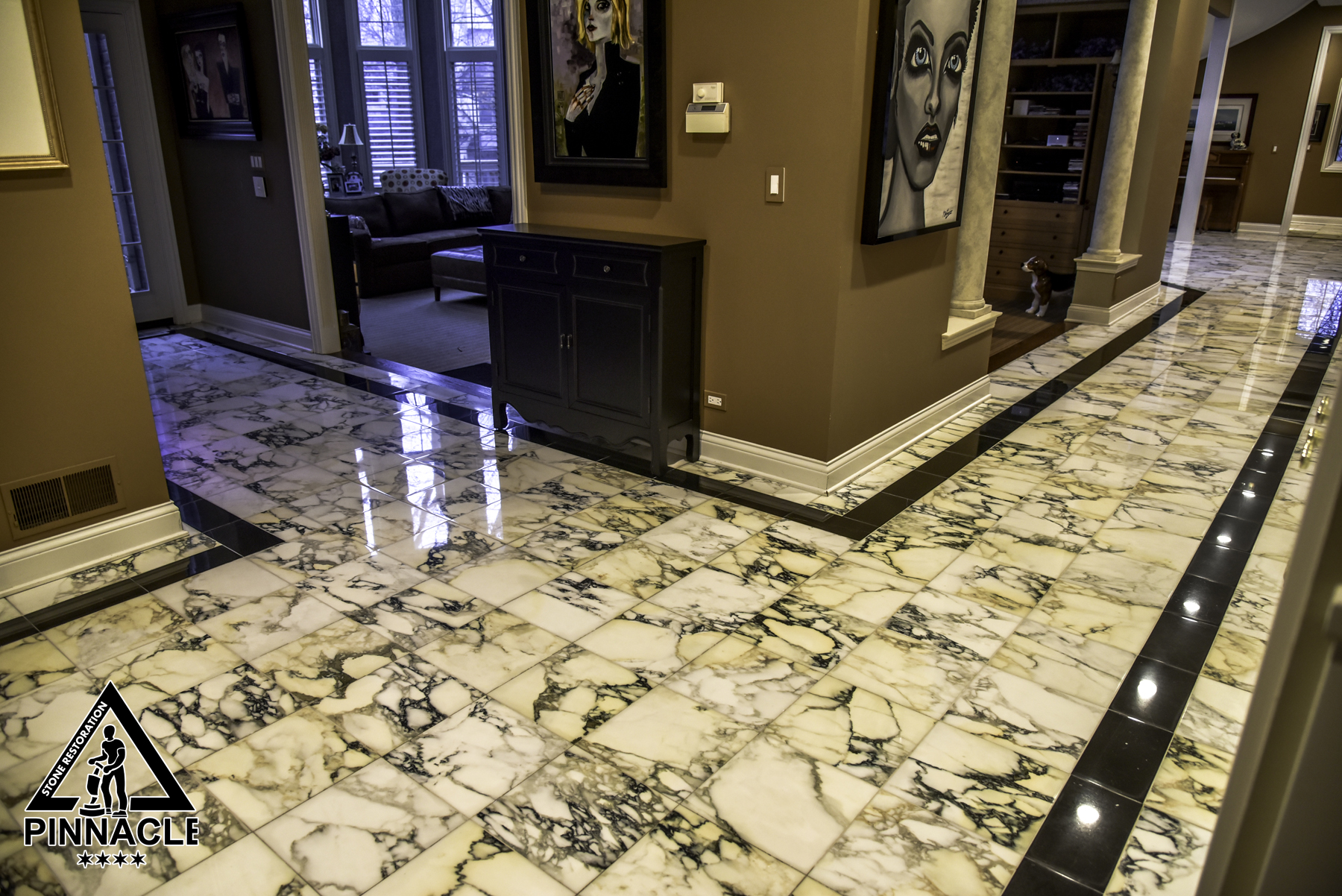
Professional restoration began with aggressive diamond grinding to remove the damaged surface layer and reveal fresh marble underneath. Watching skilled craftsmen work with industrial equipment in my dining room felt surreal, clouds of marble dust requiring careful containment while they methodically removed decades of damage. The process started with coarse diamond pads to address deep scratches and etching, progressing through increasingly fine grits until the surface became mirror-smooth. This mechanical restoration took three days and transformed dull, damaged marble into stone that looked like it had just been quarried.
The polishing phase revealed why vintage marble develops such extraordinary beauty over time. Unlike modern marble processing that can be rushed, the traditional finishing methods used on my floors created depth and clarity that contemporary techniques struggle to match. The restoration team used progressively finer polishing compounds, each step bringing out more of the stone’s natural luminosity. By the final polishing stage, the marble reflected light like still water, with veining patterns that seemed to glow from within the stone itself.

Sealing decisions required balancing protection with authenticity, since modern sealers can alter the appearance and feel of vintage marble. I chose an impregnating sealer that penetrates the stone without creating a surface film, preserving the natural texture while providing reasonable stain protection. The contractor explained that vintage marble was originally installed without sealers, relying instead on proper maintenance and careful use. My compromise approach provides modern protection while maintaining the authentic feel and appearance that makes these floors so special.
The first month after restoration required completely relearning how to live with marble floors. I had to replace all my cleaning products with pH-neutral stone-safe alternatives and establish new habits around spill cleanup. Acidic substances like wine, citrus, or vinegar can etch marble within minutes, so immediate attention became crucial. I invested in specialized marble cleaners and learned proper maintenance techniques from the restoration professionals, understanding that ongoing care was essential to preserve my investment in the restoration process.

Daily maintenance settled into a surprisingly simple routine once I understood marble’s specific needs. Dust mopping removes abrasive particles that can gradually dull the surface, while weekly damp mopping with stone cleaner maintains the finish. The key insight was learning to work with marble’s natural properties rather than fighting them. Accepting that some patina and minor etching adds character helped me appreciate the living nature of this material, where each mark tells part of the home’s ongoing story.
The aesthetic impact exceeded my wildest expectations once the restoration revealed the marble’s full beauty. The soft gray and white veining creates subtle patterns that change throughout the day as natural light shifts across the surface. The luminous quality of properly polished Carrara marble brings elegance to every space it touches, making even simple furniture arrangements look deliberately sophisticated. Guests consistently comment on the floors, often surprised to learn they’re original to the house rather than recent installations.
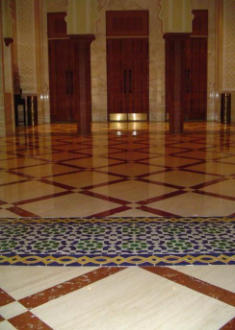
Seasonal changes revealed another dimension of living with vintage marble floors. Summer humidity can cause slight expansion, while winter dryness leads to minor contraction that occasionally creates tiny gaps at seams. These natural movements are normal and don’t affect the floor’s integrity, but they taught me to appreciate marble as a living material that responds to environmental conditions. The thermal mass also helps moderate indoor temperatures, staying cool in summer and retaining warmth from radiant heat sources during winter months.
After three years of living with restored vintage marble floors, I’m convinced they represent one of the best investments I’ve ever made in my home. The combination of timeless beauty, superior craftsmanship, and genuine materials creates a foundation for interior design that no modern alternative can match. While the restoration cost was significant and ongoing maintenance requires attention, the daily pleasure of walking on these beautiful floors and the admiration of every visitor makes every penny worthwhile. These floors connect my home to decades of history while providing a sophisticated backdrop for contemporary living that will remain beautiful for generations to come.

How much should I expect to invest in professional vintage marble floor restoration?
My 400 square foot restoration cost $3,200, averaging $8 per square foot for grinding, polishing, and sealing. Costs vary significantly based on damage severity, marble type, and regional pricing. Heavily etched floors require more aggressive grinding, increasing costs. Simple cleaning and repolishing might cost $4-6 per square foot, while floors needing repair work can reach $12-15 per square foot. Factor in furniture moving, dust containment, and temporary displacement costs. The investment typically adds significant value to period homes with original details.
Are vintage marble floors practical for modern family living, or just show pieces?
With proper care, vintage marble handles daily family life well. My floors withstand normal foot traffic, furniture, and careful use without issues. The key is establishing appropriate routines: immediate spill cleanup, pH-neutral cleaning products, and protective mats in high-risk areas. Children and pets adapt quickly to the “no shoes, clean up spills” rules. The durability that allowed these floors to survive 100+ years continues serving modern families, though they require more attention than contemporary flooring options.

How do I know if damaged vintage marble can be restored or needs replacement?
Structural integrity matters most, cracked, loose, or missing tiles often indicate substrate problems requiring replacement. Surface damage like etching, scratches, and stains can usually be addressed through professional restoration. I had extensive etching and dulling that disappeared completely after grinding and polishing. Water damage, lippage (uneven tiles), or significant substrate movement may make restoration impractical. A stone restoration professional can assess whether your specific situation is suitable for restoration versus replacement.
What’s the most challenging aspect of maintaining vintage marble floors long-term?
Preventing acid etching requires constant vigilance since common household items can damage marble instantly. I learned this the hard way when lemon juice etched my freshly restored floor. Establishing family habits around spill cleanup and using appropriate cleaning products takes time and effort. The payoff is maintaining the beautiful finish, but it requires lifestyle adjustments. Regular resealing every 2-3 years and professional maintenance every 5-10 years are also ongoing commitments that add to ownership costs.

How does the quality of vintage marble compare to modern marble flooring?
Vintage marble is often superior in quality, thickness, and selection standards compared to modern alternatives. My 1920s Carrara marble is thicker, denser, and shows better veining than contemporary tiles I’ve seen. Historical quarrying methods and selection criteria emphasized quality over quantity. Installation techniques using thick mortar beds create more stable, longer-lasting floors. However, modern marble offers advantages like improved consistency, better sizing accuracy, and contemporary finishing options that some prefer.
Can vintage marble floors work with radiant heating systems?
Marble’s thermal mass makes it excellent for radiant heat, though installation requires careful planning. The thick mortar beds in vintage installations can accommodate radiant systems, but professional assessment is essential. I considered radiant heat during restoration but chose against it due to installation complexity with existing floors. The marble naturally moderates temperature and doesn’t feel as cold as expected. If installing radiant heat, ensure compatibility with marble’s expansion characteristics and use appropriate installation methods to prevent cracking.
Related Posts: