When I first considered bamboo flooring for my outdoor patio, I was drawn to its eco-friendly credentials and distinctive appearance. I discovered that not all bamboo is created equal for exterior use, with strand-woven varieties offering the necessary durability. The installation process required careful planning to ensure proper drainage and ventilation beneath the planks. I chose a composite bamboo product specifically engineered for outdoor conditions, combining bamboo fibers with weather-resistant polymers. After two seasons of use, the deck has maintained its structural integrity and warm, natural appearance despite heavy foot traffic and variable weather conditions.
Selecting the right type of outdoor bamboo involved understanding material science and climate considerations. I learned that traditional interior bamboo quickly fails outdoors due to moisture absorption and UV damage. The carbonized strand-woven bamboo I selected undergoes intense pressure treatment that creates exceptional density and water resistance. I made sure the product carried certifications for outdoor use, including UV stabilization and mold resistance. The grooved edges allowed for proper spacing between planks to accommodate expansion during humid months. Seeing the first section installed confirmed I’d chosen a material that blended sustainability with practical performance.

Installation required specific techniques different from traditional wood decking. I started with a perfectly level and sloped substructure to ensure water runoff. The hidden clip system created consistent gaps between planks while allowing for thermal expansion. We used stainless steel fasteners throughout to prevent corrosion and staining. The installers took extra care to seal cut ends with specialized waterproofing tape. Watching the pattern emerge across my patio felt rewarding, especially knowing the material came from a rapidly renewable resource rather than old-growth forests.
Living with outdoor bamboo flooring has taught me about its unique characteristics and maintenance needs. The surface stays surprisingly cool underfoot compared to composite materials, making it comfortable for barefoot summer use. I’ve noticed minimal fading despite direct sunlight exposure, thanks to the UV-resistant coating. The textured finish provides excellent slip resistance even when wet, an important safety feature around my pool area. During heavy rains, water beads up and drains quickly without pooling on the surface. These performance aspects have made the bamboo deck one of the most used areas of my outdoor space.
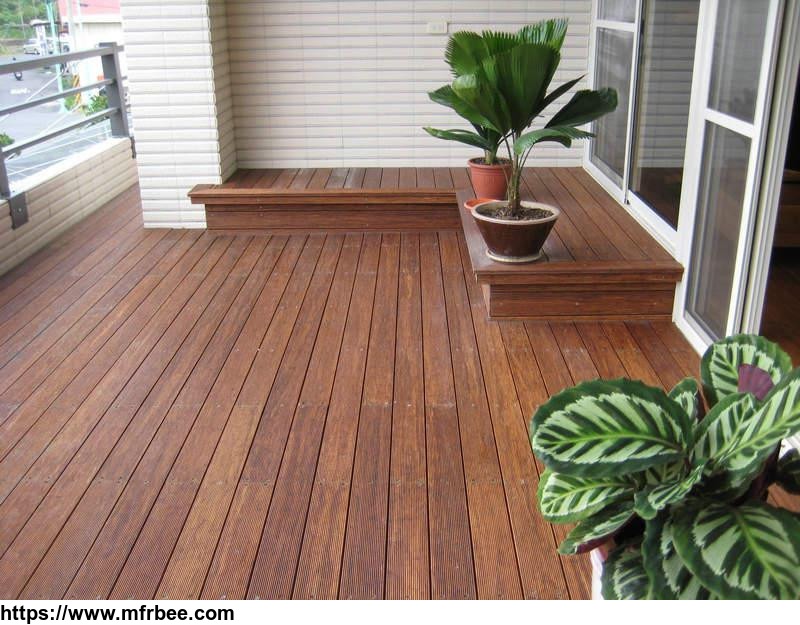
Seasonal changes have tested the bamboo’s durability across different weather conditions. The planks expanded slightly during humid summer months but returned to their original spacing in drier fall weather. Winter freeze-thaw cycles haven’t caused any cracking or splitting, which I’d experienced with previous wood decks. Spring pollen and debris clean off easily with a garden hose rather than requiring intense scrubbing. The color has developed a pleasant silvery patina in high-traffic areas while maintaining its original hue in protected spots. These subtle changes add character without compromising functionality.
Maintenance has proven simpler than with traditional wood decking I’ve owned. Weekly sweeping with a stiff broom removes dirt from the textured surface. I use a mild soap solution and soft brush for deeper cleaning every few months. The lack of required sealing or staining saves considerable time and expense compared to wood maintenance. I inspect the surface annually for any needed repairs, though none have been necessary so far. The non-porous surface resists stains from food spills or fallen leaves, making cleanup remarkably straightforward.

Cost considerations balanced out favorably when comparing bamboo to other premium decking materials. While initial costs were higher than pressure-treated lumber, they compared favorably to composite and tropical hardwood options. The installation expenses were similar to other custom decking systems. I appreciated that no additional sealing or finishing was required after installation. When factoring in reduced maintenance costs and longer lifespan, the bamboo deck offered excellent value. The environmental benefits provided additional satisfaction beyond pure financial calculations.
Design flexibility allowed me to create unique patterns that would have been difficult with other materials. The uniform plank sizes enabled a clean, modern layout that complements my home’s architecture. I incorporated diagonal patterns in seating areas to define spaces visually. The natural grain variations create interesting visual texture without appearing busy. The warm honey color provides a neutral backdrop that works with various furniture styles and plantings. These aesthetic advantages have made the deck as visually appealing as it is functional.

Environmental benefits added significant value to my choice of outdoor bamboo. Knowing the material came from rapidly renewable sources (bamboo matures in 3-5 years versus decades for trees) aligned with my sustainability goals. The manufacturing process used fewer chemicals than treated lumber and composite materials. At the end of its lifespan, the material can be recycled rather than ending up in landfills. These ecological considerations provided peace of mind that enhanced my enjoyment of the outdoor space.
After three years with my outdoor bamboo flooring, I’m more convinced than ever of its merits. The surface has withstood children playing, frequent entertaining, and harsh weather without showing significant wear. The maintenance routine remains simple and infrequent compared to friends’ wood decks requiring annual staining. The material has developed a beautiful patina that makes it look established rather than worn. For homeowners seeking sustainable, durable outdoor flooring, properly engineered bamboo offers an ideal combination of beauty, performance, and environmental responsibility.

How does outdoor bamboo handle extreme weather conditions?
Quality outdoor bamboo withstands various climates when properly installed. My deck has endured freezing winters, hot summers, and heavy rainfall without warping or deterioration. The key lies in choosing products specifically engineered for exterior use with UV stabilizers and water-resistant coatings. Proper installation with adequate drainage and expansion gaps prevents moisture damage. In extreme climates, consider composite bamboo products with additional weatherproofing for maximum durability.
Can outdoor bamboo flooring be used around pools?
Yes, outdoor bamboo works well in pool areas when selected carefully. I chose a product with a textured, slip-resistant surface that provides traction when wet. The material’s natural resistance to water damage prevents rotting or splintering near pool edges. Ensure proper sealing around the pool perimeter and regular cleaning to prevent chemical buildup. The cool surface feels comfortable on bare feet during hot summer days.

How does outdoor bamboo compare to composite decking?
Outdoor bamboo offers similar durability to composite materials with greater environmental benefits. My bamboo deck has comparable resistance to moisture, insects, and UV damage as composite options. Bamboo typically costs slightly less than premium composites while providing a more natural appearance. Both materials require minimal maintenance, though bamboo may develop more character over time. Consider your priorities regarding sustainability versus uniform appearance when choosing between them.
What maintenance does outdoor bamboo flooring require?
Regular sweeping removes debris that could trap moisture or cause scratches. I clean my deck quarterly with a mild detergent and soft brush, avoiding harsh chemicals that could damage the finish. The material doesn’t require sealing or staining like wood decks. Inspect annually for any needed repairs, though my deck has required none in three years. Immediate cleanup of food spills prevents potential staining.

Is outdoor bamboo flooring slippery when wet?
Textured outdoor bamboo provides good slip resistance, much better than smooth wood or composite surfaces. The manufacturing process creates a slightly rough surface that improves traction. I’ve found it safer than previous wood decks during rain or around my pool area. For extra slippery conditions, consider adding anti-slip coatings in high-risk areas. Proper installation with adequate drainage prevents water pooling that increases slip hazards.
How long does outdoor bamboo flooring typically last?
Quality outdoor bamboo lasts 15-25 years with proper installation and maintenance. My three-year-old deck shows minimal wear despite heavy use. Durability depends on climate, usage patterns, and product quality. UV-resistant coatings prevent color fading, while water-resistant treatments prevent rot and insect damage. Regular cleaning and occasional refinishing of worn areas can extend the lifespan significantly beyond typical wood decks.

Bamboo decking Bamboo flooring, Bamboo decking, Bamboo outdoor

China Outdoor Bamboo Flooring – China Bamboo Flooring, Bamboo Floor

Paving outdoor bamboo decking for house platform Bamboo decking, Bamboo flooring, Bamboo outdoor

China Engineered Outdoor Decking Flooring for Garden – China Balcony Waterproof Outdoor Floor

Related Posts: