When I first considered putting engineered hardwood flooring in my bathroom, I’ll admit I was hesitant. Bathrooms are naturally humid spaces, and that moisture can wreak havoc on traditional wood flooring. But after doing a good amount of research, I learned that engineered hardwood is designed to handle more moisture than solid wood. It’s built with multiple layers, which helps reduce warping and expansion. That made me feel more confident that it could be a stylish yet practical choice for this part of my home.
What really made engineered hardwood stand out to me was its appearance. I love the natural look of wood, and nothing else truly compares when it comes to warmth and elegance. Tile can feel cold, both underfoot and in terms of aesthetic. Vinyl can mimic wood, but it lacks the genuine grain and texture. Engineered hardwood gives me that beautiful wood finish I crave, and it brings a cozy, high-end look to a bathroom that’s hard to match with other materials.

One key thing I had to consider was proper installation. Engineered hardwood can be more forgiving with moisture, but that doesn’t mean it’s immune to damage. I made sure to hire someone experienced with installing this type of flooring in wet areas. They sealed all the seams and used the right underlayment to act as a moisture barrier. The installation method matters a lot, and floating floors aren’t always ideal in bathrooms. A glue-down or nail-down method gives more stability in a space like this.
I also made some adjustments to how I use the bathroom, just to protect the floor over time. I use bath mats near the shower and sink to catch splashes. When water does hit the floor, I wipe it up quickly instead of letting it sit. These small habits go a long way toward maintaining the wood’s condition. While engineered hardwood is more resistant to swelling, it’s not waterproof, so treating it with a bit of care is necessary.

One thing I appreciate about engineered hardwood is the variety. There are so many finishes, plank widths, and wood species to choose from. I went with a slightly distressed oak finish that hides dirt and wear well. It’s also easier to match with cabinetry and bathroom fixtures. That variety makes it easier to personalize the bathroom and ensure the floor blends seamlessly with the rest of the design.
I did a lot of reading about the different core types in engineered hardwood. Some have plywood cores, while others use high-density fiberboard. I chose a product with a plywood core, which tends to be more stable in high-moisture areas. It’s these kinds of details that really matter when you’re using this flooring in a bathroom. Not every engineered hardwood product is equally suitable, so checking the specs is essential before buying.
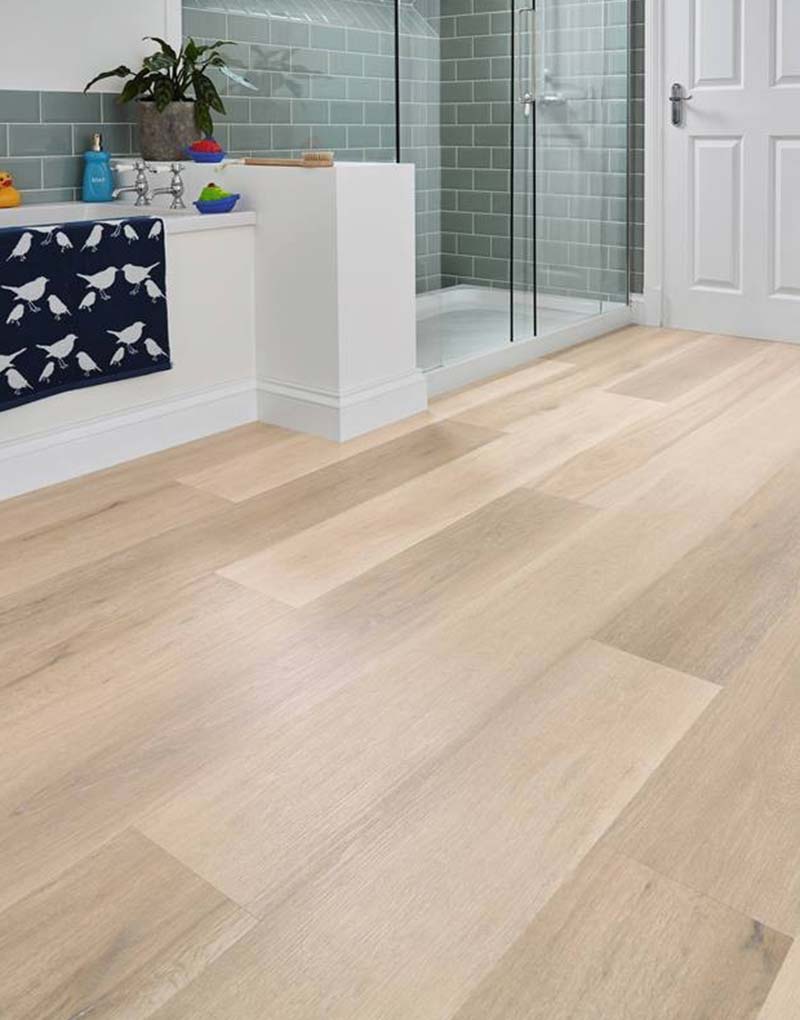
Another thing I had to factor in was the finish. Many engineered hardwood floors come prefinished with a protective top layer, usually a type of polyurethane. This finish helps resist water penetration and daily wear. I made sure to choose one with a high-quality finish that also had UV protection, so it wouldn’t discolor over time. That top layer is the first defense against moisture, so it’s worth choosing the best you can afford.
One question I often get from friends is how it holds up in the long run. So far, mine has been in place for over two years, and it still looks great. The key is consistent maintenance. I clean it with a damp, not wet, microfiber mop and use wood-safe cleaning products. I also avoid harsh chemicals or steam cleaners. It’s not a maintenance-free option, but for me, the look and feel make the extra care completely worthwhile.

I’ve heard people say engineered hardwood isn’t a good match for bathrooms, but I think that depends on how it’s used. If you’re dealing with a high-traffic bathroom used by kids or where water gets everywhere, it might not be ideal. But in a master bath or powder room, where usage is more controlled, it can work beautifully. It brings a natural charm to the space while still being reasonably durable if you take some precautions.
In the end, I’m happy with my decision. Engineered hardwood added a warmth and personality to my bathroom that other materials couldn’t. It feels good underfoot and gives the room a cozy, polished look. Yes, it takes some thought to install and maintain, but it’s worth it if you want something more visually appealing than tile or vinyl. For me, it was a way to bring continuity to my home’s style, and it’s been a decision I haven’t regretted.
Can engineered hardwood really handle bathroom moisture?
Yes, it can handle it better than solid wood thanks to its layered construction, but it’s not waterproof. I’ve found that with the right installation, including moisture barriers and sealants, and some basic precautions like using mats and quickly drying up spills, it can hold up well. Just avoid letting water sit for long, and you should be fine.
How do you clean engineered hardwood in a bathroom?
I use a slightly damp microfiber mop and a wood-safe cleaner. I avoid soaking the floor or using steam mops. The finish on the wood protects it, but only to a point. Over-saturation is still a risk, so I try to clean up any splashes immediately and stick to light, regular cleaning rather than deep scrubbing.

Is it better to glue or float engineered hardwood in a bathroom?
From my experience and research, glue-down installation offers better stability for bathrooms. Floating floors can shift and let moisture seep between seams. A professional installer can ensure the glue is applied correctly and that all gaps are sealed, which gives more peace of mind in a moisture-prone area.
What type of finish should I look for?
I recommend going with a prefinished floor that has a strong polyurethane coating. That finish helps protect against water and wear. Some even offer UV resistance. A high-quality finish makes a big difference in how well the floor resists daily moisture and how long it keeps its good looks.

Does engineered hardwood add value to a home?
Yes, especially when it’s used thoughtfully. In my case, using it in the bathroom gave the space a consistent, upscale appearance that matched the rest of the house. Buyers appreciate real wood surfaces, and engineered hardwood has that appeal while offering more stability than solid hardwood in tricky areas.
Can it be used in all types of bathrooms?
It depends on how the bathroom is used. In low-traffic or adult-only spaces, engineered hardwood works well if you take care of it. In kids’ bathrooms or ones with frequent water on the floor, it might be more risky. I personally wouldn’t use it in a wet room, but for powder rooms or master baths, it’s a stylish and practical option.

Vinyl wood flooring – Best vinyl flooring, Vinyl wood flooring

The Natural Wood Floor Company : Putting Wood Floor In Bathroom

Pin on honey I’m Home

Farmhouse Flooring Ideas for Every Room in the House – Atta Girl Says

Related Posts: