Vinegar serves as an effective, eco-friendly cleaner for wood floors when used properly. Its mild acidity cuts through dirt and grime without harsh chemicals, making it safe for homes with children and pets. A basic solution combines one cup of white vinegar with one gallon of warm water—stronger concentrations can damage wood finishes over time. Always test the mixture on a small, inconspicuous area first to check for adverse reactions. This natural cleaner works best on polyurethane-finished floors, but may strip wax coatings, requiring caution on older surfaces.
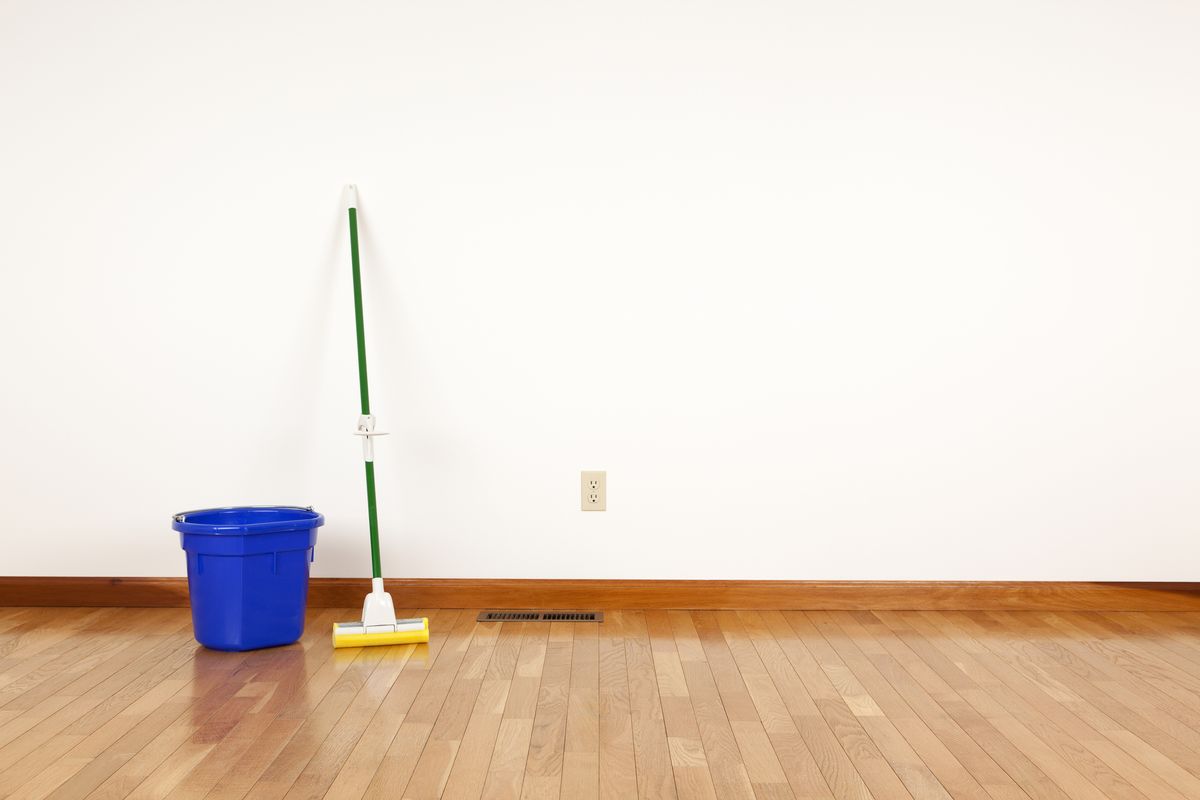
The cleaning process begins with thorough dusting or sweeping to remove loose debris that could scratch the floor. Microfiber mops work best with vinegar solutions, as they absorb liquid well without oversaturating the wood. Wring the mop nearly dry before application to prevent excess moisture from seeping into seams. Move along the wood grain to lift dirt effectively and avoid streaking. For stubborn spots, apply the solution directly to a soft cloth and gently rub the area. Immediate drying with a clean towel prevents water marks and protects the floor’s integrity.

Vinegar’s disinfecting properties make it ideal for sanitizing wood floors naturally. The acetic acid in vinegar kills many common bacteria and germs, offering a chemical-free alternative to commercial disinfectants. However, it’s less effective against certain pathogens compared to stronger cleaners, so it may not suffice for high-risk areas. Adding a few drops of essential oils like tea tree or lavender boosts antimicrobial effects while leaving a pleasant scent. Avoid using vinegar on unsealed wood, as the moisture and acidity can warp or stain the raw material over time.
Regular maintenance with vinegar helps preserve wood floors between deep cleanings. Weekly light mopping prevents dirt buildup without excessive wear on the finish. For high-traffic areas, increase frequency to twice weekly, focusing on entryways and kitchen spaces. Between cleanings, dry dust mops or electrostatic sweepers remove surface particles that could grind into the finish. This routine minimizes the need for aggressive scrubbing, extending the floor’s lifespan. Always address spills immediately, as standing liquid poses the greatest risk to wood, regardless of cleaning method.

While vinegar works well for most sealed wood floors, certain situations require alternative approaches. Floors with wax finishes need pH-neutral cleaners to avoid stripping the protective coating. For oil-finished or untreated wood, specialized wood soaps maintain the surface better than acidic solutions. When dealing with heavy grease or wax buildup, a vinegar-water mix can help break down residues, but should be followed by proper refinishing. In cases of mold or mildew, vinegar proves effective for surface treatment, but professional remediation may be needed for deeper issues.
Enhancing vinegar’s cleaning power with simple additives creates customized solutions for different needs. A tablespoon of olive oil added to the basic mix conditions wood while cleaning, ideal for drier climates. Baking soda combines with vinegar to form a gentle scrubbing paste for tough stains—apply sparingly to avoid abrasion. For extra shine, a few drops of liquid castile soap boosts cleaning action without damaging finishes. These modifications allow adjustment based on floor condition and cleaning requirements, providing flexibility without chemical complexity.
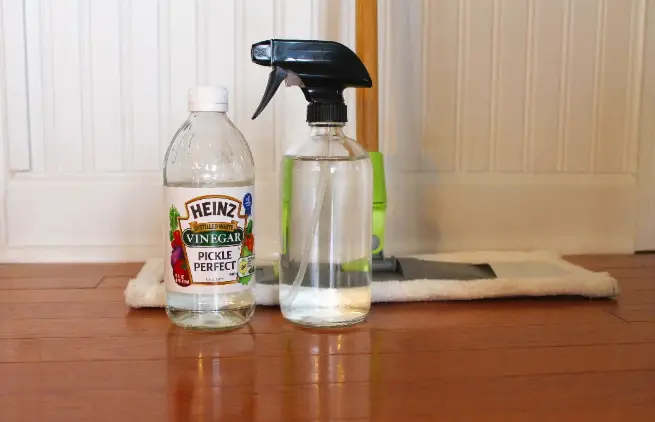
Proper technique ensures vinegar cleaning delivers benefits without risks. Never let vinegar solution pool on the surface—excess moisture causes warping and finish damage over time. Work in small sections to maintain control over liquid application. Change cleaning water frequently to avoid spreading dirt around. After mopping, buff the floor with a dry microfiber cloth to restore luster and remove any residual vinegar smell. These practices maximize cleaning effectiveness while protecting the wood’s appearance and structure.
Seasonal considerations affect vinegar cleaning routines for wood floors. Winter months may require more frequent cleaning to remove salt and moisture tracked indoors, but with extra care to prevent slippery surfaces. Summer’s higher humidity reduces static cling, making dry mopping more effective between washes. Adjust solution strength based on seasonal dirt levels—slightly stronger in muddy seasons, more diluted when floors stay cleaner. These adaptations maintain floor health year-round while accommodating changing environmental conditions.

Addressing common concerns about vinegar use prevents potential problems. The strong odor dissipates quickly as floors dry, leaving no lasting smell. For those sensitive to the scent, adding citrus peels to the vinegar bottle during storage infuses a fresher aroma. Some worry about vinegar’s acidity harming wood, but properly diluted solutions pose no threat to sealed surfaces. In fact, vinegar’s mild nature often proves gentler than commercial cleaners containing ammonia or bleach. Understanding these facts helps homeowners use vinegar confidently.
Long-term use of vinegar as a wood floor cleaner offers multiple advantages beyond basic cleaning. It leaves no chemical residues that could degrade finishes over time. The low-cost solution saves money compared to specialized wood cleaners. Environmentally conscious homeowners appreciate avoiding synthetic chemicals that could harm indoor air quality. When used as part of a comprehensive care routine—including regular dusting and prompt spill cleanup—vinegar helps maintain beautiful wood floors for decades. This natural approach balances effectiveness with safety, making it a practical choice for many households.

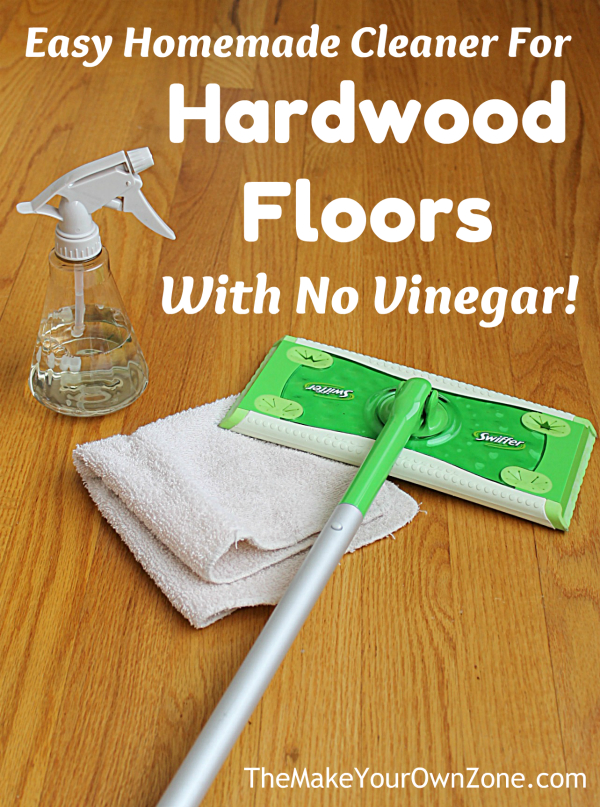
My “No Vinegar” Cleaner for Hardwood Floors – The Make Your Own Zone
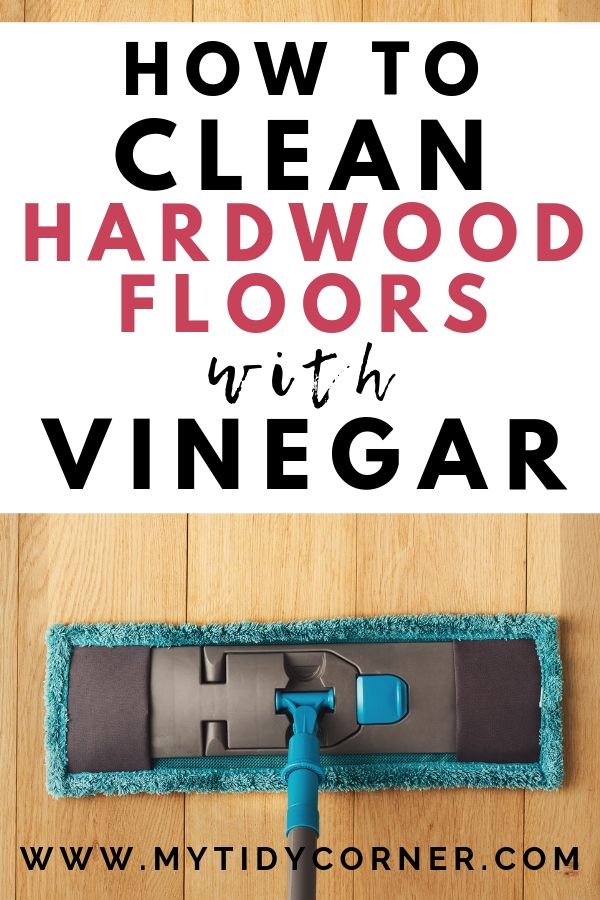
How To Clean Hardwood Floors With Vinegar – The Basic Woodworking

Vinegar Floor Cleaner Wood – 2 ingredient Wood Conditioner Cleaning wood, Cleaning : It’s

How to Clean Hardwood Floors with Vinegar and Water!
Homemade Floor Cleaners Which Make Your Life Easier Styletic
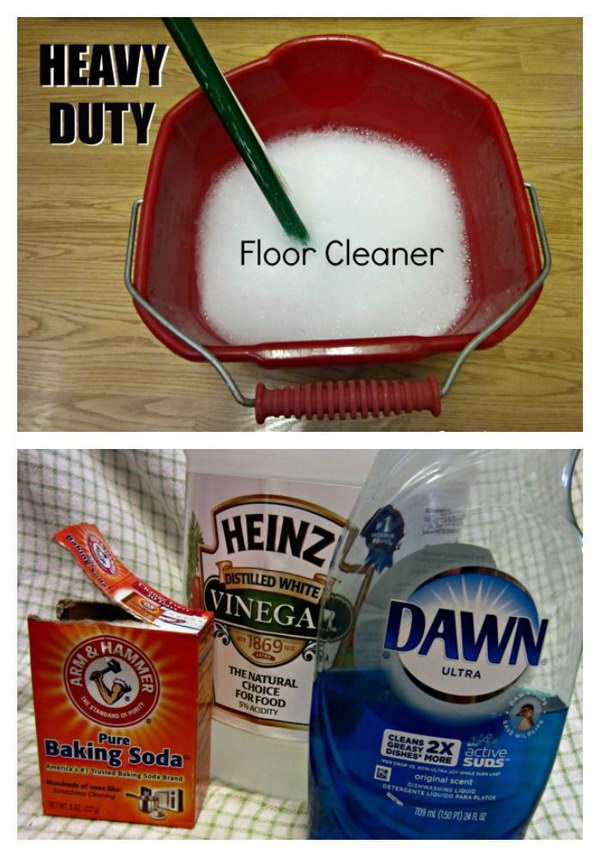
Diy Wood Floor Cleaner No Vinegar / Homemade Hardwood Floor Cleaner That Shines 6 Diy Cleaning
Cleaning Wood Floors – how to articles from wikiHow

Related Posts: