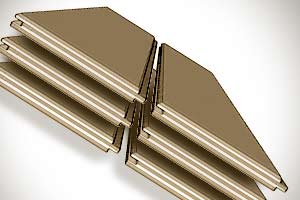
When I was renovating my home, I spent weeks researching flooring options before deciding on engineered wood. Unlike genuine hardwood, engineered wood is made up of numerous layers, including a real wood veneer on top and plywood or high-density fiberboard underneath. This design makes it more stable, particularly in locations with changing humidity. I live in a climate with distinct seasons, and my floors have not warped or gaped as solid hardwood may have. What is the best part? It has the same beauty as traditional hardwood, but is more durable and easier to install.
One of the most significant advantages I discovered is that engineered wood may be used in areas where solid wood cannot, such as basements or above concrete slabs. Because it is less prone to expansion and contraction, it is ideal for use with radiant heating systems, which were essential in my kitchen. I chose a floating floor installation, which involved no nails or glue, only interlocking planks. The entire operation was really rapid, and I could walk on it right away. If you’re considering DIY, engineered wood is one of the more forgiving materials for beginners.

Maintenance has been straightforward. I sweep frequently to keep debris from damaging the surface, and I use a moist mop with a wood-friendly cleaner every few weeks. Unlike laminate, engineered wood can be refinished one or two times, depending on the thickness of the top veneer. Mine has a 4mm wear layer, which allows me to sand and refinish it if it becomes scratched. That longevity was an important selling feature for me. Simply prevent excessive water, as continuous moisture exposure might damage the core layers.
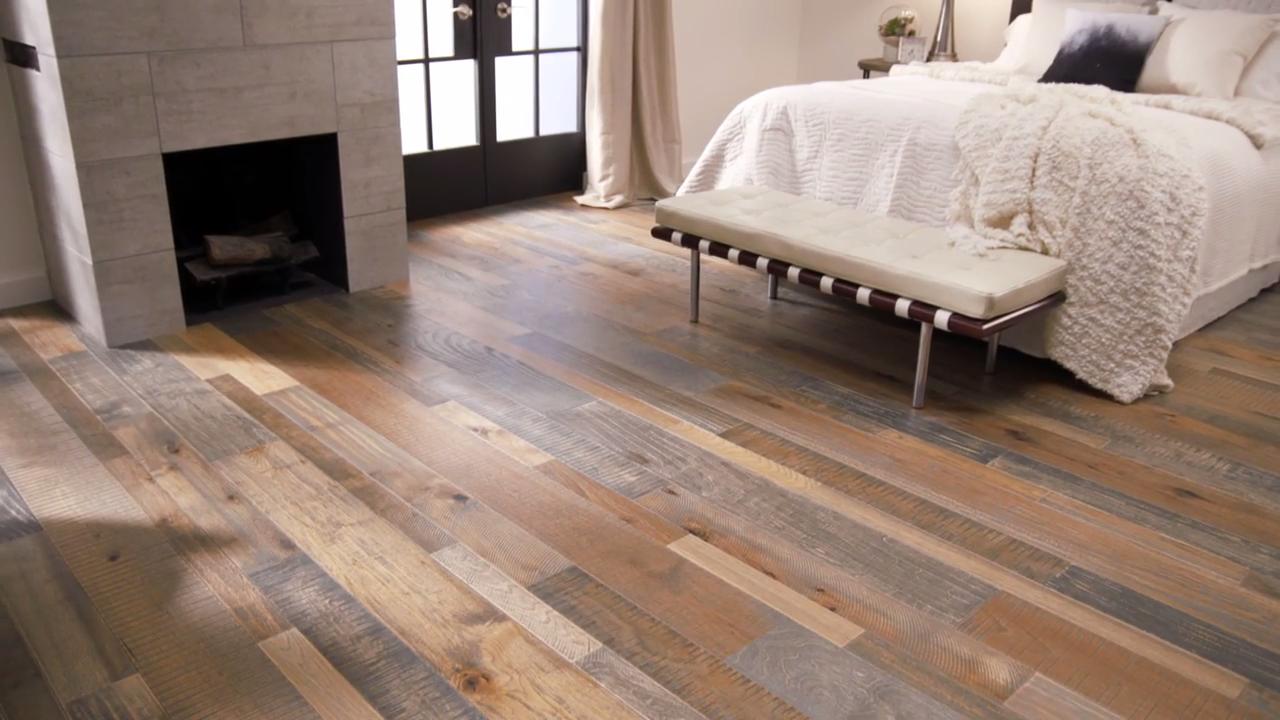
I was astonished by the diversity of finishes and wood types offered. I chose an oak veneer with a matte finish since it conceals scratches more effectively than glossy choices. Some engineered wood has hand-scraped or wire-brushed textures, which give individuality. If you enjoy exotic woods such as Brazilian cherry or acacia, engineered planks are sometimes less expensive than solid wood. The objective is to assess the quality of the veneer and core structure. Cheaper choices may employ thin veneers that cannot be refinished, so investing in a stronger top layer will pay off in the long run.

Cost played a role in my decision. Engineered wood is typically less expensive than real hardwood, but more expensive than laminate or vinyl. I discovered that mid-range solutions provided the best combination of quality and pricing. I saved money on labor because the installation was easier than with solid wood. Over time, the durability and refurbishing possibilities make it a cost-effective option. If you’re on a limited budget, seek for deals at local flooring stores or buy in bulk for larger jobs.
I was first apprehensive about how engineered wood would stand up to pets and children. After two years, I can confidently state it has remained resilient. My dog’s claws haven’t left any apparent marks, and spills are easy to clean up as long as I don’t let them sitting. The scratch-resistant coatings available today are game changers. To catch dirt and grit in high-traffic areas, I installed rugs at entryways. If you live in a busy household, engineered wood is a practical yet elegant option.
One thing I didn’t anticipate was how important the underlayment is. A good underlayment minimizes noise, provides cushioning, and improves moisture resistance. I utilized a cork underlayment for increased insulation and soundproofing, and it made a significant difference in comfort. If you’re installing over concrete, a vapor barrier is required to keep moisture from leaking into the boards. Do not scrimp on this step, as it can considerably increase the life of your floors.
The environmental issue was very important to me. Engineered wood uses less solid wood than regular hardwood, making it a more environmentally friendly option. To ensure interior air quality, I chose a product with low-VOC coatings and adhesives. Some businesses also have FSC-certified choices, which ensures responsible forestry methods. If environmental friendliness is important, look for brands that stress sustainability in their manufacturing practices.

Over time, I’ve come to appreciate how well engineered wood complements many decor types. When I repainted my walls, the floors matched the new color scheme perfectly. Unlike certain flooring styles, which become antiquated after a few years, wood has eternal beauty. Whether your style is modern farmhouse, mid-century, or minimalist, engineered wood adapts seamlessly. It’s an adaptable foundation that allows you to change your decor without having to install new floors.
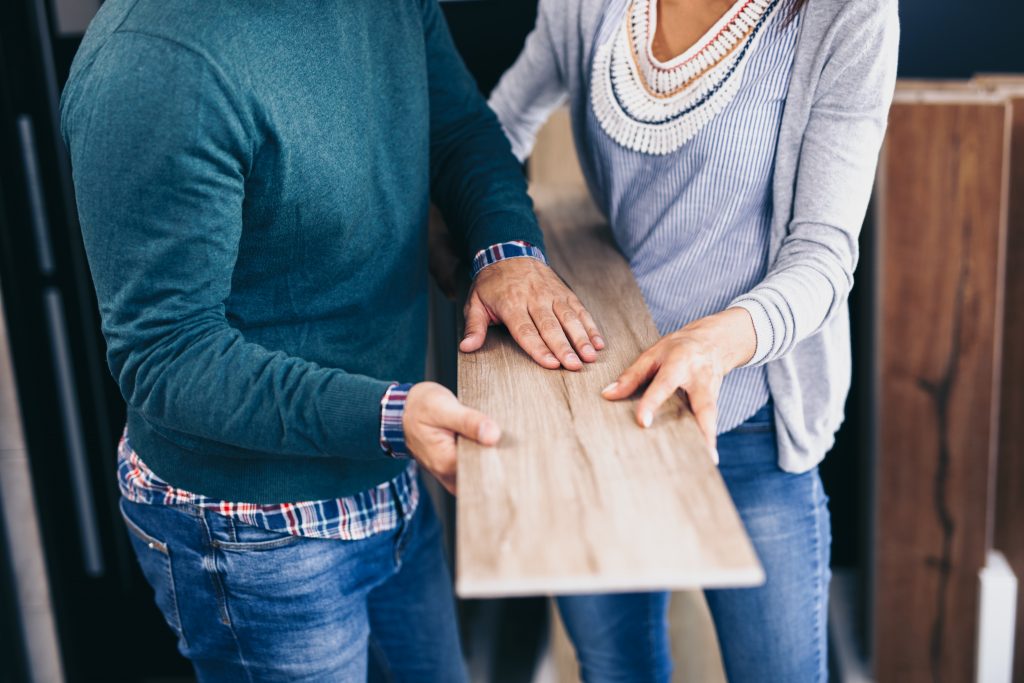
If you are thinking about using engineered wood, I recommend collecting some samples first. Seeing the planks in your home’s illumination allows you to choose the appropriate tone and texture. Pay attention to the warranty, since it may demonstrate the manufacturer’s trust in their goods. After years of using engineered wood in my home, I can confidently state that it was one of the best decisions I made. It combines the beauty of natural wood with practical features that make daily life easier.

Can engineered wood be used in the bathroom or kitchen?
While engineered wood is more moisture-resistant than solid hardwood, I would not use it in full bathrooms or locations with frequent water exposure. It can be effective in kitchens if spills are cleaned up immediately. Some manufacturers have water-resistant solutions with sealed edges, however tile or luxury vinyl may be more suitable for moist situations. Always examine the product’s moisture tolerance before installing it in high-humidity areas.
How many times may engineered wood be refinished?
This depends on the thickness of the top veneer. My 4mm wear layer can be refinished twice, however thinner veneers may only allow one sanding. If you intend to restore the veneer, always measure it before purchase. Some ultra-thin engineered wood cannot be refinished at all, so study the requirements thoroughly. Proper maintenance can prevent the need for refinishing for many years.

Is engineered wood superior to laminate?
Engineered wood has a real wood veneer, giving it a more authentic appearance and feel than laminate’s photographic layer. It may also be refinished, although laminate typically requires replacement when damaged. However, laminate is frequently more scratch-resistant and cost-effective. Engineered wood provides the warmth of real wood while being more durable than solid hardwood.
Will engineered wood fade in sunlight?
Engineered wood, like all wood products, can fade with time and UV exposure. My floorboards near large windows have lightened gradually over the last two years. Using curtains or UV-blocking window film can help slow down the process. Choosing a floor with a UV-resistant coating is also beneficial. The fading is normally even and gradual, so it does not appear strange.
Can you put engineered wood over existing tile?
Yes, provided the tile is firmly fixed and level. Mine was laid over old ceramic tile utilizing a floating floor approach, with an underlayment to smooth out small irregularities. The trick is to keep the surface clean, flat, and dry. Avoid putting over damaged or loose tiles since movement might cause long-term damage to the new floor. A specialist can determine whether your existing floor is adequate.
How long does engineered hardwood flooring last?
With careful maintenance, premium engineered wood can last 20 to 30 years or beyond. The lifespan of the veneer is determined by its thickness, wear layer quality, and maintenance. My flooring still appear beautiful after several years because I refinish them as needed and avoid excessive wetness. Engineered wood is often more dimensionally stable over time than solid wood due to its layered composition.
/200571260-001_HighRes-56a49dec5f9b58b7d0d7dc1e.jpg)
Engineered floors – multiple layers of wood that are glued together
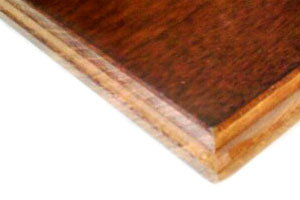
Acacia Cocoa Brown » Artisan Hardwood Flooring

What is Engineered Hardwood & What Are the Pros? EarlyExperts
China Bamboo Flooring of Solid and Engineered – China Bamboo Flooring, Bamboo Floor

Related Posts: