I never expected bamboo flooring to capture my imagination, but during a home renovation show marathon, I witnessed a stunning transformation featuring rustic bamboo planks that looked nothing like the smooth, contemporary versions I had previously encountered. These weathered boards showcased natural grain patterns, knots, and color variations that rivaled traditional hardwood in character and warmth. The environmental benefits immediately appealed to my conscience, as bamboo regenerates in three to five years compared to decades required for hardwood trees. Learning that bamboo produces more oxygen than trees while requiring no replanting sealed my decision. This discovery launched an exciting journey into sustainable flooring that would completely transform my living spaces.
Researching rustic bamboo options revealed fascinating manufacturing processes that create the weathered, aged appearance I found so appealing in modern homes. Traditional smooth bamboo undergoes additional treatments, including hand-scraping, wire brushing, and distressing techniques that expose natural grain patterns hidden beneath the surface. Some manufacturers use thermal modification processes that darken the bamboo naturally without chemical stains, creating rich chocolate and caramel tones that develop unique character. The rustic processing requires more time and skilled craftsmanship, resulting in higher costs than standard bamboo products. However, the authentic appearance and enhanced durability justified the premium pricing for my particular application.
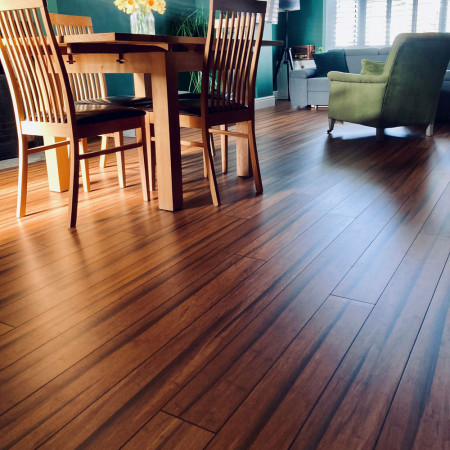
Shopping for rustic bamboo flooring taught me about the significant quality differences between various manufacturers and construction methods available in today’s market. Strand-woven bamboo offers superior density and durability compared to traditional horizontal or vertical construction, making it ideal for high-traffic areas in my busy household. The bamboo fibers are shredded and compressed under extreme pressure with adhesives, creating planks harder than most hardwoods while maintaining the grass’s natural flexibility. I selected hand-scraped strand-woven planks with beveled edges that would enhance the rustic appearance while providing forgiveness for minor installation imperfections. Quality certifications ensured low formaldehyde emissions, addressing health concerns about adhesives used in manufacturing.
Acclimating my bamboo flooring required patience and careful environmental control, as the material needed time to adjust to my home’s humidity and temperature conditions. I stored the unopened boxes in the installation area for 72 hours, maintaining a consistent temperature between 60 and 80 degrees Fahrenheit. The acclimation period allows bamboo to expand or contract before installation, preventing gaps or buckling problems that could develop later. During this waiting period, I prepared the subfloor by ensuring it was level, clean, and properly sealed against moisture penetration. Installing a vapor barrier seemed essential, as bamboo can be sensitive to humidity changes that might cause dimensional instability over time.

The installation process proved more straightforward than anticipated, thanks to the tongue-and-groove construction that allowed planks to fit together like puzzle pieces. I chose to nail the flooring down rather than using floating installation methods, ensuring maximum stability and reducing hollow sounds when walking across the surface. Starting with the longest, straightest wall, I worked methodically across the room, staggering joints to create natural-looking patterns that enhanced the rustic appearance. The hand-scraped texture helped camouflage minor gaps or imperfections that occurred during installation, making the project more forgiving for my intermediate DIY skills. Professional tools, including a pneumatic nailer, made the work efficient and precise.
Living with rustic bamboo floors has exceeded my expectations in terms of both durability and aesthetic appeal, proving that sustainable materials can match traditional hardwood performance. The natural antimicrobial properties of bamboo resist bacteria and allergens, creating healthier indoor air quality for my family members who suffer from respiratory sensitivities. Daily foot traffic, pet activity, and occasional spills have caused minimal visible wear after two years of use. The rustic texture effectively hides scratches and dents that would be obvious on smooth flooring surfaces, maintaining appearance despite normal household activities. The warm, organic tones complement both contemporary and traditional furnishing styles beautifully.
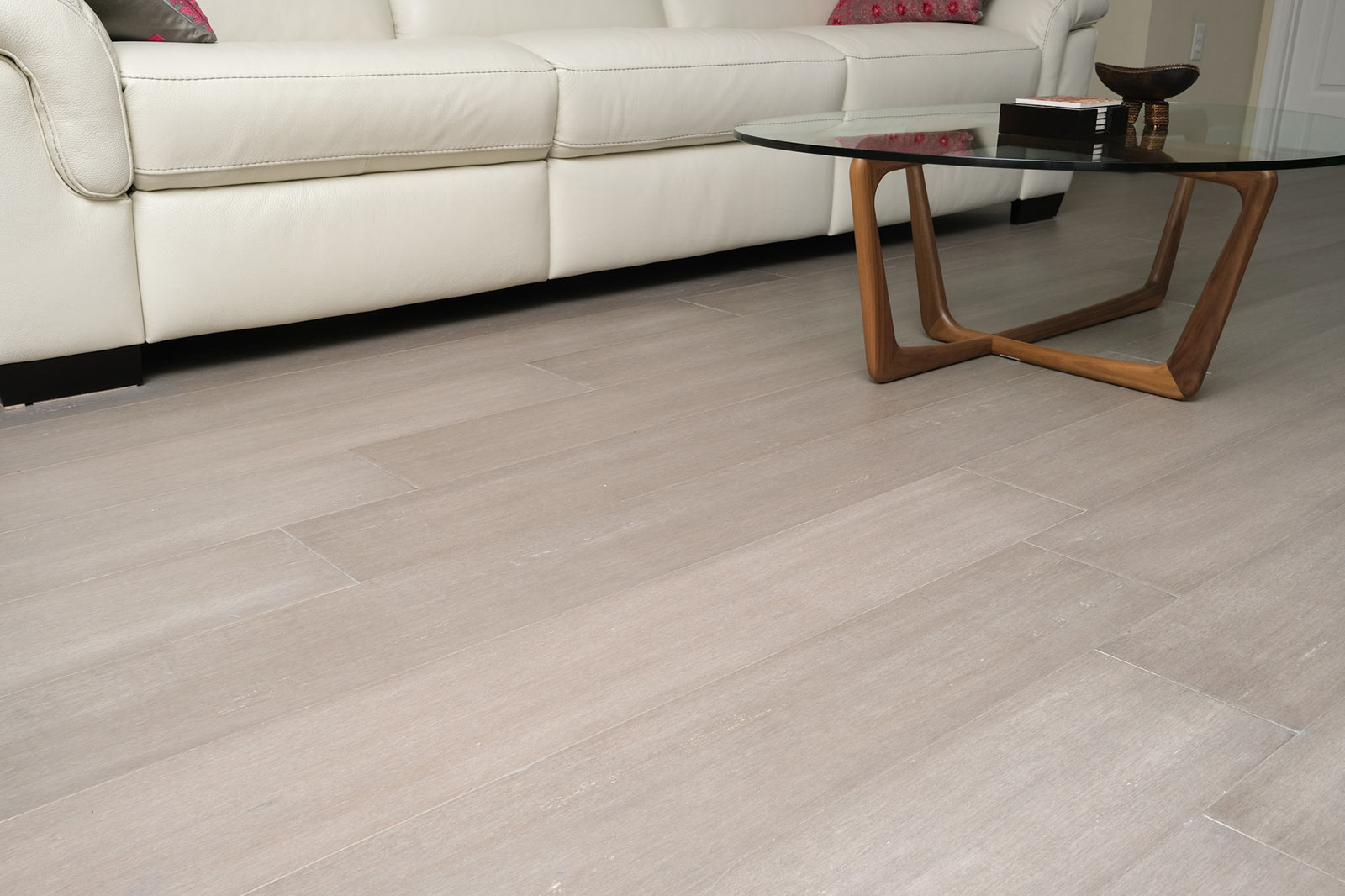
Maintaining my rustic bamboo floors requires simple cleaning routines that preserve the natural beauty while protecting the finish from premature wear. Daily sweeping or vacuuming removes dirt and debris that could scratch the surface, while weekly damp mopping with pH-neutral cleaners keeps everything looking fresh and clean. I avoid excessive water and harsh chemicals that might damage the bamboo fibers or strip protective finishes applied during manufacturing. The textured surface naturally hides dust and pet hair between cleanings, unlike smooth floors that show every particle clearly. Periodic deep cleaning with specialized bamboo floor cleaners maintains optimal appearance and extends the lifespan significantly.
The thermal properties of my bamboo flooring provide comfortable temperatures year-round, staying cooler than carpet in summer while remaining warmer than ceramic tile during winter months. The material’s natural flexibility creates a softer feel underfoot compared to traditional hardwood, reducing fatigue during extended standing periods in the kitchen. Sound absorption qualities minimize noise transmission between floors, creating quieter living environments that my family appreciates greatly. The dimensional stability has proven excellent, with minimal expansion or contraction despite seasonal humidity changes. These comfort benefits complement the aesthetic appeal, making bamboo an excellent choice for whole-house installations.
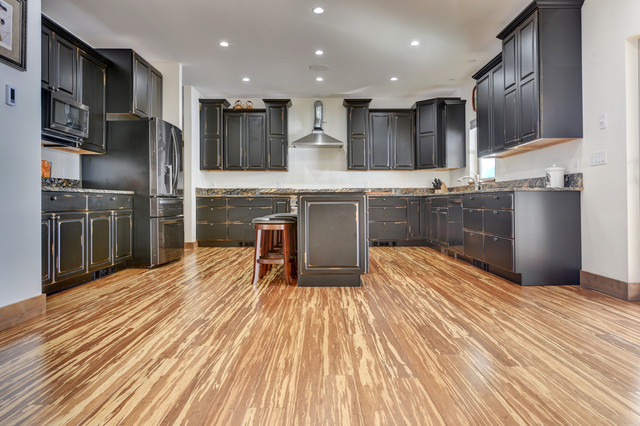
Environmental consciousness played a major role in my flooring decision, and bamboo’s sustainability credentials continue to impress me as I learn more about responsible manufacturing practices. Bamboo sequesters more carbon dioxide than equivalent hardwood forests while requiring no fertilizers, pesticides, or irrigation for healthy growth. The rapid regeneration cycle means harvesting doesn’t harm the root system, allowing continuous production without environmental degradation. Many manufacturers have achieved carbon-neutral production through renewable energy use and responsible sourcing practices. Choosing bamboo allowed me to create beautiful living spaces while supporting environmentally responsible industries that prioritize long-term ecological health over short-term profits.
Reflecting on my rustic bamboo flooring experience, I appreciate how this sustainable choice challenged my preconceptions about alternative materials while delivering superior performance and beauty. The combination of environmental responsibility, durability, and aesthetic appeal makes bamboo an intelligent choice for conscious consumers seeking quality without compromise. My floors continue developing character through daily use, aging gracefully like fine hardwood while maintaining their structural integrity and visual appeal. Friends and visitors consistently express surprise at the authentic appearance and comfortable feel, often assuming the floors are traditional wood until I share the bamboo story. This project proved that sustainable choices can enhance rather than limit design possibilities.
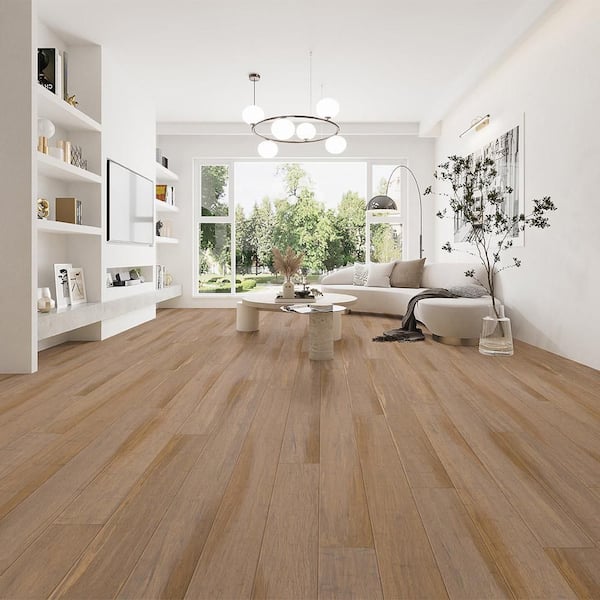
How does rustic bamboo flooring compare to traditional hardwood in terms of durability?
High-quality strand-woven bamboo exceeds most hardwoods in durability testing, with Janka hardness ratings often surpassing oak, maple, and other popular species. The manufacturing process creates extremely dense planks that resist denting, scratching, and wear better than many traditional options. Bamboo’s natural flexibility provides resilience against impact damage while maintaining structural integrity over time. However, quality varies significantly between manufacturers, making research and certification verification essential for optimal performance. Properly maintained bamboo floors can last 25-50 years, matching or exceeding hardwood longevity when installed correctly in appropriate environments.
What are the main environmental advantages of choosing bamboo over hardwood flooring?
Bamboo regenerates in 3-5 years compared to 25-100 years required for hardwood trees, making it dramatically more sustainable for continuous harvesting. The grass produces 35% more oxygen than equivalent hardwood forests while sequestering more carbon dioxide during rapid growth cycles. Harvesting bamboo doesn’t kill the plant, as cutting above root level allows immediate regrowth without replanting requirements. Many bamboo products achieve carbon-neutral production through renewable energy and responsible manufacturing practices. Additionally, bamboo requires no fertilizers, pesticides, or irrigation, reducing environmental impact compared to tree farming operations that often rely heavily on chemical inputs.

Can rustic bamboo flooring be installed over existing floors or radiant heating systems?
Rustic bamboo can be installed over many existing floor types, including plywood, OSB, concrete, and some tile installations, with proper preparation and underlayment. The subfloor must be level, structurally sound, and properly sealed against moisture penetration, regardless of existing materials. Radiant heating compatibility depends on the specific bamboo product and installation method, with nail-down installations generally working better than floating systems. Maximum temperature recommendations typically limit radiant systems to 80-85 degrees Fahrenheit to prevent thermal damage. Always consult manufacturer specifications and consider professional installation for radiant heating applications to ensure warranty protection.
How should I maintain and clean my rustic bamboo floors?
Daily maintenance involves sweeping or vacuuming to remove dirt and debris that could scratch the surface, followed by weekly damp mopping with pH-neutral bamboo floor cleaners. Avoid excessive water, steam mops, wax-based products, or harsh chemicals that could damage bamboo fibers or strip protective finishes. Clean spills immediately to prevent staining or water damage, especially from acidic substances like wine or citrus juices. Use furniture pads to prevent scratches and maintain consistent indoor humidity between 30-50% for optimal dimensional stability. Periodic deep cleaning and refinishing every 3-5 years maintains appearance and extends floor lifespan significantly.

What factors affect the cost of rustic bamboo flooring installation?
Rustic bamboo flooring costs vary from $3-8 per square foot for materials, with strand-woven and hand-scraped varieties commanding premium prices due to manufacturing complexity. Installation adds $2-5 per square foot, depending on subfloor condition, room complexity, and regional labor rates. Additional costs include underlayment, moisture barriers, transitions, and moldings required for professional installation. Subfloor preparation or repair can significantly impact total project costs, especially in older homes with uneven or damaged subflooring. Quality bamboo products cost more initially but provide better long-term value through enhanced durability and appearance retention compared to cheaper alternatives.
Are there any limitations or drawbacks to rustic bamboo flooring?
Bamboo flooring can be sensitive to extreme humidity changes, potentially causing expansion, contraction, or cupping in environments with poor climate control. Water damage poses risks similar to hardwood, requiring immediate cleanup and potentially professional restoration for serious incidents. Some lower-quality products contain higher formaldehyde levels in adhesives, making certification verification important for indoor air quality. Color fading may occur in areas with direct sunlight exposure, though UV-resistant finishes help minimize this concern. Installation mistakes are less forgiving than with some flooring types, potentially requiring professional correction for optimal results and warranty protection.

Rustic Clove Bamboo – fullscreen Bamboo flooring, Paint colors for living room

Rustic bamboo flooring – Google Shopping Bamboo flooring, Bamboo, Flooring

Rustic Mist Floating Strand Bamboo Floor Eucalyptus Core
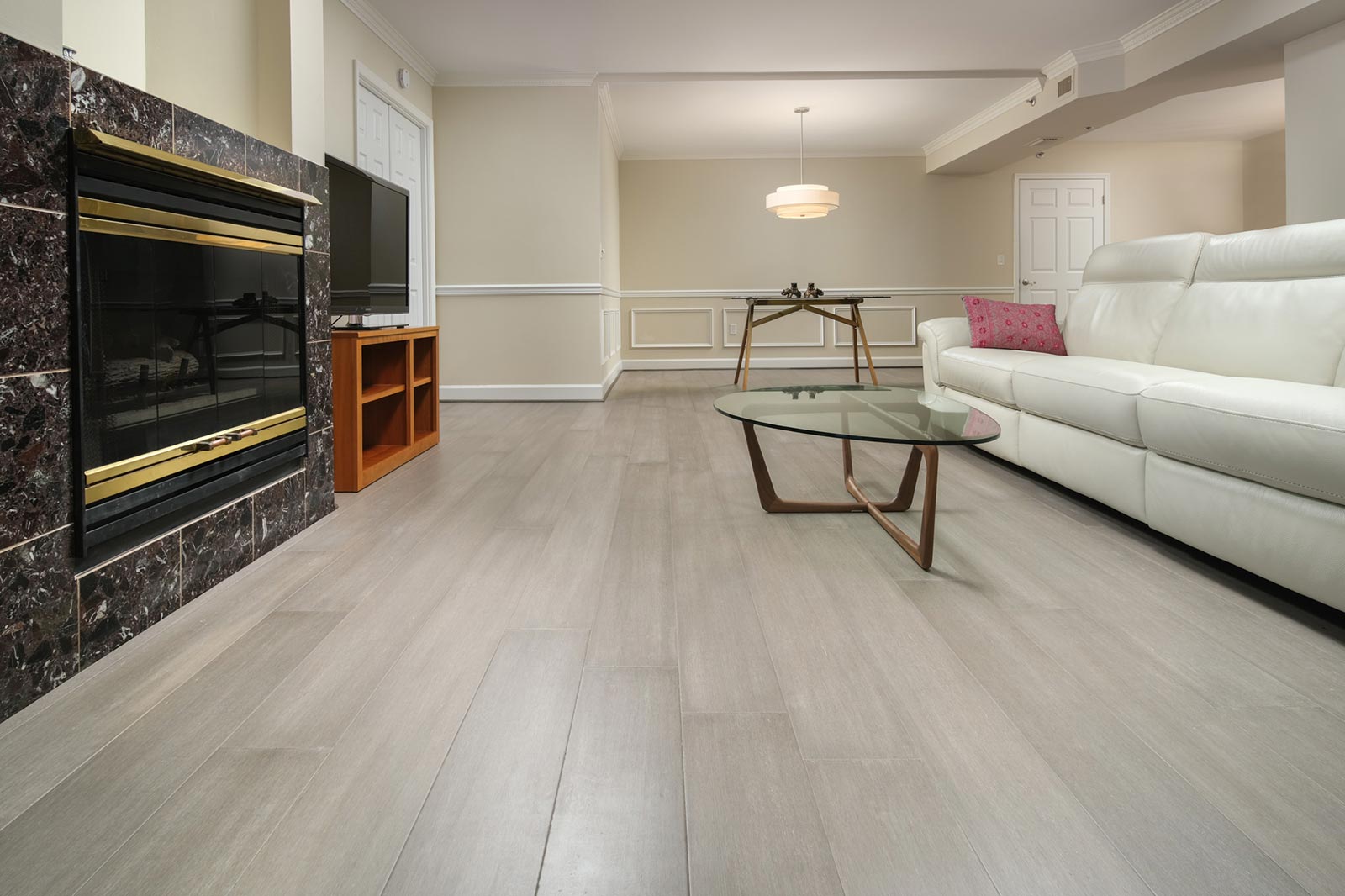
Plantino Bamboo, Rustic Sand Choices flooring, Flooring, Flooring store

Solid Rustic Carbonized Strand Woven Bamboo Flooring Price in Bangladesh – Nirmaan Technologies
Related Posts: