I first discovered the power of bleach for tile floor cleaning when my bathroom grout had become embarrassingly discolored despite regular cleaning efforts with conventional products. Nothing seemed to restore the original white appearance until I carefully tried a diluted bleach solution that transformed my floors overnight. The dramatic results convinced me to research proper bleach cleaning techniques for different tile types throughout my home. Over the past five years, I’ve refined my approach through trial and error, learning which situations benefit from bleach and which require gentler alternatives. This journey has taught me that bleach can be incredibly effective when used correctly, but it requires respect and proper techniques.
Safety precautions became my highest priority after experiencing mild respiratory irritation during my first bleach cleaning attempt without adequate ventilation. I now always open windows and run exhaust fans before starting any bleach cleaning project to ensure proper air circulation throughout the process. Rubber gloves protect my hands from chemical burns, while old clothes prevent accidental bleaching of good garments. I keep pets and children away from treated areas until floors are completely dry and residue-free. Never mixing bleach with other cleaning products prevents dangerous chemical reactions that could create toxic gases. These simple safety measures have prevented accidents and made bleach cleaning a routine part of my deep cleaning regimen.

Proper dilution ratios are critical for effective tile cleaning without damaging surfaces or creating excessive chemical exposure during the cleaning process. I typically use one part bleach to ten parts water for routine cleaning and disinfection of most tile surfaces. Heavily soiled or stained areas may require stronger solutions of one part bleach to five parts water, though I test inconspicuous areas first. Never use undiluted bleach directly on tiles, as this can cause discoloration or surface damage that may be permanent. I mix fresh solutions for each cleaning session since bleach loses effectiveness over time when exposed to light and air. Measuring carefully ensures consistent results while minimizing waste and chemical exposure.
Application techniques have evolved through my experience with different tile materials and cleaning challenges throughout various rooms in my home. I apply diluted bleach solution using a spray bottle for even distribution across large floor areas, then allow proper dwell time for maximum effectiveness. A soft-bristled brush helps work the solution into grout lines where dirt and mildew typically accumulate most heavily. For routine cleaning, I mop the solution across the entire floor surface, paying special attention to corners and edges where buildup occurs. I never allow bleach solutions to air dry on tiles, always following with clean water rinses to remove all chemical residues that could attract dirt or cause streaking problems.
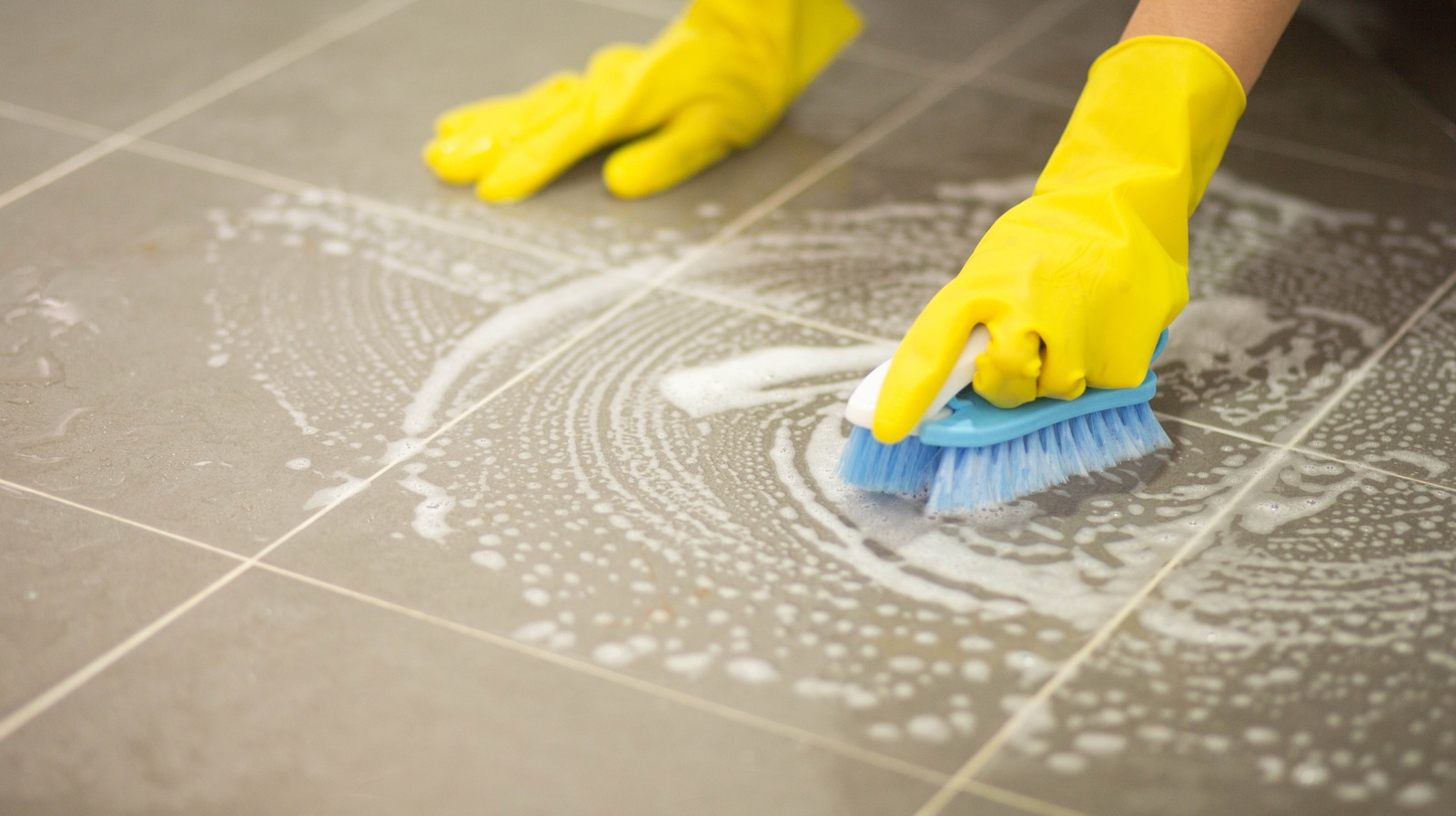
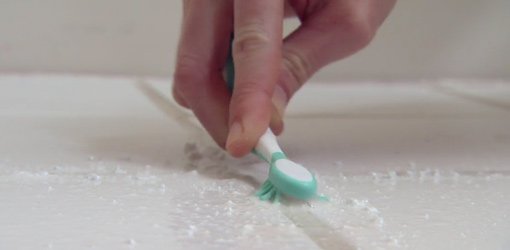
Grout cleaning represents the most dramatic transformation possible when using bleach solutions properly on tile floors throughout bathrooms and kitchen areas. The porous nature of grout makes it particularly susceptible to staining and mildew growth that regular cleaners cannot address effectively. I apply bleach solution directly to grout lines using a spray bottle, then scrub gently with an old toothbrush to work the solution deep into the porous material. The whitening effect often appears within minutes, though heavily stained grout may require multiple applications over several cleaning sessions. This targeted approach restores grout to a like-new appearance while avoiding unnecessary chemical exposure to surrounding tile surfaces.
Different tile materials require modified approaches when using bleach to avoid damage while achieving optimal cleaning results throughout your home. Ceramic and porcelain tiles handle bleach solutions well without discoloration or surface damage when properly diluted and rinsed thoroughly. Natural stone tiles like marble or travertine should never be cleaned with bleach, as acid in the solution can cause permanent etching and discoloration. Glass tiles generally tolerate bleach well, though I always test small areas first to ensure no adverse reactions occur. Metal tiles may show discoloration or corrosion from bleach exposure, so I use alternative cleaning methods for these surfaces. Understanding your tile material prevents costly damage from inappropriate cleaning product selection.

Rinsing procedures are absolutely essential after bleach cleaning to prevent residue buildup that attracts dirt and creates streaking on tile surfaces. I always follow bleach cleaning with thorough clean water mopping, changing rinse water frequently to avoid redistributing chemical residues. Multiple rinse cycles ensure complete removal of all bleach traces that could cause problems with future cleaning efforts or pose health risks. I dry floors immediately after final rinsing using clean towels or allowing adequate air circulation to prevent water spots and streaking. Proper ventilation continues during the drying process to eliminate any lingering chemical odors and ensure complete air quality restoration in treated areas.
Frequency recommendations for bleach cleaning depend on usage patterns, environmental conditions, and specific cleaning needs in different areas of your home. High-traffic bathroom floors may benefit from monthly bleach cleaning to control mildew and maintain hygiene standards effectively. Kitchen floors typically need bleach cleaning every six to eight weeks unless spills or staining occur more frequently. Less frequently used areas may only require bleach cleaning quarterly or when visible staining appears. I avoid overuse of bleach, which can cause premature wear of grout and potentially damage tile surfaces over time. Rotating between bleach cleaning and gentler alternatives maintains optimal cleanliness without excessive chemical exposure or surface degradation.
:strip_icc()/bhg-floor-cleaners-test-quick-shine-multi-surface-dburreson-016-9-4f124d900d1c4f999056783f64b8f973.jpeg)
Environmental considerations have influenced my bleach usage patterns as I’ve become more conscious of chemical impacts on water systems and indoor air quality. I minimize bleach quantities by using the weakest effective concentration for each cleaning task, reducing unnecessary environmental exposure. Proper disposal of leftover bleach solutions prevents water contamination, though small amounts can be safely flushed with plenty of water. I’ve increased my use of alternative cleaning methods for routine maintenance, reserving bleach for situations requiring disinfection or stain removal. This balanced approach maintains excellent cleaning results while reducing overall chemical usage and environmental impact through more thoughtful product selection and application techniques.
My experience with bleach cleaning has taught me that this powerful tool requires knowledge, respect, and proper technique for safe and effective results. The dramatic improvements possible with bleach make it invaluable for deep cleaning projects and stain removal that other products cannot address adequately. However, the importance of safety precautions, proper dilution, appropriate application methods, and thorough rinsing cannot be overstated. When used correctly, bleach transforms tired, stained tile floors into sparkling clean surfaces that look professionally maintained. Take time to understand your tile materials, test solutions carefully, and always prioritize safety throughout the cleaning process for best results and peace of mind.
What’s the proper bleach to water ratio for cleaning tile floors?
The standard ratio I use for routine tile floor cleaning is one part bleach to ten parts water, which provides effective cleaning and disinfection without excessive chemical exposure or surface damage. For heavily soiled or stained areas, I increase the concentration to one part bleach to five parts water, though I always test inconspicuous areas first to ensure no adverse reactions occur. Never use undiluted bleach directly on tiles, as this concentration can cause permanent discoloration or surface damage. I mix fresh solutions for each cleaning session since bleach loses effectiveness when exposed to light and air over time, ensuring consistent cleaning results.
Is it safe to use bleach on all types of tile flooring?
Bleach is not safe for all tile types and can cause permanent damage to certain materials that require alternative cleaning approaches. Ceramic and porcelain tiles handle properly diluted bleach solutions well without discoloration or surface damage when rinsed thoroughly. Natural stone tiles like marble, granite, or travertine should never be cleaned with bleach, as the solution can cause permanent etching and discoloration damage. Glass tiles generally tolerate bleach, though testing small areas first is recommended. Metal tiles may show discoloration or corrosion from bleach exposure. Always identify your tile material before using bleach to prevent costly damage from inappropriate cleaning products.

How often should I clean my tile floors with bleach?
Cleaning frequency depends on usage patterns, environmental conditions, and specific hygiene requirements in different areas of your home for optimal maintenance. High-traffic bathroom floors may benefit from monthly bleach cleaning to control mildew growth and maintain sanitary conditions effectively. Kitchen floors typically need bleach cleaning every six to eight weeks unless spills or staining occur more frequently, requiring immediate attention. Less frequently used areas may only require quarterly bleach cleaning or when visible staining appears. I avoid overusing bleach, which can cause premature grout wear and potentially damage tile surfaces over time through excessive chemical exposure and harsh treatment.
What safety precautions should I take when using bleach on floors?
Safety precautions are essential when using bleach to prevent health risks and accidents during the cleaning process. Always ensure adequate ventilation by opening windows and running exhaust fans before beginning bleach cleaning projects. Wear rubber gloves to protect hands from chemical burns and old clothing to prevent accidental bleaching of good garments. Keep pets and children away from treated areas until floors are completely dry and residue-free. Never mix bleach with other cleaning products, as this creates dangerous chemical reactions, producing toxic gases. Store bleach securely and dispose of leftover solutions properly to prevent accidental exposure or environmental contamination.

Do I need to rinse floors after cleaning with bleach?
Thorough rinsing is essential after bleach cleaning to remove all chemical residues that could attract dirt, cause streaking, or pose health risks over time. I always follow bleach cleaning with multiple clean water mopping cycles, changing rinse water frequently to avoid redistributing chemical residues across the floor surface. Multiple rinse cycles ensure the complete removal of all bleach traces that could interfere with future cleaning efforts or create problems. I dry floors immediately after final rinsing using clean towels or adequate air circulation to prevent water spots and streaking. Proper ventilation continues during drying to eliminate lingering chemical odors.
Can bleach damage grout between tiles?
Bleach can damage grout if used improperly or too frequently, though it’s excellent for cleaning and whitening when applied correctly with appropriate precautions. Properly diluted bleach solutions effectively remove stains and mildew from grout without causing structural damage when used occasionally for deep cleaning. However, frequent or concentrated bleach exposure can weaken grout over time, causing crumbling or deterioration that requires expensive repairs. I limit bleach cleaning to monthly or bi-monthly applications and always use proper dilution ratios to minimize potential damage. Testing inconspicuous areas first helps identify any adverse reactions before treating entire floors, preventing widespread damage from inappropriate cleaning approaches.

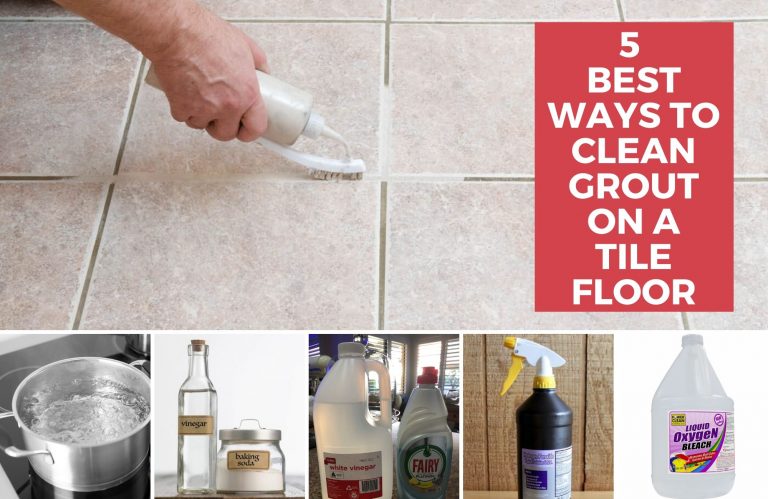
How To Clean Grout On Tile Floor 5 Best & Effective Ways
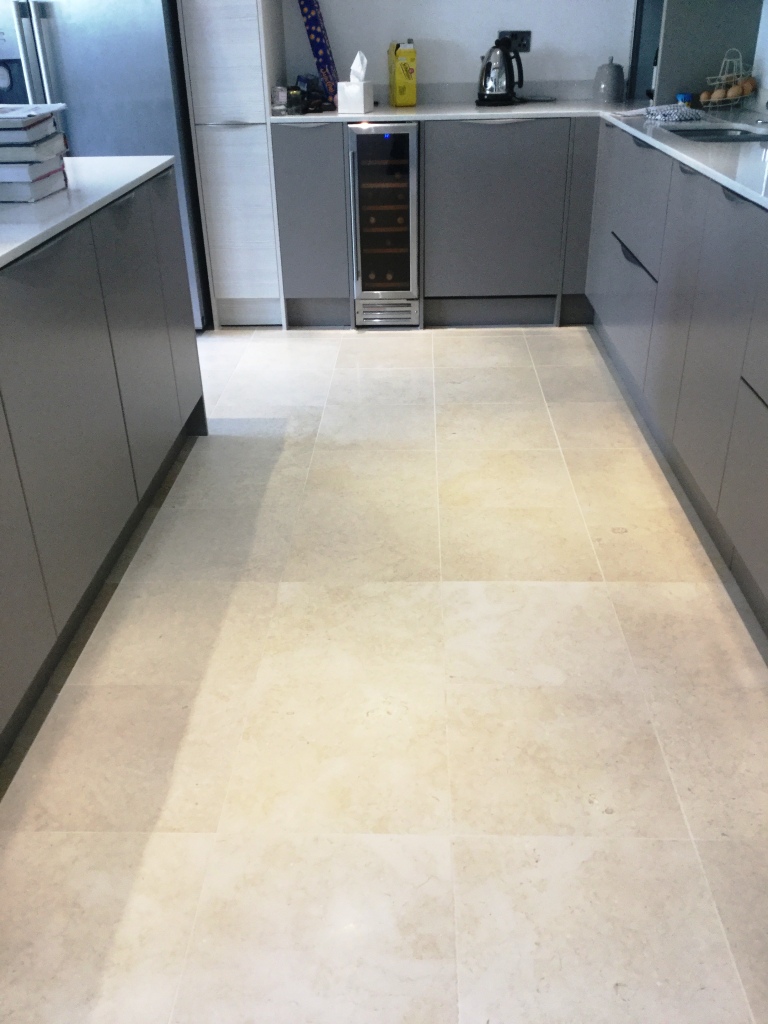
Deep Cleaning a Polished Limestone Kitchen Floor in Northamptonshire – Stone Cleaning and
How To Clean Basement Floor With Bleach – Honorio Blog

Related Posts: