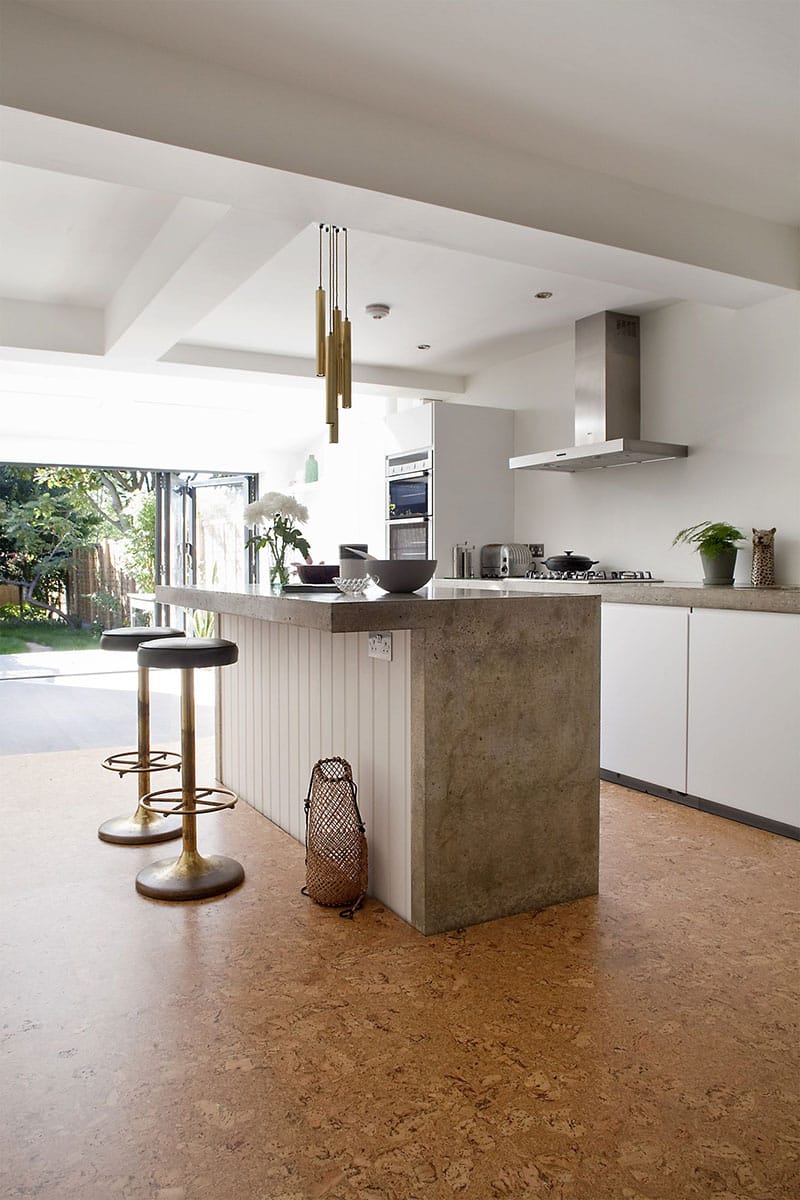
Installing cork flooring tiles is a rewarding DIY project that combines environmental sustainability with natural beauty and comfort. Cork is harvested from the bark of cork oak trees, making it a renewable material that’s both eco-friendly and versatile. Cork tiles are popular in homes for their warm, cushioned feel underfoot, natural sound-dampening properties, and unique aesthetic that ranges from fine-grain patterns to bold, chunky designs. Before installation begins, it’s important to choose between glue-down and floating cork tiles. Glue-down tiles are permanently affixed to the subfloor and provide a smooth, seamless finish, while floating tiles, which click together without adhesive, are quicker to install and easier to replace if needed.

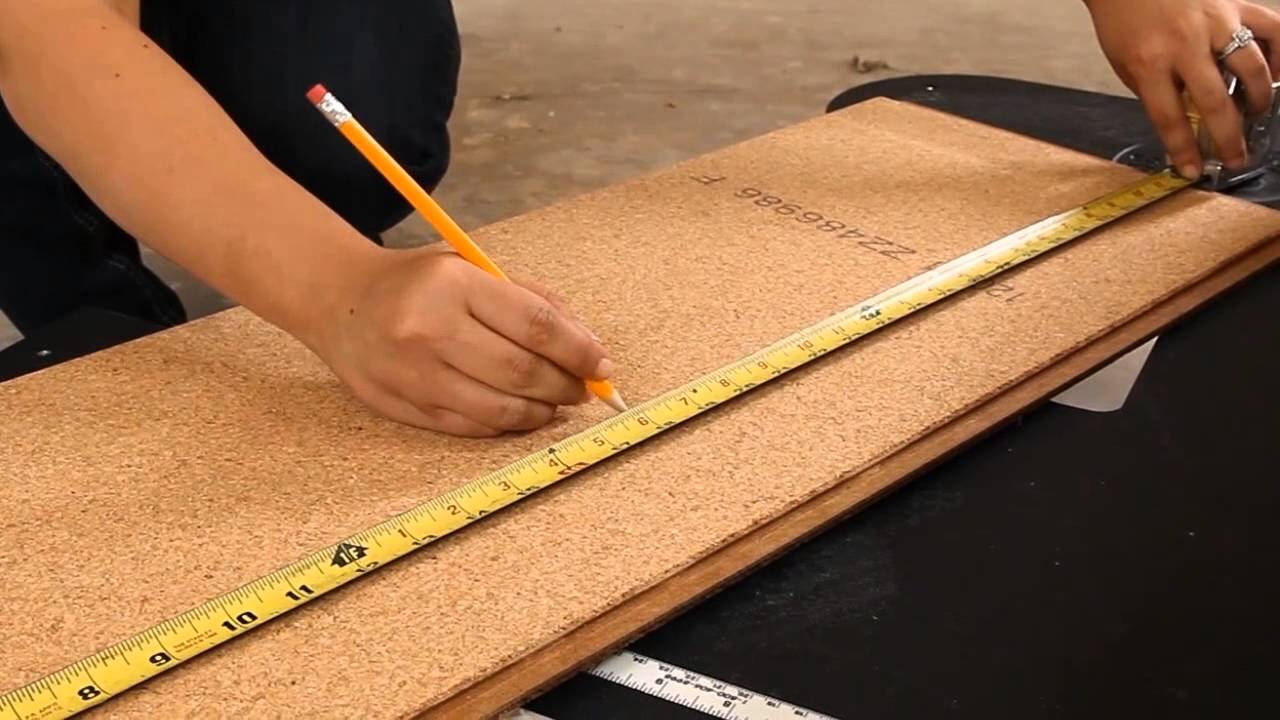
Preparation is a crucial first step to ensure the long-term success of your cork tile floor. Begin by allowing the cork tiles to acclimate in the room where they’ll be installed for at least 48 to 72 hours. This helps them adjust to the temperature and humidity of the space, reducing the risk of expansion or contraction after installation. The subfloor must be clean, dry, level, and smooth—whether it’s plywood, concrete, or another suitable surface. Any bumps or dips can telegraph through the cork over time, so use a leveling compound if needed. For glue-down installations, a primer may be required on the subfloor to enhance adhesive bonding. Floating cork tiles may require an underlayment, especially over concrete, to act as a moisture barrier and improve acoustics.
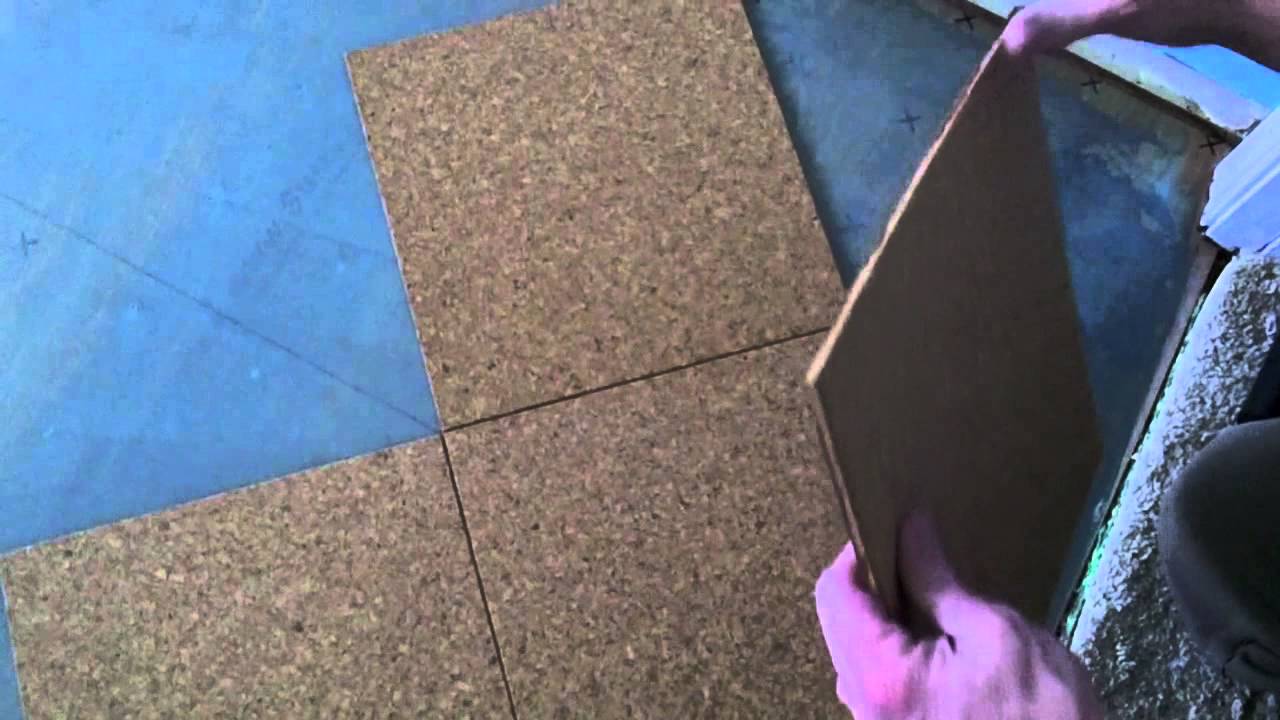
Installing glue-down cork tiles requires precision and patience but results in a seamless, custom-fitted floor. Start by snapping chalk lines to divide the room into quadrants and working from the center outwards, which helps maintain balance and symmetry in the layout. Apply a water-based contact adhesive to both the subfloor and the back of the cork tiles, letting it dry until tacky, as per the manufacturer’s instructions. Then, carefully press the tiles into place, aligning edges tightly to avoid gaps. Roll the floor with a 100-pound floor roller to ensure even adhesion and eliminate air pockets. Be mindful to stagger the seams in a brick-like pattern for visual appeal and structural strength.
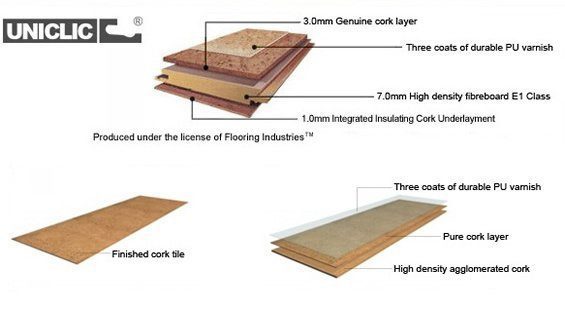
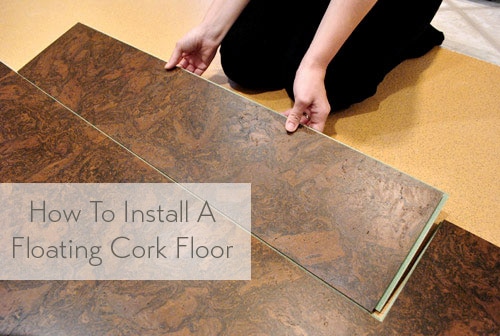
Floating cork tile installation is generally more DIY-friendly and less permanent, making it a great option for temporary flooring needs or spaces where glue is not preferred. These tiles are typically engineered with a high-density fiberboard (HDF) core and a cork veneer, and they feature click-lock edges for easy assembly. Start along the longest wall, using spacers to maintain an expansion gap (usually 1/4 to 1/2 inch) around the room’s perimeter. Fit the tiles together by angling one into the next and pressing them down to lock in place. Continue row by row, staggering the joints for visual variation and stability. Once complete, remove spacers and install baseboards or quarter-round moldings to cover the expansion gap.
After the tiles are installed, finishing touches and maintenance will help extend the life and beauty of your cork flooring. If you’ve used unfinished cork tiles, you’ll need to apply a protective sealant—typically a water-based polyurethane—to guard against moisture and wear. Even pre-finished tiles may benefit from an extra coat for added protection. Regular maintenance includes sweeping or vacuuming to remove grit, and occasional damp mopping with a pH-neutral cleaner. Avoid excessive water or harsh chemicals, as cork is naturally absorbent. With proper care, cork tile flooring can last for decades, offering not only a unique look and feel but also resilience, insulation, and sustainability that few other flooring materials can match.
How to Install Cork Flooring- Cork Flooring Installation Made Easy
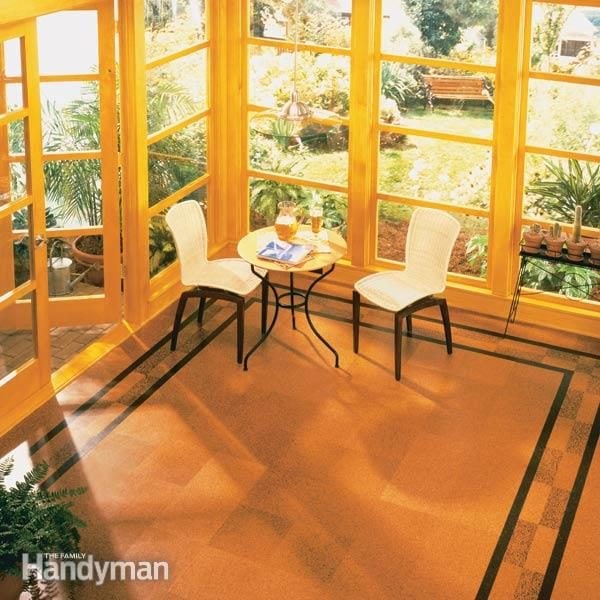
How to Install Cork Tile Flooring (DIY) Family Handyman

How To Install A Floating Cork Floor Young House Love
How to Install Cork Tile Flooring (DIY) Family Handyman
Cork Flooring Installation Guide Cost of Cork Flooring
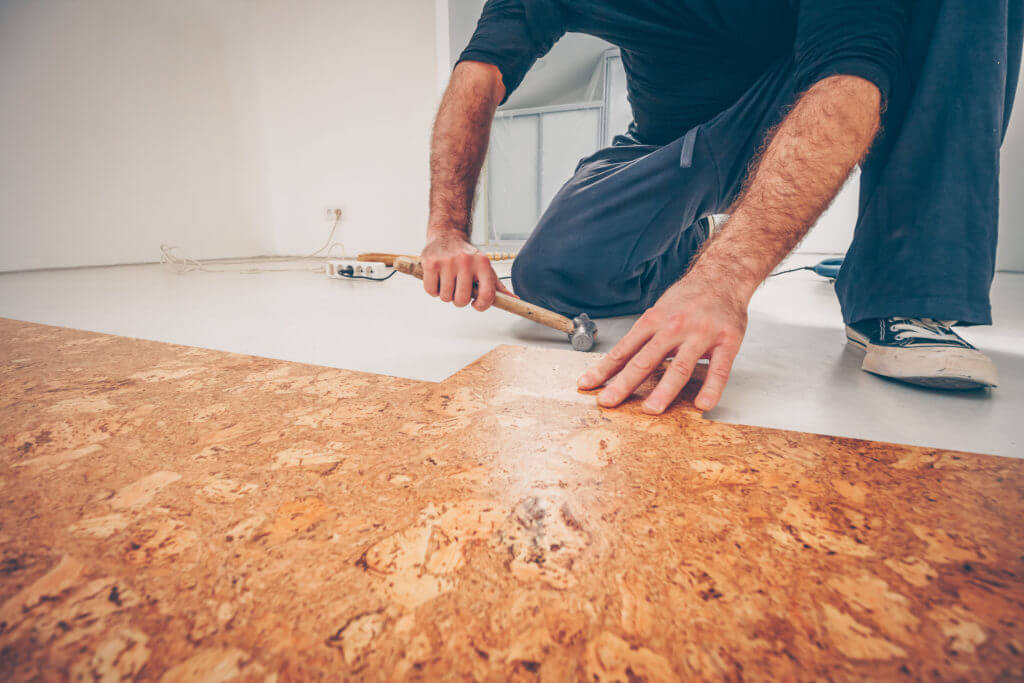
How To Install A Floating Cork Floor Young House Love Cork

What Is Cork Floating Flooring? – Cancork

Cork Flooring Reviews: Pros and Cons, Cost, Best Brands and

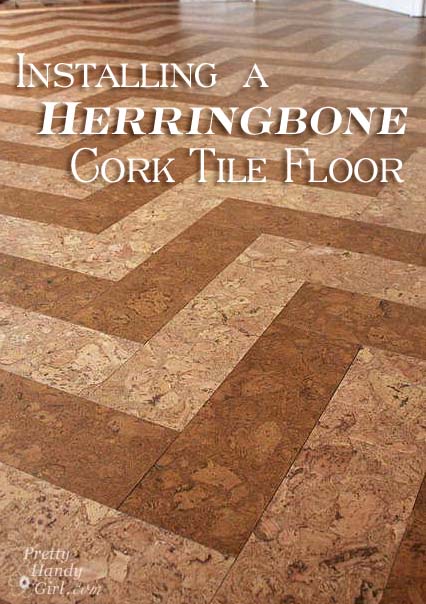
Installing Cork Tile Flooring in the Kitchen – Pretty Handy Girl
Related Posts: