I discovered cork flooring five years ago when renovating my home office, drawn to its natural warmth and eco-friendliness. However, preserving that lovely honey-colored surface proved more difficult than I expected. Traditional wood polish left streaky residues, dulling the cork’s natural sheen. After several futile attempts with conventional products, I discovered a specialized cork floor polish that restored the original brilliance. The change was astonishing, restoring the rich depth while preserving against daily wear patterns.
My first cork polishing attempt taught me important lessons in product selection and application techniques. Water-based formulations outperform oil-based alternatives, which can penetrate too deeply into cork’s porous nature. I learnt to test things in inconspicuous areas first, which saved me from potential calamities. The polish should improve the cork’s natural appearance without adding artificial gloss. Cheap products frequently contain harsh chemicals that harm the cellular structure of cork over time, thus quality is extremely important.
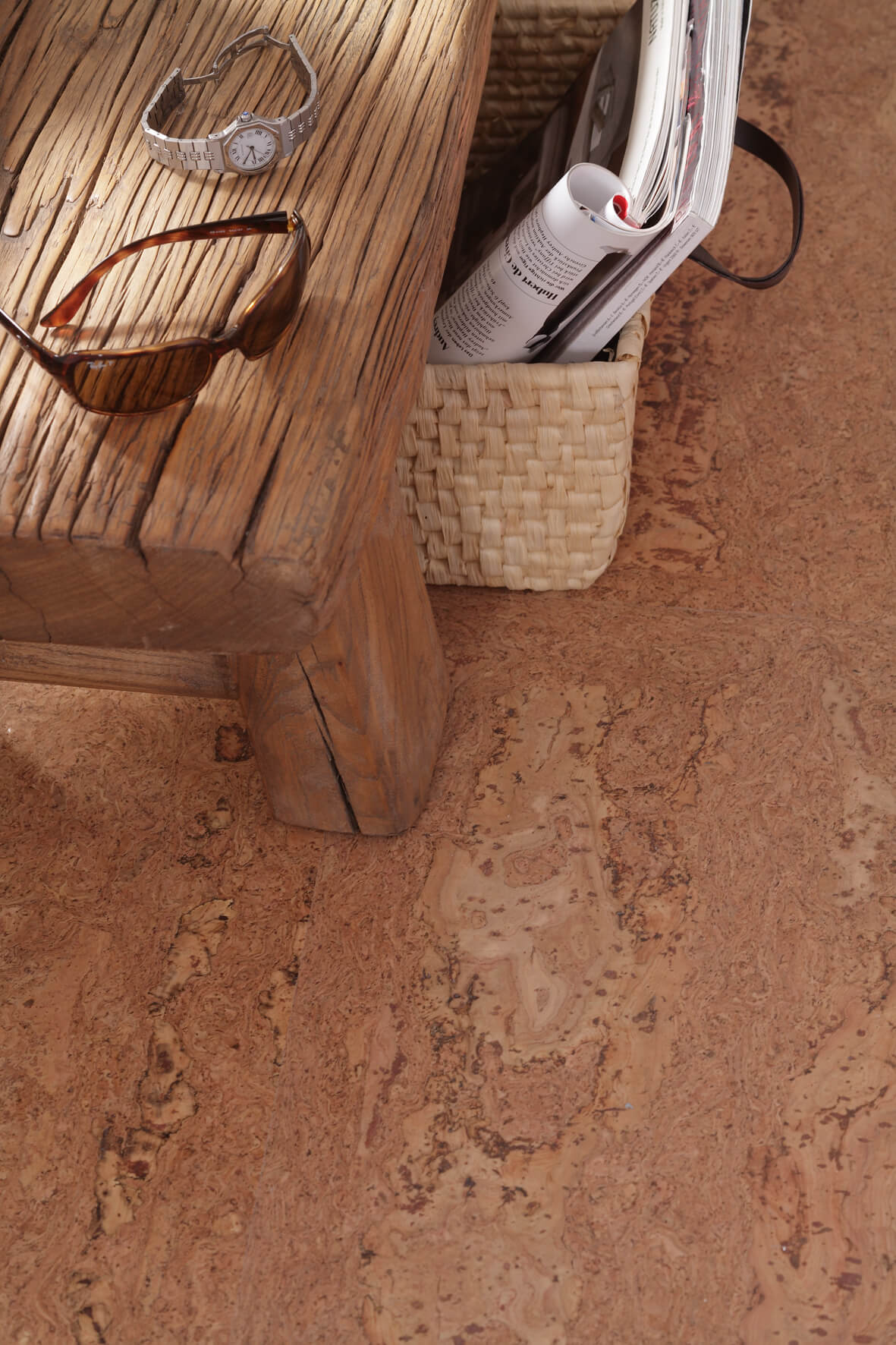
Preparation became critical for getting professional-looking outcomes from cork floor polish. I vacuum thoroughly to eliminate all debris, paying special attention to the valleys between planks where dirt collects. Damp mopping with pH-neutral cleansers eliminates sticky residues that prevent polish adhesion. The floor must be thoroughly dry before treatment, which requires patience in humid weather. I discovered that hurrying through this stage results in uneven coverage and premature polish failure in high-traffic areas.
The ultimate appearance and longevity of cork floor polish are determined by the application technique used. I use microfiber applicators to evenly spread product without creating streaks or accumulation. Working in small parts prevents the polish from drying before it has spread entirely. Thin, even coatings yield better outcomes than single, thick applications. The figure-eight motion I used provides comprehensive covering while eliminating lap marks. Temperature and humidity influence drying durations, necessitating flexibility in my polishing routine.

My experience has shown that the frequency of polishing is significantly influenced by foot traffic and environmental conditions. High-traffic areas, such as corridors, require care every two months, but bedrooms only require polishing quarterly. I keep an eye on the floor’s appearance and reapply when it becomes dull or worn. Over-polishing can cause a buildup of debris and make the surface appear hazy. Seasonal changes have an impact on cork’s appearance, with winter heating systems diminishing natural oils that contribute to the lovely patina.
When choosing cork floor polish, I discovered that product contents are more important than I expected. Natural wax-based formulations offer superior protection while still allowing cork to breathe freely. Synthetic polymers provide long-lasting barriers, but they can trap moisture underneath, causing cork to deteriorate. I choose products that incorporate carnauba wax and natural oils to accentuate cork’s natural beauty. Avoiding ammonia and strong solvents helps to protect the delicate cellular structure of cork.
Troubleshooting common polishing issues needed some experimentation and patience on my part. Streaky looks are frequently the result of excessive application or poor surface preparation. I use clean microfiber wipes to remove extra polish while it is still wet. White residue indicates incompatible materials or moisture beneath the cork. Uneven shine is often caused by variable application pressure or worn applicator pads. Addressing these concerns immediately helps to prevent irreversible surface damage.
The storage and handling of cork floor polish has an impact on product performance and safety. I keep containers in cool, dry places away from direct sunshine and temperature extremes. Freezing can separate components, making products ineffective. Proper ventilation during application reduces fume buildup in enclosed locations. I always read safety data sheets and utilize the proper protective equipment. The disposal of spent applicators and excess polish complies with local environmental requirements.
Cork floor polish is a cost-effective investment in the longevity of my flooring. Quality products are more expensive initially, but they require less frequent application and provide better protection. To provide realistic comparisons, I compute expenditures per square foot rather than per container. Professional application services charge high fees, making DIY alternatives financially appealing. The extended life of well-maintained cork floors more than compensates for the continuous polishing costs.
Living with cork floors taught me that good polishing improves both appearance and durability significantly. With proper management, cork’s natural antibacterial characteristics remain effective. Regular polishing helps to prevent deep stains and structural damage, which can be expensive to repair. After five years of constant maintenance, my cork flooring show minimal deterioration. The warm, soft surface delivers daily pleasure while retaining its original character using suitable polishing processes.

How frequently should I maintain my cork floors?
The frequency with which polishing is performed is determined on traffic volume and environmental factors. High-traffic areas require maintenance every 6-8 weeks, but low-traffic areas can go 3-4 months between applications. Instead of adhering to strict schedules, I evaluate the appearance of my floors. When the surface becomes dull or shows wear patterns, it’s time for a new polish. Over-polishing causes accumulation, therefore less is more when it comes to cork upkeep.
Can I use standard wood floor polish to cork flooring?
Because of the differences in porosity and composition, regular wood polish is ineffective on cork floors. Wood polishes can penetrate too deeply into cork’s cellular structure, resulting in discolouration or damage. I discovered this the hard way, with streaky and variable outcomes. Cork-specific polishes are designed to take advantage of the material’s inherent qualities. Using the right chemicals minimizes costly damage and preserves the floor’s inherent beauty and protective properties.
What is the best way for applying cork floor polish?
Microfiber applicators provide the most even coverage, with no streaks or residue. I work in small portions and use figure-eight patterns to achieve comprehensive covering. Thin, repeated coatings perform better than single thick applications. Before you begin, ensure that the floor is totally clean and dry. I keep damp edges to avoid lap marks and allow enough drying time between applications for best results.
How do I remove old polish buildup from cork floors?
To remove old polish buildup from cork floors, use gentle stripping products specifically developed for cork flooring. I apply pH-neutral strippers gently using microfiber pads. Work in small pieces and immediately remove any dissolved residue with clean, moist towels. Multiple light treatments are more effective than intensive scrubbing. Before applying fresh polish, allow it to completely dry. Professional assistance may be required for serious accumulation that resists gentle cleaning methods.
Is cork floor polish OK for households with pets and children?
Most high-quality cork polishes employ water-based, low-VOC formulations that are acceptable for indoor usage. I carefully inspect product labels for safety certificates and ingredient listings. Ensure adequate ventilation during application and let it dry completely before allowing foot circulation. Natural wax-based products have less health hazards than synthetic ones. Store things securely away from children and pets, following the manufacturer’s safety guidelines.
Can cork floor polish remove scratches and minor damage?
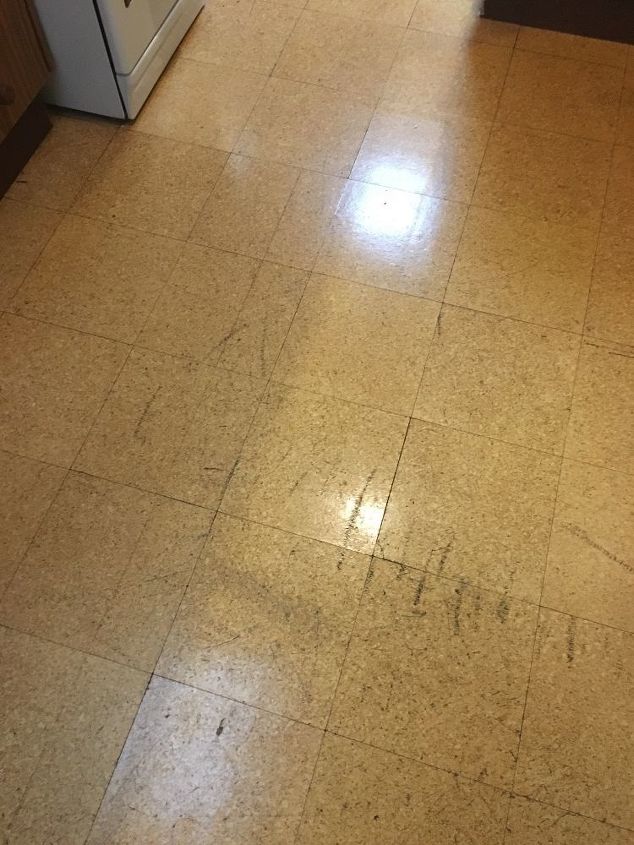
Polish can reduce the appearance of mild surface scratches by filling up minor defects and restoring a consistent gloss. However, significant gouges or structural damage must be repaired before polishing. I’ve successfully covered minor scuffs and worn marks with the right polish treatment. The goal is to match the polish to your cork’s original finish level. Before undergoing cosmetic treatments, severe damage should be evaluated by an expert and plank replacement may be necessary.
Can I Paint Over Cork Floor Tiles – Carpet Vidalondon
installing cork flooring
Cork and Rubber Products on Pinterest Cork Flooring, Corks and Capri

Timber Floor Maintenance Products from Synteko
Related Posts: