Two years ago, I faced a dilemma that many homeowners encounter: finding bathroom flooring that combined beauty, comfort, and environmental responsibility. Traditional ceramic tiles felt cold underfoot, while luxury vinyl seemed to contradict my sustainability goals. After extensive research, I discovered cork flooring, a natural material that promised warmth, water resistance, and eco-friendliness. My initial skepticism about using cork in a high-moisture environment quickly transformed into excitement as I learned about modern cork’s impressive performance characteristics and stunning design possibilities.
Understanding cork’s natural properties became essential before committing to this unconventional bathroom flooring choice. Cork comes from the bark of cork oak trees, which regenerates every nine years without harming the tree, making it one of the most sustainable flooring options available. The cellular structure that makes cork excellent for wine bottles also provides natural antimicrobial properties, moisture resistance, and thermal insulation. These characteristics made cork surprisingly well-suited for bathroom applications, challenging my preconceptions about what materials work in wet environments.

Selecting the right type of cork flooring required careful consideration of different manufacturing processes and installation methods available today. I discovered that engineered cork tiles with vinyl or HDF cores offered superior water resistance compared to solid cork planks. Floating floor systems allowed for easier installation over existing subfloors, while glue-down tiles provided more stability in high-moisture areas. After comparing options, I chose floating engineered cork tiles with beveled edges that created subtle definition between pieces while maintaining excellent water protection through proper sealing.
Installation day revealed both the challenges and advantages of working with cork flooring in bathroom spaces. The material’s flexibility made cutting around fixtures easier than ceramic tiles, while its lightweight nature simplified handling during installation. However, achieving proper moisture barriers and edge sealing required extra attention to prevent water infiltration. My contractor emphasized the importance of high-quality underlayment and careful sealing around tubs, showers, and toilets. The installation took longer than expected but resulted in a perfectly sealed, professional finish.
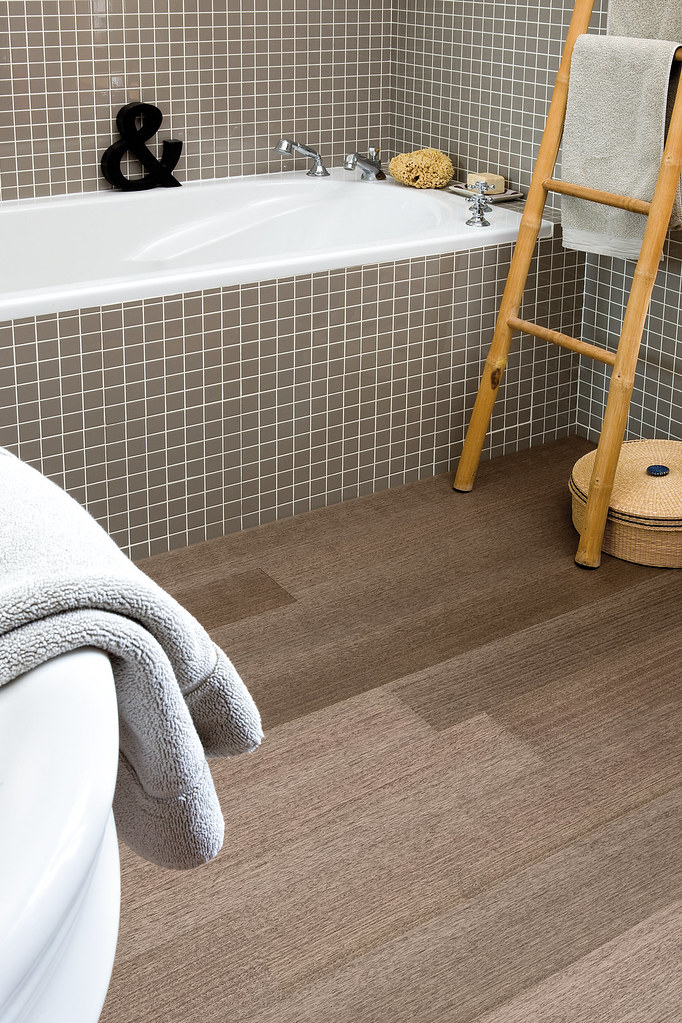
The comfort factor of cork flooring exceeded my highest expectations from the very first morning after installation. Unlike cold ceramic tiles that shocked my feet during early morning bathroom visits, cork provided natural warmth and cushioning that made standing more comfortable. The thermal insulation properties meant the floor temperature remained consistent regardless of outside weather conditions. This comfort improvement transformed my daily routines, making tasks like applying makeup or styling hair much more pleasant during longer periods of standing on the bathroom floor.
Maintenance requirements proved surprisingly manageable once I established proper cleaning routines specifically designed for cork flooring in bathroom environments. Daily sweeping removed surface debris, while weekly damp mopping with cork-appropriate cleaners maintained the finish without causing damage. I learned to immediately wipe up water spills and ensure bathroom ventilation prevented excessive moisture buildup. The natural antimicrobial properties of cork actually helped resist mold and mildew growth, making maintenance easier than anticipated for a natural material in humid conditions.
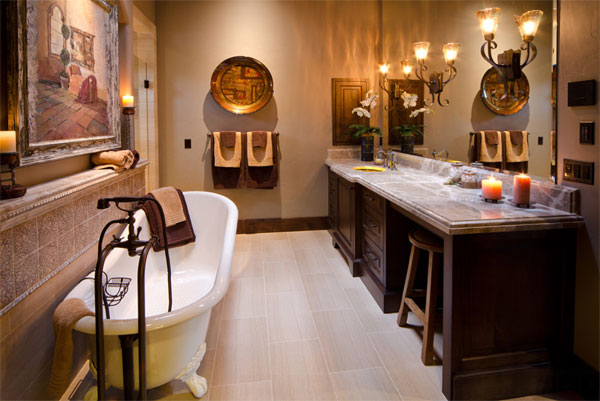
Design flexibility allowed me to create a unique aesthetic that perfectly matched my bathroom’s overall style and color scheme. Cork flooring comes in numerous colors, patterns, and textures that range from traditional natural cork appearance to modern interpretations with bold colors and geometric designs. I chose a medium-toned cork with subtle grain patterns that complemented my white fixtures while adding warmth and organic texture. The natural variation in cork created visual interest without overwhelming the space’s clean, minimalist design approach.
Addressing water resistance concerns required understanding proper sealing techniques and maintenance schedules to ensure long-term performance in bathroom environments. High-quality polyurethane finishes provided excellent water protection when applied correctly and maintained regularly. I learned that resealing every few years maintains optimal water resistance, while immediate attention to any finish damage prevents moisture infiltration. Proper ventilation and prompt cleanup of standing water are essential for preventing problems, but these requirements are manageable with basic bathroom maintenance habits.

Cost considerations made cork flooring an attractive middle-ground option between budget materials and luxury alternatives like natural stone or hardwood. My bathroom renovation cost approximately $8-12 per square foot including materials and professional installation, which compared favorably to ceramic tile while offering superior comfort and environmental benefits. The durability of quality cork flooring means it should last 15-20 years with proper maintenance, making the initial investment reasonable when calculated over the flooring’s expected lifespan.
Living with cork bathroom floors for two years has reinforced my satisfaction with this unconventional choice. Guests consistently comment on the unique appearance and surprising comfort, while I appreciate the environmental benefits and practical advantages. The flooring has maintained its appearance and performance despite daily use, occasional water exposure, and normal bathroom conditions. My cork flooring experiment has succeeded beyond expectations, proving that sustainable materials can provide both beauty and functionality in challenging residential applications like bathroom environments.
Is cork flooring truly waterproof and suitable for bathroom installations?
Modern engineered cork flooring with proper sealing can be highly water-resistant, though not technically waterproof like ceramic tiles. The key is choosing quality products with vinyl or HDF cores and ensuring professional installation with appropriate moisture barriers. My cork floors have performed excellently in bathroom conditions for two years without water damage. Proper ventilation, prompt cleanup of spills, and regular resealing maintain water resistance. While solid cork isn’t recommended for bathrooms, engineered versions specifically designed for wet areas offer reliable performance when properly installed and maintained.
How does cork flooring feel underfoot compared to ceramic tiles in bathrooms?
Cork flooring provides dramatically superior comfort compared to ceramic tiles, offering natural warmth and cushioning that makes standing more comfortable. The cellular structure acts as natural insulation, keeping floors at consistent temperatures regardless of weather conditions. I particularly appreciate the difference during morning routines when ceramic tiles would feel shockingly cold. The slight give in cork reduces fatigue during longer periods of standing, making tasks like applying makeup or styling hair more comfortable. This comfort improvement has been one of the most noticeable benefits of choosing cork over traditional bathroom flooring.

What maintenance is required to keep cork floors looking good in bathroom environments?
Cork bathroom floors require regular but simple maintenance to preserve their appearance and water resistance. Daily sweeping removes debris that could scratch the finish, while weekly damp mopping with pH-neutral cleaners maintains cleanliness. Immediate cleanup of water spills prevents potential damage, and ensuring proper bathroom ventilation controls moisture levels. The finish should be resealed every 3-5 years depending on usage and wear patterns. Avoiding harsh chemicals and using cork-specific cleaning products preserves the natural properties and extends flooring life. Overall maintenance is comparable to hardwood floors.
How much should I expect to spend on cork flooring for an average-sized bathroom?
Cork flooring costs vary based on quality, style, and installation complexity, but expect $6-15 per square foot for materials. My 50-square-foot bathroom cost approximately $400-600 for mid-range engineered cork tiles. Professional installation adds $3-6 per square foot, bringing total costs to $550-900 for a typical bathroom. Higher-end designer cork or complex layouts increase expenses. While more expensive than basic vinyl or laminate, cork offers superior comfort, environmental benefits, and durability that justify the investment. The 15-20 year lifespan makes the cost-per-year reasonable compared to cheaper alternatives requiring frequent replacement.
What styles and colors are available in cork flooring for bathroom design?
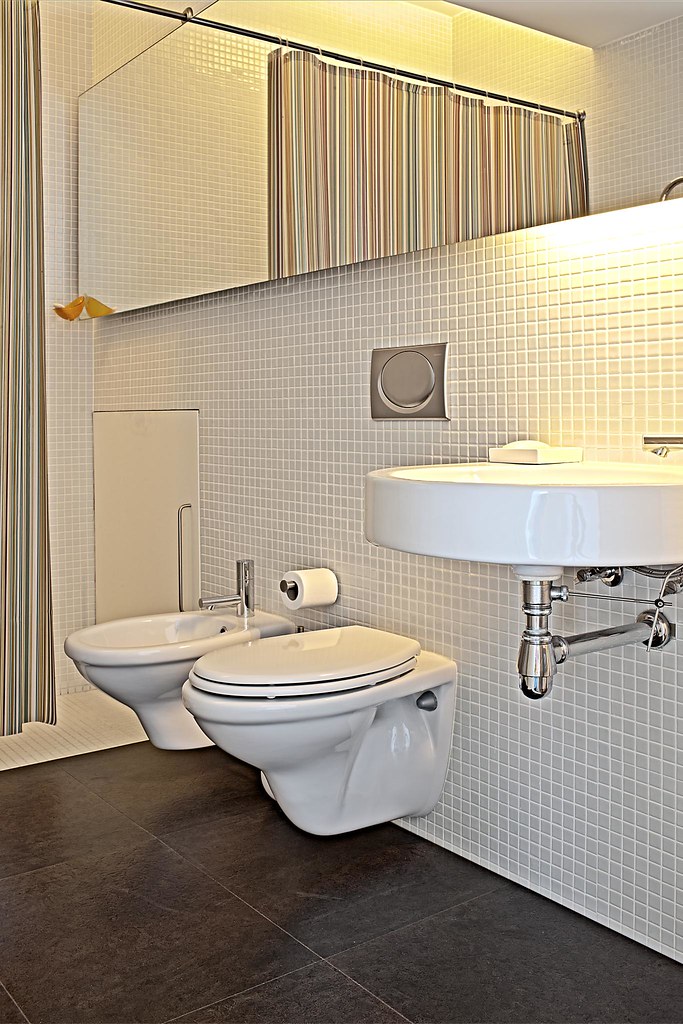
Cork flooring offers surprising design variety beyond the traditional natural cork appearance most people expect. Modern manufacturing creates options ranging from bleached white and gray tones to rich browns and even bold colors like blue or green. Textures vary from smooth surfaces to pronounced grain patterns, while some products mimic wood plank or stone appearances. I chose a medium natural tone with subtle grain that added warmth without overwhelming my bathroom’s clean aesthetic. Many manufacturers offer coordinating wall tiles or accent pieces that create cohesive design schemes throughout bathroom spaces.
Can cork flooring be installed over existing bathroom floors, or does everything need to be removed?
Cork flooring installation requirements depend on existing conditions and chosen installation method. Floating cork floors can often be installed over existing vinyl, linoleum, or ceramic tiles if the surface is level, clean, and structurally sound. However, removal of existing flooring typically provides better results and allows proper moisture barrier installation. My contractor removed old vinyl to ensure optimal preparation and sealing. Glue-down cork installations usually require complete removal of existing materials. Professional assessment determines the best approach based on subfloor conditions, moisture concerns, and specific product requirements for your bathroom situation.

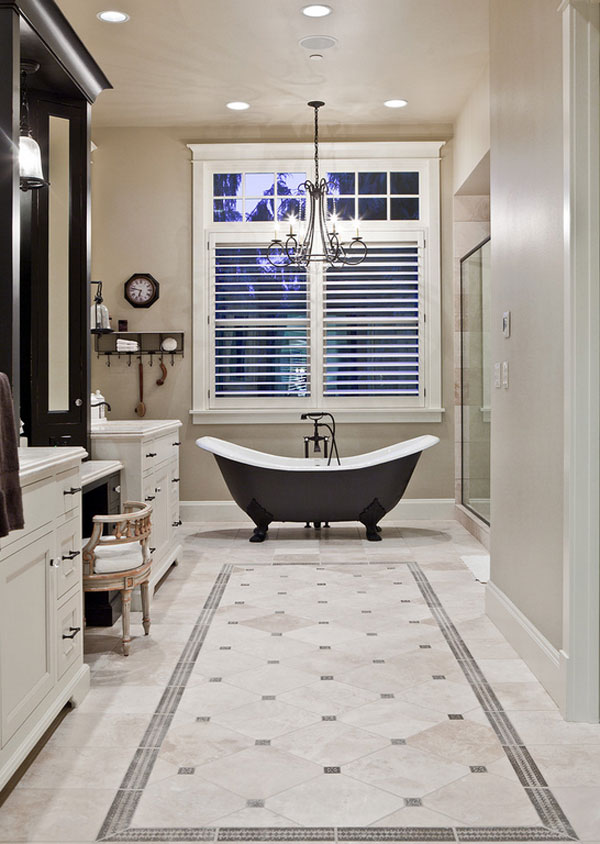
Depiction of Cork Floor In Bathroom: Eco Friendly and Durable Bathroom Flooring Cork flooring

Collections of Classy Bathroom Flooring Ideas Home Design Lover
Globus Cork Eco-Friendly Flooring Brooklyn NY Cork flooring, Cork flooring kitchen, Flooring

36+ Beautiful Alternative Flooring Ideas Image – Decornish [dot] com Alternative flooring

Related Posts: