Three years ago, I made what many considered a risky decision: installing cork flooring in my kitchen. Friends raised eyebrows, contractors questioned my sanity, and even my mother worried about water damage and wear patterns. But after extensive research and growing tired of the cold tile that made standing at the stove uncomfortable, I took the plunge. Looking back now, it ranks among the best home improvement decisions I’ve ever made, though the journey taught me plenty about what works and what doesn’t with this unique material.
The decision process started when I realized my old ceramic tile was literally a pain to live with. After years of cooking elaborate weekend meals and daily breakfast prep, my knees and back were screaming from standing on that unforgiving surface. I needed something warmer and more comfortable underfoot, but traditional hardwood seemed impractical given my tendency to spill water while washing dishes. Cork emerged as the perfect compromise: naturally antimicrobial, comfortable to stand on, and surprisingly water-resistant when properly sealed.
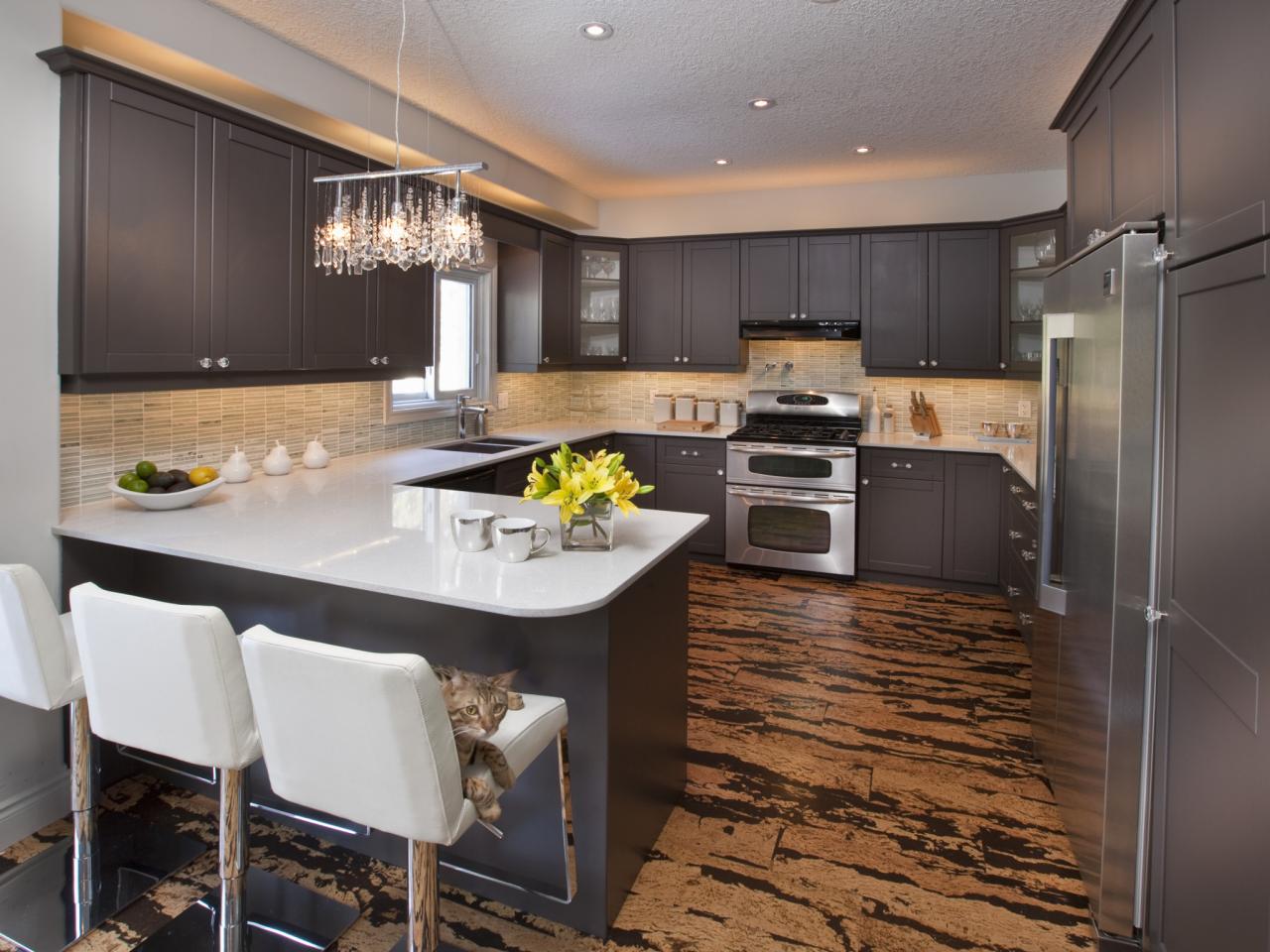
Installation day arrived with a mix of excitement and anxiety. I chose floating cork planks with a click-lock system, which my installer said would be more forgiving than glue-down tiles if moisture ever became an issue. The subfloor preparation proved crucial, requiring perfect level and smooth surfaces since cork shows every imperfection beneath. We spent extra time ensuring proper vapor barriers and transition strips, especially around the dishwasher and sink areas, where water exposure would be highest.
The first few weeks required adjusting my cleaning habits completely. Unlike my old tile floors that could handle aggressive mopping, cork demanded gentler care. I invested in a microfiber mop system and pH-neutral cleaners specifically designed for cork surfaces. The learning curve was steep initially, but once I established a routine of daily sweeping and weekly damp mopping, maintenance became second nature. Spills required immediate attention, but I quickly learned that sealed cork actually handles minor water exposure better than expected.
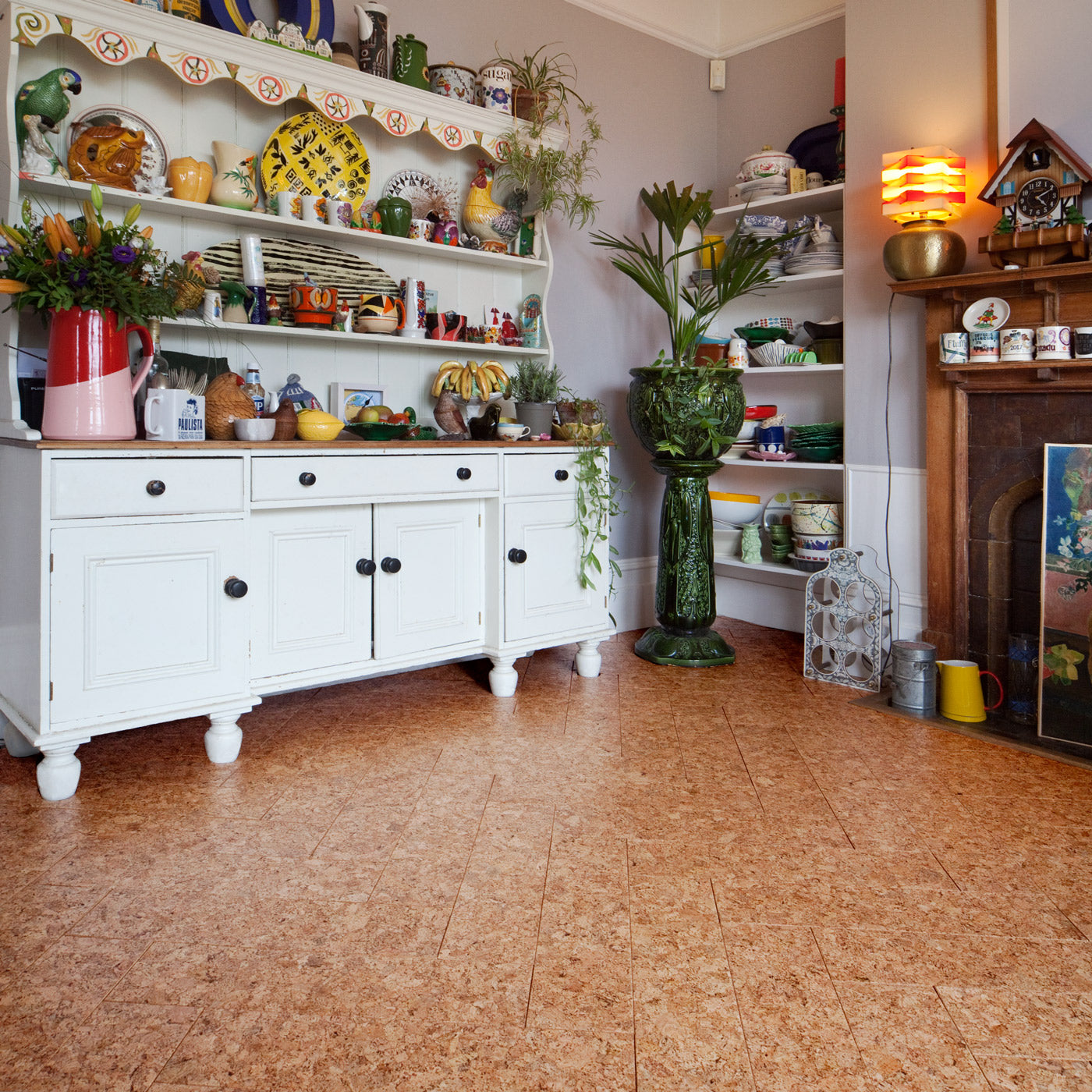
What surprised me most was how much the temperature difference affected my daily cooking experience. The natural insulation properties of cork mean my kitchen floor stays comfortable year-round, even during harsh winters when tile floors become uncomfortably cold. Standing barefoot while making morning coffee became genuinely pleasant rather than a quick dash across freezing surfaces. This comfort factor alone justified the investment, especially during long cooking sessions and holiday meal preparations.
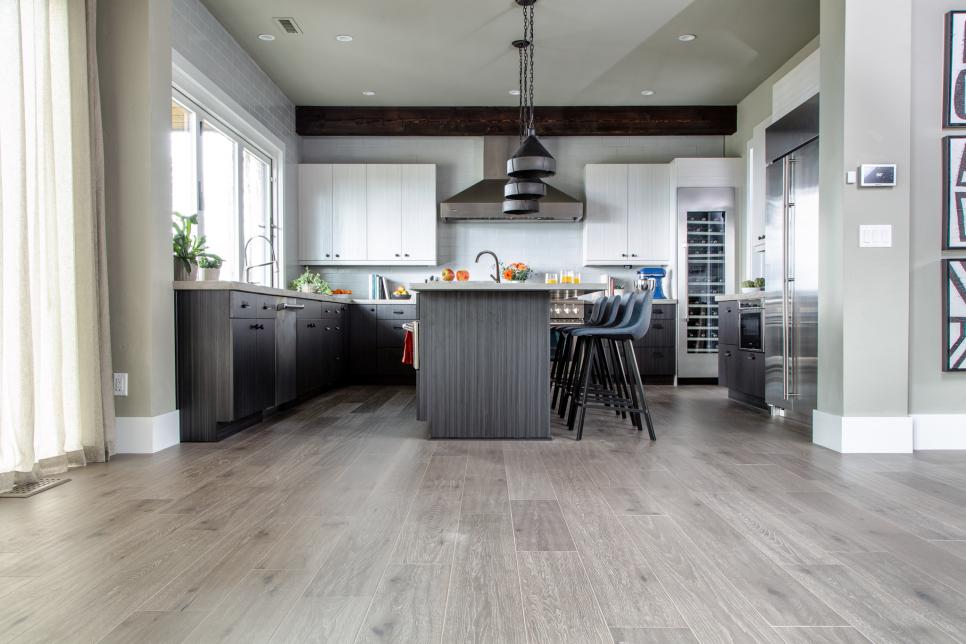
The aesthetic impact exceeded my expectations in ways I hadn’t anticipated. The natural grain patterns and warm honey tones of my cork planks complement both my white cabinets and stainless steel appliances beautifully. Unlike uniform tile patterns, each plank has subtle variations that create visual interest without being busy or distracting. The matte finish reflects less light than glossy surfaces, which actually makes the kitchen feel more intimate and cozy, particularly during evening cooking sessions.

Durability testing came naturally through three years of real family life. My teenagers drop everything from homework binders to sports equipment on the kitchen floor daily. The cork has developed some minor indentations near the island where bar stools scrape regularly, but these actually add character rather than looking like damage. The self-healing properties of cork mean small scratches often disappear on their own, and the natural patterns help camouflage normal wear patterns that would be obvious on solid-colored surfaces.
Maintenance evolved into a simple routine that takes minimal time and effort. Daily sweeping with a microfiber dust mop removes debris before it can scratch the surface. Weekly cleaning involves a slightly damp mop with cork-specific cleaner, paying extra attention to high-traffic areas around the sink and stove. Every six months, I apply a thin coat of water-based polyurethane to maintain the protective seal, which takes about an hour and keeps the floor looking fresh and well-protected.

The acoustic benefits became apparent once we started living with the floor daily. Cork naturally absorbs sound, making the kitchen much quieter during meal preparation and cleanup. Dropped utensils don’t clatter as loudly, and conversations flow more easily without the echo effects common with hard tile surfaces. This sound dampening quality makes the kitchen feel more comfortable and less sterile, contributing to the warm atmosphere I was hoping to achieve.
After three years of daily use, occasional disasters, and regular family chaos, I can confidently recommend cork flooring for kitchens with some important caveats. The comfort factor alone makes it worthwhile for anyone who spends significant time cooking and standing in the kitchen. The key is choosing quality materials, ensuring proper installation with adequate moisture protection, and committing to appropriate maintenance routines. When done right, cork provides a unique combination of comfort, beauty, and practicality that’s hard to match with traditional flooring options.
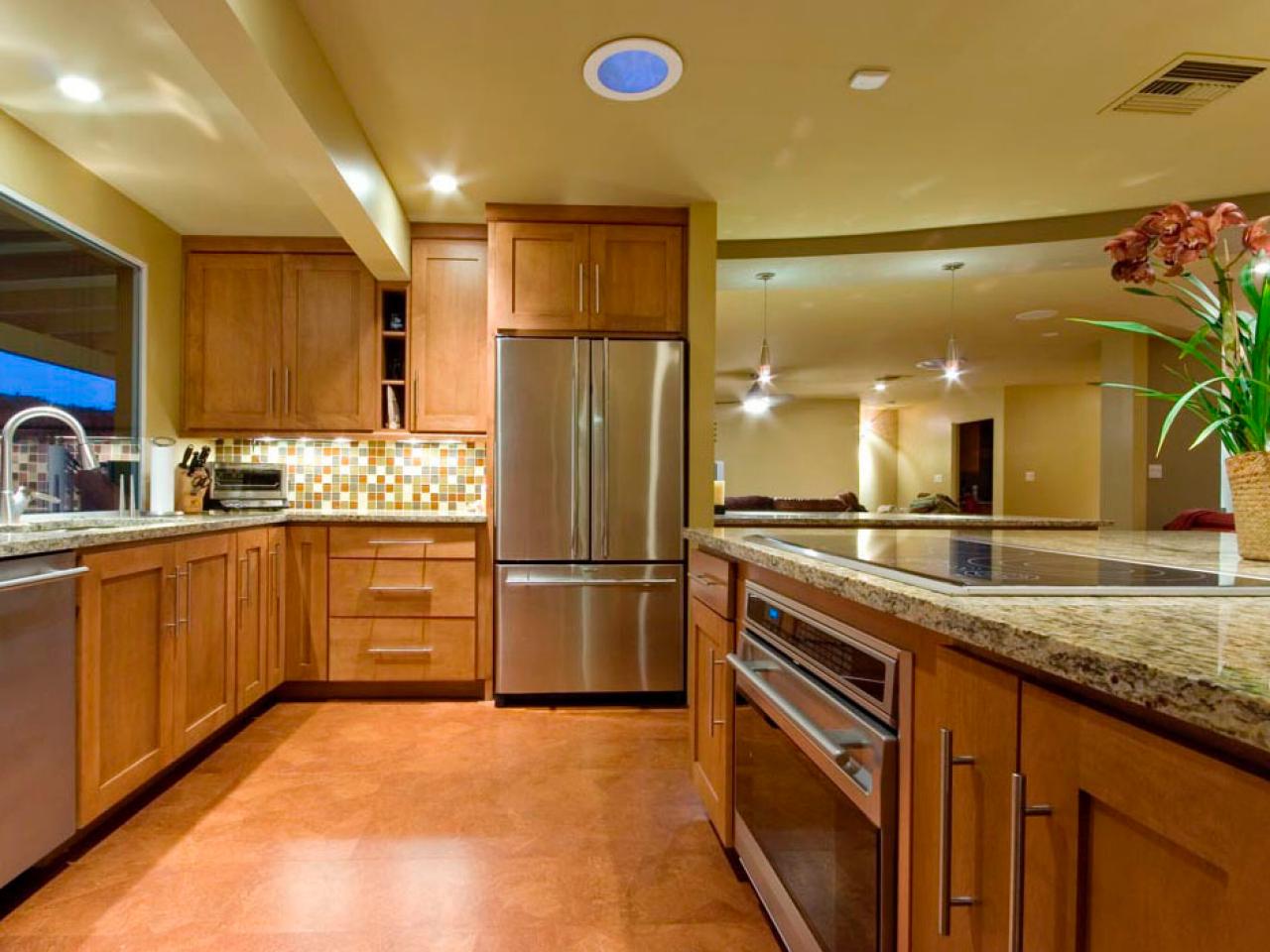
How does cork flooring handle water spills and kitchen moisture?
In my experience, properly sealed cork handles everyday kitchen spills quite well if cleaned up promptly. I’ve had wine spills, pasta water overflows, and even a dishwasher leak incident, and the floor survived without damage. The key is immediate cleanup and maintaining the polyurethane seal. Standing water is still problematic, but normal kitchen moisture from cooking and cleaning hasn’t caused any issues in three years of use.
Is cork flooring really comfortable enough to make a difference during long cooking sessions?
Absolutely! This was the main reason I chose cork, and it exceeded expectations. The natural cushioning and insulation properties make standing for hours while meal prepping genuinely comfortable. My lower back pain from cooking disappeared almost immediately after installation. The temperature stability means bare feet stay comfortable year-round, which tile floors never provided. It’s like having a built-in anti-fatigue mat across the entire kitchen.

What does cork flooring maintenance actually involve, and how time-consuming is it?
Daily maintenance is just sweeping with a microfiber mop, which takes 2-3 minutes. Weekly cleaning involves damp mopping with cork cleaner, maybe 10 minutes total. The bi-annual resealing takes about an hour and costs $30 in materials. Honestly, it’s less work than keeping grout lines clean on tile floors. The key is using the right products and techniques, but once you establish the routine, it’s quite manageable and straightforward.
How much should I budget for quality cork kitchen flooring?
I paid $4.50 per square foot for good quality floating cork planks, plus $2 per square foot for professional installation. My 200 square foot kitchen cost about $1,300 total. Budget options start around $3 per square foot, while premium cork can reach $8-10 per square foot. Factor in underlayment, transition strips, and quality sealers. The investment pays off in comfort and longevity, but it’s definitely more expensive than basic vinyl or laminate options.

Does cork flooring show scratches and dents from normal kitchen use?
Cork does show some wear, but it’s surprisingly forgiving compared to hardwood. Small scratches often heal themselves due to cork’s cellular structure. Chair legs and dropped items create minor indentations, but they blend into the natural grain patterns. High-traffic areas develop a gentle patina that actually looks intentional. The key is choosing cork with varied grain patterns rather than solid colors, which helps camouflage normal wear and aging beautifully.
Can I install cork flooring myself, or should I hire professionals?
I hired professionals and recommend it for kitchens due to moisture considerations and the precision required around appliances and cabinets. Subfloor preparation is critical, and proper vapor barriers are essential. Cutting around complex areas like islands requires experience. While DIY is possible with floating systems, professional installation ensures proper moisture protection and warranty coverage. The cost difference was worth the peace of mind, especially given the kitchen’s water exposure risks.
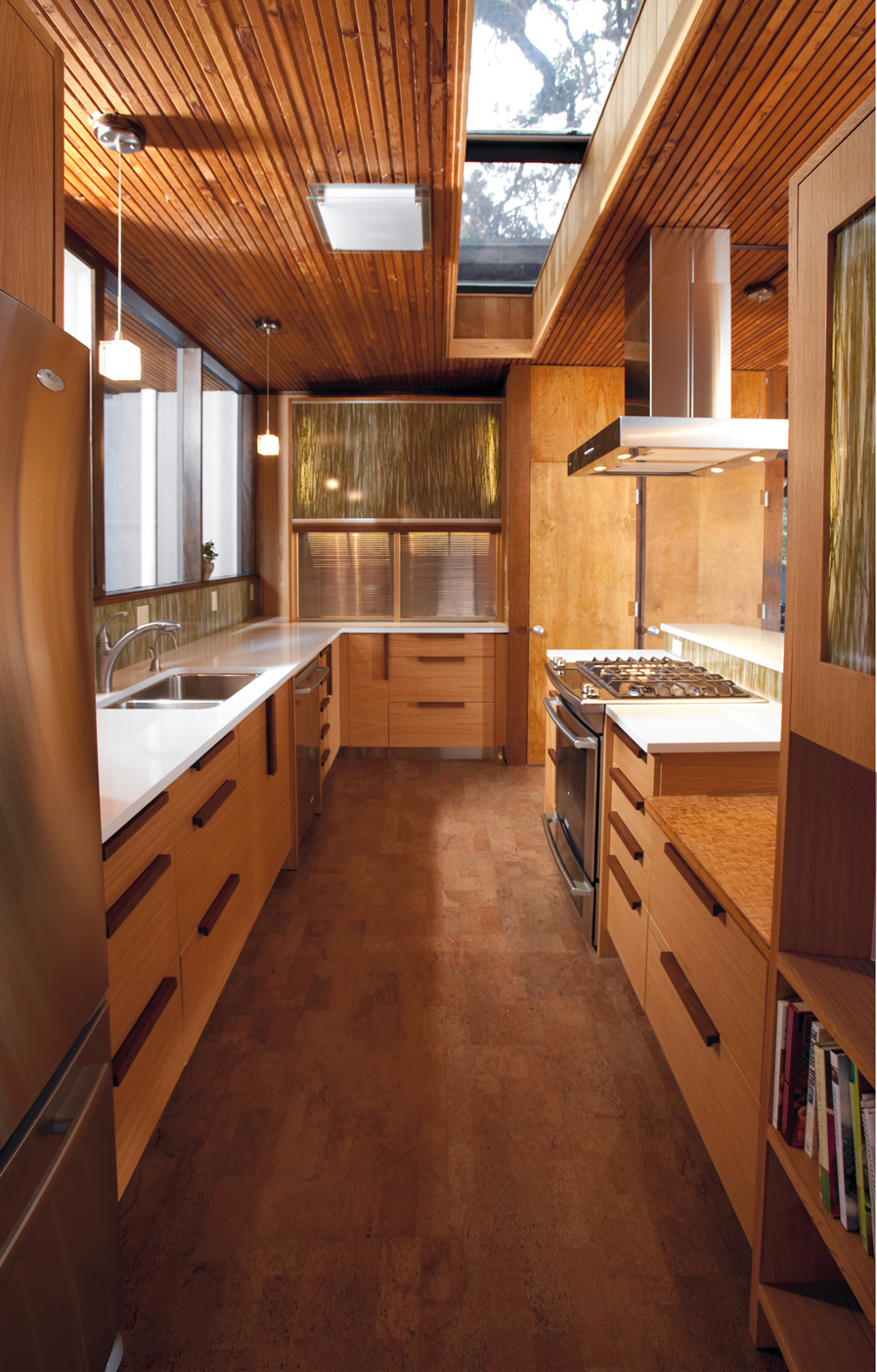
Cork Flooring: Kitchen The options for cork flooring in No… Flickr

Cork Kitchen Flooring

Cork Flooring: Kitchen

Kitchen Flooring Options and Design Ideas
The Best Flooring Options For Senior Citizens
/cork-flooring-in-unfurnished-new-home-647206431-59fd34ccbeba33001a87acb0.jpg)
Mixed Mocha Rigid Core Luxury Vinyl Plank – Cork Back Vinyl plank, Luxury vinyl plank, Flooring

Classic Elegance

Related Posts: