When I first installed bamboo flooring in my home three years ago, I quickly learned that maintaining its natural beauty requires specific techniques and products. Unlike traditional hardwood, bamboo has unique characteristics that demand careful attention to cleaning methods. My initial mistakes taught me valuable lessons about what works and what can damage these stunning floors. The key lies in understanding bamboo’s density and finish variations. Through trial and error, I discovered that gentle, consistent care preserves the rich grain patterns and maintains the floor’s lustrous appearance for years.
My daily cleaning routine for bamboo floors centers around prevention and gentle maintenance techniques that take mere minutes but provide lasting results. I start each morning by sweeping with a soft-bristled broom or using a microfiber dust mop to remove surface debris that could scratch the finish. Pet hair, dust, and small particles accumulate quickly, especially in high-traffic areas near entrances. I’ve found that addressing these particles immediately prevents them from being ground into the surface during normal foot traffic, which can cause permanent damage over time.
:max_bytes(150000):strip_icc()/how-to-clean-bamboo-flooring-1314825-04-db6e64c16c3b47689d628d0f43a7c787.jpg)
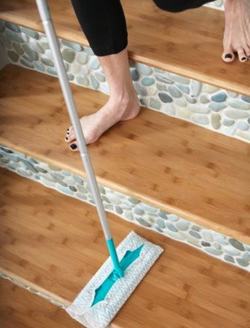
Weekly deep cleaning has become my most important bamboo floor maintenance ritual, requiring specific products and techniques I’ve refined through experience. I use a barely damp microfiber mop with pH-neutral bamboo floor cleaner, never allowing excess water to pool on the surface. My technique involves working in small sections, immediately drying each area with a clean, dry microfiber cloth. This prevents water from seeping into joints between planks, which can cause swelling, warping, or discoloration. The entire process takes about thirty minutes for my 1,200 square foot home.
Selecting appropriate cleaning products for bamboo floors proved more challenging than I initially expected, as many common floor cleaners can cause irreversible damage. I avoid ammonia-based products, vinegar solutions, and abrasive cleaners that can strip the protective finish or cause clouding. My go-to cleaner is specifically formulated for bamboo and engineered wood surfaces, containing no harsh chemicals that might react with the floor’s polyurethane coating. I always test new products in inconspicuous areas first, a lesson learned after a costly refinishing experience early in my bamboo floor journey.

Dealing with spills on bamboo floors requires immediate action and proper technique to prevent permanent staining or water damage that I’ve witnessed in neglected floors. I keep microfiber cloths strategically placed throughout my home for quick response to accidents. For liquid spills, I blot rather than wipe, working from the outside edges toward the center to prevent spreading. Sticky substances require gentle scraping with a plastic scraper, followed by careful cleaning with appropriate bamboo floor cleaner. Food spills get special attention, as acids and oils can penetrate the finish if left untreated.
Addressing scratches and scuff marks on bamboo floors has taught me patience and the importance of using correct restoration techniques rather than harsh abrasives. Light surface scratches often disappear with gentle buffing using a microfiber cloth and small amounts of bamboo floor polish. Deeper scratches may require professional touch-up products that match the floor’s finish. I’ve learned to identify whether damage affects only the surface coating or penetrates into the bamboo itself, which determines the appropriate repair approach. Prevention through furniture pads and area rugs remains my primary strategy.

Seasonal maintenance adjustments have become crucial in my bamboo floor care routine, particularly managing humidity levels that significantly impact bamboo’s stability and appearance. During dry winter months, I use humidifiers to maintain 30-50% relative humidity, preventing gaps and cracking. Summer’s higher humidity requires increased ventilation and sometimes dehumidification to prevent expansion and buckling. I monitor these conditions with digital hygrometers placed throughout my home. Temperature fluctuations also affect bamboo, so I maintain consistent indoor climate control year-round for optimal floor performance.
Professional maintenance services complement my regular cleaning routine, providing deep restoration that extends my bamboo floors’ lifespan significantly beyond basic home care. I schedule professional cleaning annually, which includes specialized equipment and products unavailable to consumers. This service removes embedded dirt, restores shine, and applies protective coatings that enhance durability. The investment, while initially seeming expensive, has proven cost-effective compared to premature replacement or extensive refinishing. Professional assessment also identifies potential problems before they become serious issues requiring major repairs.

Common mistakes I’ve observed and personally experienced can permanently damage bamboo floors, making education crucial for any bamboo floor owner seeking long-term beauty. Over-wetting remains the most frequent error, causing swelling, warping, and finish damage that requires expensive professional intervention. Using inappropriate cleaning products, dragging furniture without protection, and ignoring spills are other costly mistakes. I’ve learned that aggressive scrubbing actually embeds dirt deeper rather than removing it. Understanding bamboo’s unique properties prevents these expensive errors and maintains floor integrity.
My long-term bamboo floor maintenance philosophy emphasizes consistency, appropriate products, and proactive care that preserves both beauty and structural integrity for decades. Regular inspection helps identify wear patterns, allowing strategic placement of protective rugs and furniture rotation. I maintain detailed records of cleaning products used, professional services performed, and any issues encountered. This documentation proves valuable for warranty claims and helps identify effective versus problematic care approaches. The reward for proper maintenance is bamboo flooring that continues looking beautiful while providing sustainable, durable surface for my family’s daily life.
:max_bytes(150000):strip_icc()/how-to-clean-bamboo-flooring-1314825-03copy-ebd7ee5abfa3481099eba52fdca67b67.jpg)
What cleaning products should I avoid when cleaning bamboo floors?
Through my experience, I strongly advise against ammonia-based cleaners, vinegar solutions, bleach, and abrasive scrubbing products that can permanently damage bamboo floor finishes. Steam mops create excessive moisture that can warp planks and should never be used. Oil-based soaps leave residue that attracts dirt and dulls the surface. Furniture polish designed for wood furniture can make bamboo floors slippery and may react poorly with protective coatings. Always choose pH-neutral cleaners specifically formulated for bamboo or engineered wood surfaces.
How often should I deep clean my bamboo floors for optimal maintenance?
My successful bamboo floor maintenance schedule includes daily sweeping or dust mopping, weekly damp mopping with appropriate cleaner, and monthly deep cleaning with specialized products. High-traffic areas may require more frequent attention, while low-use rooms can extend intervals slightly. I perform thorough inspections monthly, checking for wear patterns, scratches, or moisture damage. Seasonal deep cleaning coincides with humidity changes, and I schedule professional cleaning annually. This routine has kept my floors looking new for three years while preventing costly damage or premature replacement needs.
Can I use homemade cleaning solutions on my bamboo floors safely?
After expensive lessons learned from homemade solution experiments, I now recommend against DIY bamboo floor cleaners due to unpredictable chemical reactions with protective finishes. Commercial cleaners undergo extensive testing for compatibility and safety with bamboo surfaces. If you must create homemade solutions, use only distilled water with tiny amounts of mild dish soap, testing in hidden areas first. Vinegar, baking soda, and essential oils can cause discoloration, clouding, or finish damage. The small cost savings aren’t worth risking expensive floor replacement or refinishing.
What should I do immediately after spilling liquid on bamboo floors?
Speed is crucial when liquid contacts bamboo flooring, as prolonged exposure can cause permanent damage I’ve unfortunately witnessed. I immediately blot spills with clean, dry microfiber cloths, working from edges toward the center to prevent spreading. Never let liquids sit or pool on the surface. For sticky spills, I use plastic scrapers gently, followed by appropriate bamboo cleaner and thorough drying. I inspect the area later for any discoloration or swelling. Quick action has saved my floors from expensive repairs multiple times.
:max_bytes(150000):strip_icc()/how-to-clean-bamboo-flooring-1314825-10-12951bf94b654e50a4560c40a3d7417b.jpg)
How do I remove stubborn stains from bamboo flooring without causing damage?
Stubborn stain removal on bamboo requires patience and gentle techniques I’ve developed through careful experimentation. For most stains, I apply bamboo floor cleaner, let it sit briefly, then gently work with a soft cloth in circular motions. Grease stains respond to small amounts of dish soap mixed with water, followed by thorough rinsing and drying. For persistent stains, I use commercial bamboo stain removers according to manufacturer instructions. Deep or set stains may require professional treatment. Avoid abrasive scrubbing, which can damage the protective finish permanently.
What preventive measures help maintain bamboo floors between regular cleanings?
Prevention forms the foundation of my successful bamboo floor maintenance strategy, saving countless hours of intensive cleaning and preventing damage. I use entry mats at all doors to trap dirt and moisture before it reaches the floors. Furniture pads protect against scratches, and I lift rather than drag items across the surface. Area rugs in high-traffic zones distribute wear evenly. I maintain consistent indoor humidity levels and clean spills immediately. Regular nail trimming for pets prevents scratches. These simple preventive measures have extended my bamboo floors’ beauty and lifespan significantly.

How To Clean Bamboo Floors After Installation – Flooring Images

4+ Easy-to-Make Bamboo Floor Cleaner Recipes Bamboo flooring, Bamboo floor cleaner, Floor cleaner

How to Clean Bamboo Flooring
/how-to-clean-bamboo-flooring-1314825-05-7f70b7fdfd374498b10c95d7568baa40.jpg)
Pin on Bamboo floor

How to Clean Bamboo Flooring

How To Clean Bamboo Floors After Installation – Flooring Images

Things To Take Care Of When Cleaning Bamboo Floorings Bamboo Flooring Adelaide
Related Posts: