When I first laid eyes on reclaimed barn wood flooring, something stirred deep within my soul. The weathered planks told stories of decades spent protecting livestock and storing precious harvests. Each board carried unique character marks, nail holes, and color variations that no factory could replicate. I knew immediately that this material would transform my home into something extraordinary. The authenticity and history embedded in every piece promised a floor unlike any other I had ever experienced.
My journey began with sourcing authentic reclaimed barn wood from local farms and salvage operations throughout the countryside. I spent weekends visiting old barns scheduled for demolition, carefully selecting boards with the most compelling character. The process required patience and a keen eye for quality, as not all reclaimed wood meets flooring standards. I learned to identify structural integrity while appreciating surface imperfections that add charm and personality to each plank.

Preparing reclaimed barn wood for flooring installation became an intensive labor of love that tested my dedication to the project. Each board required careful cleaning to remove decades of accumulated dirt, dust, and debris without damaging the natural patina. I discovered that gentle sanding revealed hidden grain patterns while preserving the authentic weathered appearance that makes reclaimed wood so desirable. The cleaning process unveiled beautiful color transitions from silver-gray to warm amber tones.
The milling process transformed rough barn siding into precision-engineered flooring planks suitable for modern installation techniques and standards. I partnered with a local sawmill operator who specialized in reclaimed materials and understood the importance of preserving character while ensuring structural stability. We carefully planned cuts to maximize yield while maintaining the integrity of existing nail holes and weathering patterns that contribute to the authentic rustic appearance.

Installation day brought both excitement and anxiety as I watched skilled craftsmen transform my vision into tangible reality before my eyes. The irregular widths and lengths of reclaimed planks required creative layout planning to achieve optimal visual balance throughout each room. I learned that traditional installation methods needed modification to accommodate the unique characteristics of weathered wood while ensuring long-term stability and performance that meets contemporary flooring expectations.
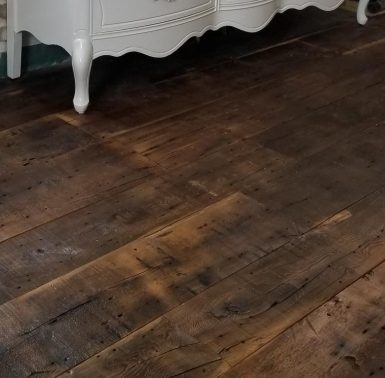
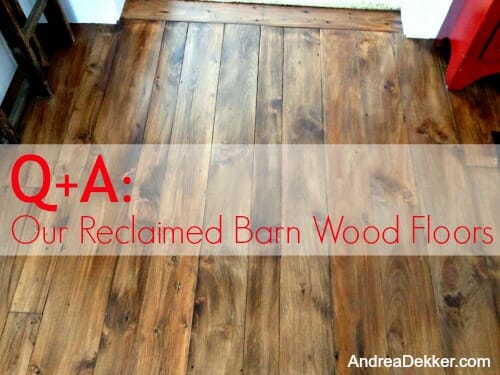
The character variations in reclaimed barn wood created stunning visual interest that constantly surprises visitors and residents alike throughout daily life. Some planks display deep knots and grain swirls that catch light beautifully at different times of day. Others show tool marks from hand-hewn processing techniques used by craftsmen generations ago. The natural color palette ranges from pale silver to rich chocolate brown, creating depth and warmth that synthetic materials simply cannot replicate authentically.

Finishing reclaimed barn wood required careful consideration of products that would protect while preserving the natural character that attracted me initially. I chose penetrating sealers rather than surface coatings to maintain the authentic texture and appearance of weathered wood surfaces. The finishing process enhanced grain patterns while providing necessary protection against daily wear and moisture exposure. Multiple thin coats ensured even coverage without obscuring the natural beauty of the reclaimed material.
Daily living with reclaimed barn wood flooring has exceeded my expectations in terms of durability, comfort, and aesthetic satisfaction over time. The floors develop a beautiful patina with regular use that adds to their character rather than detracting from appearance. Maintenance requirements are minimal compared to other flooring materials, requiring only regular sweeping and occasional damp mopping. The natural antimicrobial properties of aged wood contribute to healthier indoor air quality throughout my home.
The environmental benefits of choosing reclaimed barn wood flooring align perfectly with my commitment to sustainable living practices and responsible consumption. By repurposing existing materials, I prevented valuable timber from ending up in landfills while avoiding the environmental impact of harvesting new trees. The energy savings from reusing existing materials rather than manufacturing new flooring products significantly reduced the carbon footprint of my renovation project while creating something beautiful and functional.
My investment in reclaimed barn wood flooring has proven worthwhile both financially and emotionally as it continues to bring joy daily. The unique character and historical significance of my floors generate constant compliments from visitors who appreciate authentic materials and craftsmanship. Property values increased substantially due to this distinctive feature that sets my home apart from others in the neighborhood. Most importantly, I wake up each morning grateful to walk on floors that connect me to agricultural heritage.

Where can I find authentic reclaimed barn wood suitable for flooring applications?
Local farms, salvage operations, and demolition companies often have authentic reclaimed barn wood available for purchase. Online marketplaces connect buyers with sellers nationwide, though shipping costs can be substantial for large quantities. Architectural salvage yards specialize in reclaimed materials and typically offer quality assurance. Some lumber dealers now carry reclaimed wood products from verified sources. Always inspect materials personally when possible to ensure quality and authenticity before making significant investments in flooring materials.
What should I look for when selecting reclaimed barn wood for my flooring project?
Structural integrity is paramount, so avoid boards with extensive rot, insect damage, or splitting that compromise stability and longevity. Look for consistent thickness and width that will work with your installation plans and room dimensions. Check for embedded metal objects like nails or screws that could damage tools during processing. Color variations should complement your design vision while maintaining reasonable consistency throughout the space. Verify that moisture content levels are appropriate for your climate and installation location requirements.
How much does reclaimed barn wood flooring typically cost compared to new hardwood options?
Reclaimed barn wood flooring generally costs 20-50% more than comparable new hardwood due to sourcing, preparation, and milling expenses involved. Prices vary significantly based on wood species, condition, and regional availability of reclaimed materials. Additional costs include specialized cleaning, milling, and installation services required for reclaimed materials. However, the unique character and environmental benefits often justify higher initial investment costs. Long-term durability and property value increases typically offset premium pricing over time.
What maintenance is required to keep reclaimed barn wood floors looking their best?
Regular sweeping or vacuuming removes dirt and debris that could scratch surfaces during daily foot traffic and activities. Damp mopping with pH-neutral cleaners maintains appearance without damaging wood fibers or protective finishes applied during installation. Avoid excessive water exposure that could cause warping or damage to aged wood materials. Periodic reapplication of penetrating sealers maintains protection while preserving natural character and appearance. Professional refinishing every 10-15 years extends floor life significantly.

Can reclaimed barn wood flooring be installed over radiant heating systems?
Yes, reclaimed barn wood can be installed over radiant heating systems with proper preparation and installation techniques applied carefully. Moisture content must be carefully controlled to prevent expansion and contraction issues with temperature fluctuations throughout heating seasons. Gradual temperature adjustments prevent rapid changes that could damage aged wood materials and cause gaps or warping. Professional installation ensures proper techniques and materials are used for radiant applications. Monitoring systems help maintain optimal temperature and humidity levels.
What are the potential challenges I might face with reclaimed barn wood flooring installation?
Irregular dimensions require more complex layout planning and potentially higher waste factors during installation compared to uniform manufactured products. Hidden metal objects can damage tools and require careful removal before processing begins on individual boards. Varying moisture contents may cause uneven expansion and contraction after installation if not properly equalized beforehand. Some boards may require additional structural support due to age-related weakness in certain areas. Professional installation expertise is often essential for successful completion.

I will have these floors in my house come spring Home Decor Pinterest Wood laminate

engineered rescued ash Flooring, Wood floors, Wood

Barn wood flooring BarnWood Company

Photo #10632 – Gray Barnwood Siding Rustic basement, Basement remodeling, Barn wood

Reclaimed Barn Wood Floors – Brilliant Flooring and Remodeling

Related Posts: