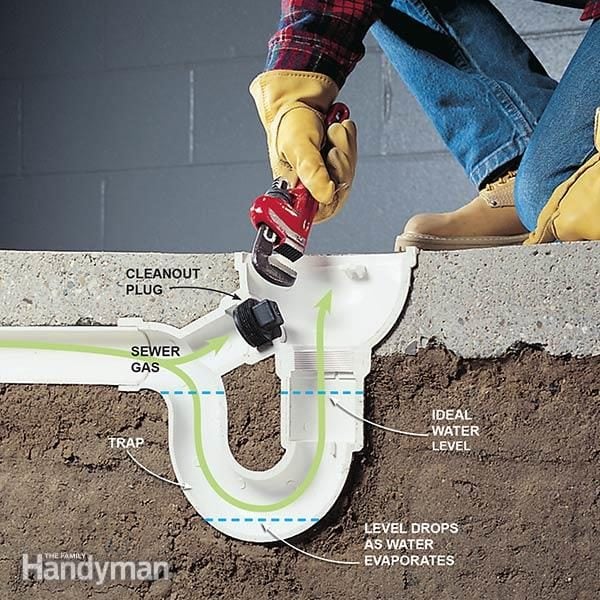
A garage floor drain trap is a crucial component for managing water runoff, preventing clogs, and keeping your garage dry. These traps capture debris and prevent it from entering the drainage system, reducing the risk of blockages. They also help contain unpleasant odors by creating a water seal that blocks sewer gases. Drain traps come in various designs, including P-traps, bottle traps, and floor sink traps, each suited for different applications. Proper installation ensures efficient water flow while maintaining protection against backups. Choosing the right trap depends on your garage’s drainage needs and local plumbing codes. Regular maintenance keeps the system functioning smoothly for years.
The primary function of a garage floor drain trap is to intercept debris before it enters the plumbing system. Dirt, leaves, and small objects can accumulate in the trap instead of flowing into the pipes. This prevents clogs that could lead to water pooling or flooding. The water seal in the trap also acts as a barrier against sewer gases, keeping your garage smelling fresh. Without a trap, debris could cause costly plumbing issues over time. Some traps include removable baskets or grates for easy cleaning. Ensuring the trap is properly sized for your drainpipe diameter improves efficiency. A well-maintained drain trap protects both your garage and the broader drainage system.

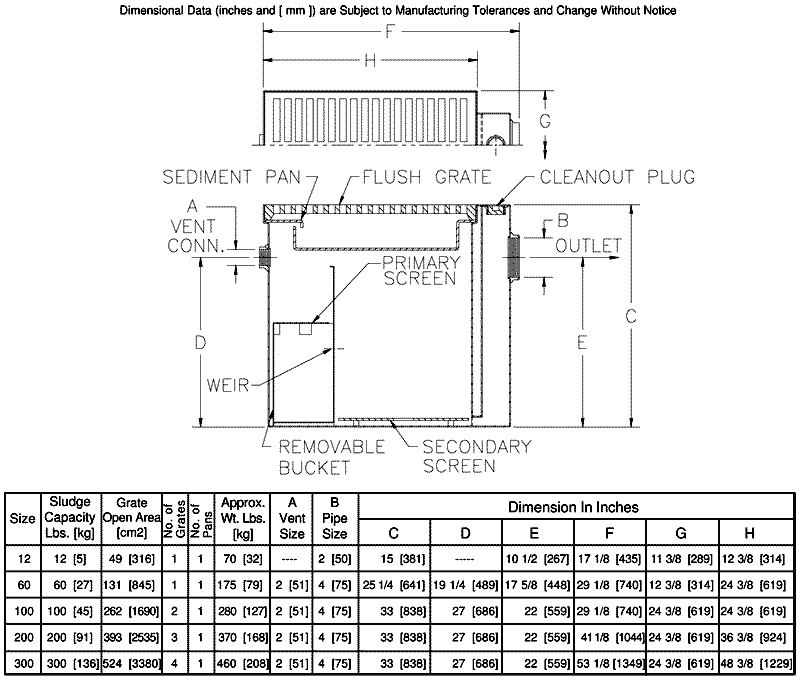
Several types of drain traps are suitable for garage floors, each with distinct advantages. P-traps, shaped like the letter “P,” are common and provide a reliable water seal. Bottle traps are more compact, making them ideal for tight spaces. Floor sink traps are designed for heavy-duty use, often found in commercial garages. Choosing the right type depends on your garage’s usage and drainage requirements. Some traps include sediment buckets to collect larger debris. Stainless steel or PVC materials offer durability and corrosion resistance. Consulting a plumber can help determine the best option for your specific setup. Proper selection ensures long-term performance and ease of maintenance.
Installing a garage floor drain trap requires careful planning and adherence to plumbing codes. The drain should slope slightly toward the trap to ensure proper water flow. Positioning the trap beneath the floor grate allows for easy access during cleaning. Connecting the trap to the drainpipe securely prevents leaks and dislodgment. Using the correct adhesive or sealant ensures a watertight fit. Local building codes may dictate trap size, material, and placement, so checking regulations is essential. A professional plumber can ensure the installation meets all requirements. Proper setup prevents future issues and maximizes the trap’s effectiveness in protecting your drainage system.

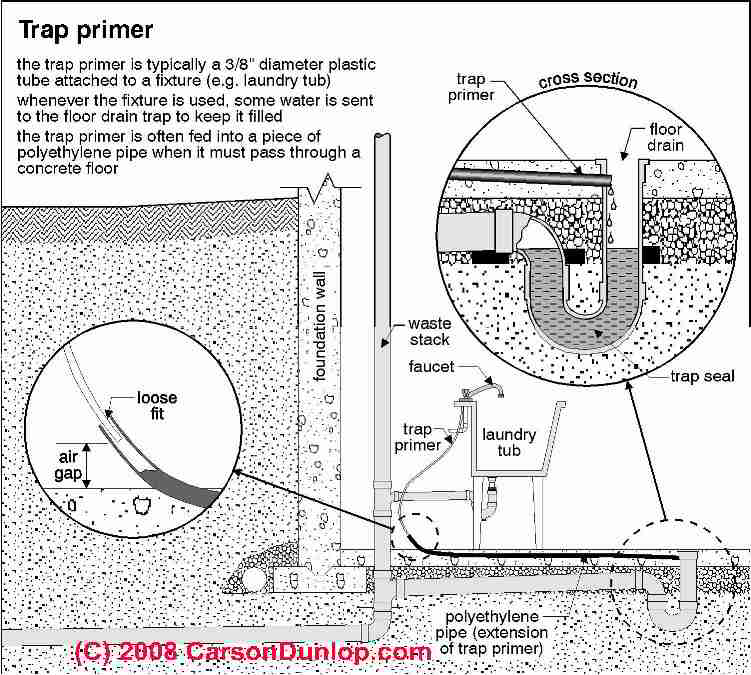
Regular maintenance is key to keeping your garage floor drain trap functioning properly. Remove debris from the trap basket or grate at least once a month to prevent buildup. Flushing the trap with hot water helps dissolve grease and soap residue. Inspect the water seal periodically to ensure it hasn’t evaporated, which could allow sewer gases to escape. If odors persist, adding a small amount of vinegar or baking soda can neutralize smells. Avoid pouring harsh chemicals down the drain, as they can damage the trap material. Checking for leaks or cracks ensures the trap remains intact. Consistent upkeep extends the lifespan of your drainage system and prevents costly repairs.
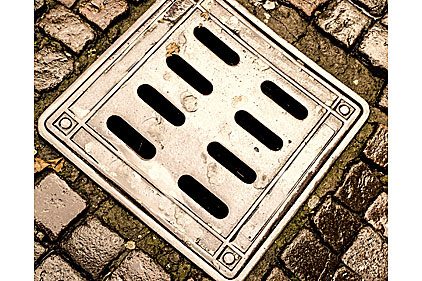
A clogged garage floor drain trap can lead to standing water, foul odors, and potential damage. Signs of a blockage include slow drainage, gurgling sounds, or water backing up. To clear a clog, remove the grate and manually clean out debris. A plumber’s snake can dislodge stubborn obstructions deeper in the pipe. If the trap itself is damaged, replacement may be necessary. Preventive measures, such as using drain covers, reduce the risk of future clogs. Addressing issues promptly avoids more severe plumbing problems. Keeping the area around the drain clean minimizes debris entering the system. Proper care ensures the trap continues to function as intended.
Garage floor drain traps play a vital role in preventing water damage and mold growth. Without a functioning trap, excess moisture can seep into the garage floor, weakening the concrete. Standing water also creates a slipping hazard and attracts pests. The water seal in the trap prevents humidity buildup, reducing the risk of mold and mildew. In colder climates, a dry floor minimizes ice formation during winter months. Proper drainage protects vehicles and stored items from water exposure. Investing in a quality drain trap safeguards both your garage’s structure and its contents. A well-maintained system contributes to a safer, cleaner environment.
Choosing the right material for your garage floor drain trap affects its durability and performance. PVC traps are lightweight, affordable, and resistant to corrosion, making them ideal for residential use. Stainless steel traps offer superior strength and longevity, suitable for high-traffic or commercial garages. Cast iron traps are durable but may rust over time without proper care. Consider the chemical exposure in your garage, such as oil or solvents, when selecting materials. The trap should withstand heavy loads if vehicles pass over it. Balancing cost, durability, and maintenance requirements helps you make the best choice. A high-quality trap material ensures reliable performance for years.
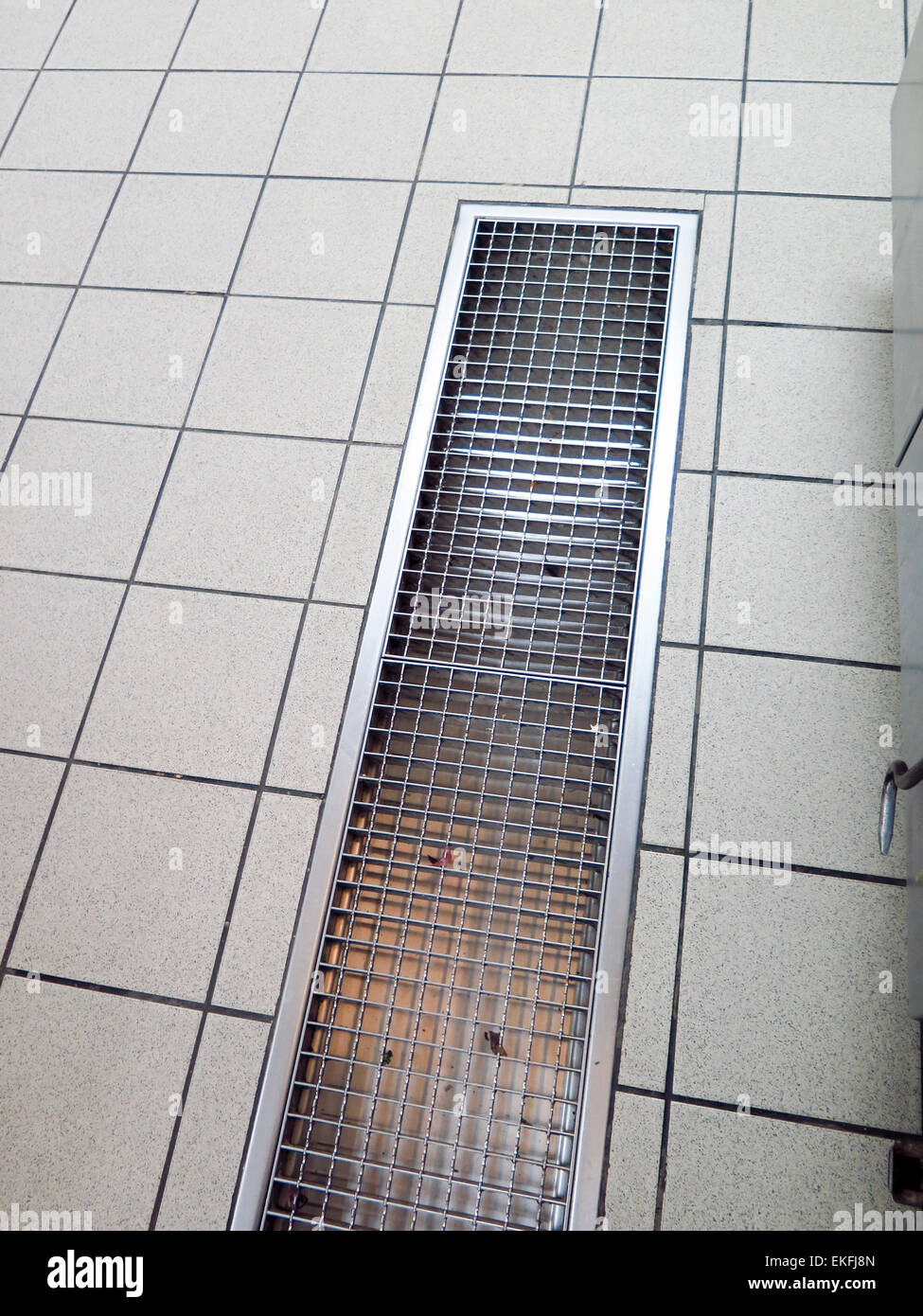
Garage floor drain traps can be integrated with existing drainage systems for enhanced functionality. Channel drains along the floor can direct water toward a central trap, improving runoff management. Some systems include multiple traps connected to a larger drainage network. Adding a sediment bucket or filter captures finer debris before it reaches the trap. Proper slope and alignment ensure water flows efficiently through the system. Consulting a drainage specialist helps design an effective layout. Custom solutions may be necessary for garages with unique configurations. A well-planned drainage system maximizes the trap’s effectiveness and minimizes maintenance needs.
Local building codes often regulate the installation and specifications of garage floor drain traps. These codes may dictate trap size, material, and placement to ensure proper function. Some areas require traps to connect to a municipal sewer system, while others allow discharge into a dry well. Permits may be necessary for installation or modifications. Hiring a licensed plumber ensures compliance with all regulations. Ignoring code requirements can result in fines or drainage system failures. Checking local guidelines before installation prevents legal and functional issues. A code-compliant drain trap provides reliable performance while meeting safety standards.
How often should I clean my garage floor drain trap?
Cleaning frequency depends on usage, but inspecting and cleaning the trap at least once a month is recommended. High-traffic garages or those exposed to debris may require more frequent maintenance. Remove the grate or basket and clear accumulated dirt, leaves, or sediment. Flushing the trap with hot water monthly helps prevent grease buildup. If you notice slow drainage or odors, clean the trap immediately to avoid clogs. Regular upkeep ensures the water seal remains effective, blocking sewer gases. Keeping a maintenance schedule prevents unexpected blockages and prolongs the trap’s lifespan.
Can I install a garage floor drain trap myself, or should I hire a professional?
DIY installation is possible for those with plumbing experience, but hiring a professional is often advisable. Proper placement, slope, and sealing are critical for effective performance. A plumber ensures the trap meets local building codes and connects correctly to the drainage system. Mistakes in installation can lead to leaks, poor drainage, or code violations. If you choose to DIY, research thoroughly and use the right tools. For complex systems or commercial garages, professional installation guarantees reliability. Weighing your skills against the project’s complexity helps decide the best approach.
What is the difference between a P-trap and a bottle trap for garage floors?
P-traps have a curved pipe design that holds water, creating a seal against sewer gases. They are common and effective for most residential garages. Bottle traps are more compact, with a cylindrical design that fits in tighter spaces. Both types prevent debris from entering the drainage system, but bottle traps may require more frequent cleaning due to smaller capacity. P-traps are generally easier to maintain and provide a more reliable seal. Choosing between them depends on available space and expected debris volume. Consulting a plumber helps determine the best fit for your garage.
Why does my garage floor drain trap smell bad?
Foul odors usually indicate a dried-out water seal, allowing sewer gases to escape. Evaporation in unused drains can cause this issue. Pouring water into the trap restores the seal and eliminates odors. Accumulated debris or bacterial growth may also produce smells. Cleaning the trap with a vinegar and baking soda solution neutralizes odors. Avoid pouring harsh chemicals, as they can damage the trap. Persistent odors may signal a crack or improper installation, requiring inspection. Regular maintenance prevents odor problems and keeps the garage fresh.

Can a garage floor drain trap freeze in winter?
Yes, if water remains stagnant in the trap, it can freeze in cold temperatures, blocking drainage. Insulating the trap or adding antifreeze designed for plumbing systems prevents freezing. Ensuring proper slope allows water to drain completely, reducing standing water. In extreme climates, heated drain covers or trace heating cables may be necessary. Winterizing the trap before freezing weather arrives avoids costly damage. If freezing occurs, thaw the trap carefully to avoid cracks. Preventive measures maintain functionality during cold months.
What should I do if my garage floor drain trap is leaking?
Leaks often result from loose connections, cracks, or worn seals. Tightening fittings or replacing gaskets may resolve minor leaks. For cracks in PVC traps, epoxy repair kits can provide a temporary fix. Severe damage usually requires replacing the trap entirely. Checking alignment and slope ensures proper water flow, reducing strain on connections. If unsure about repairs, consult a plumber to prevent further damage. Addressing leaks promptly avoids water damage and mold growth. Regular inspections help detect issues before they worsen.
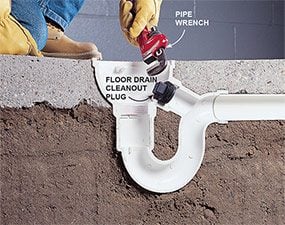
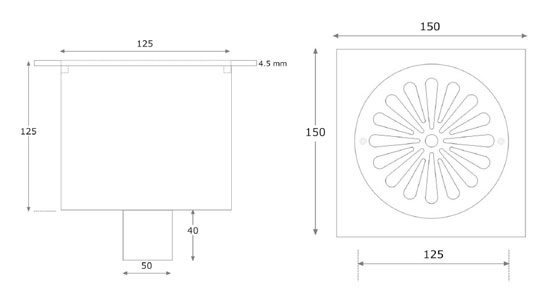
Floor Drains – AT 125V – Alltrap
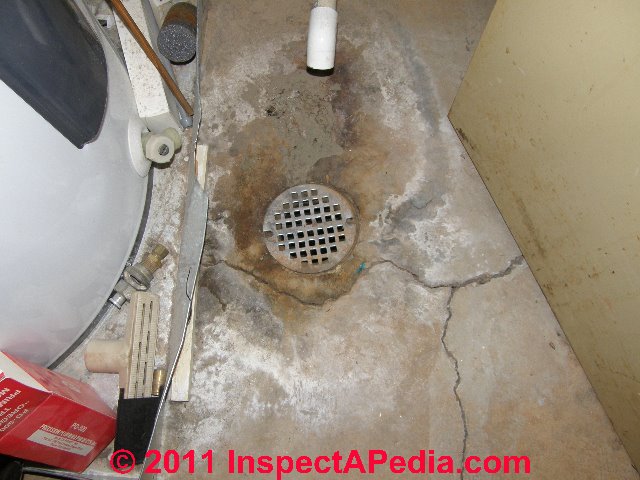
Floor Drain Sewage Odor Problems: Cause & Cure
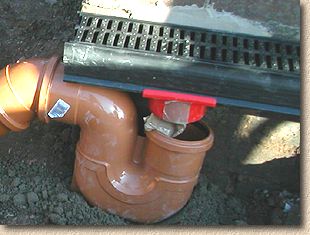
Paving Expert – Aco Drive Drain – Case Study III
Large Oil Interceptors
Drain noises: diagnosing gurgling, glubbing, blub blub noises and sounds in building drain pipes
Related Posts: