My bathroom’s old vinyl flooring finally surrendered to a persistent leak, warping at the edges, and discoloring for good. I saw it not as a disaster, but as a chance for a serious upgrade. After researching, ceramic tile emerged as the only logical choice for me. Its reputation for durability and water resistance was exactly what this high-moisture environment demanded. I wanted a floor that could handle splashes, humidity, and the general chaos of daily life without a second thought, something both beautiful and utterly practical for the long term.
Choosing the specific tile was an unexpectedly enjoyable challenge. I spent hours poring over samples, feeling their textures and laying them out in different lights. I gravitated toward a matte, glazed ceramic tile in a soft, earthy gray tone. Its slight texture promised better slip resistance, a crucial safety feature I prioritized. The color was neutral enough to remain timeless but had enough character to stand on its own. I knew this subtle backdrop would allow my other bathroom elements to shine without ever feeling boring or clinical.
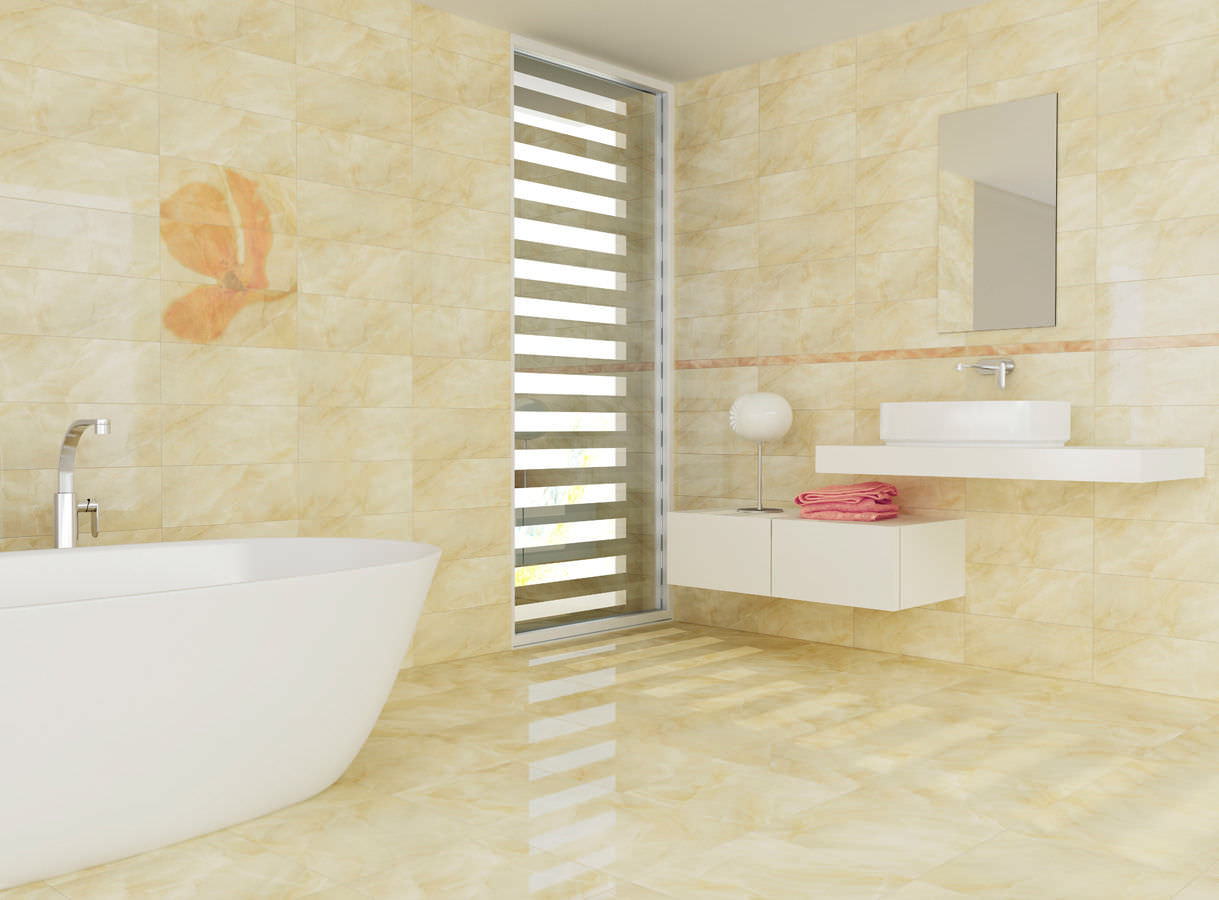
The installation process was a spectacle of precision I deeply admired. Watching the installers work was like observing artisans. They began by ensuring the subfloor was perfectly level and sturdy, a critical step for preventing future cracks. Then came the meticulous layout of the thin-set mortar, each trowel groove perfectly consistent. They set each tile with careful spacers, maintaining uniform grout lines that snaked across the room in perfectly straight lines. It was a methodical dance of measurement, adhesion, and placement.
Grouting day transformed the project from a collection of individual pieces into a unified, seamless surface. I selected a mid tone gray grout, slightly darker than the tile, to define each square without creating a stark, grid like contrast. The installer worked the paste into the lines, wiping away the excess with a damp sponge to reveal clean, crisp edges. This step locked everything into place, creating a waterproof barrier and a coherent look. The choice of a darker grout was a practical one, promising to hide dirt and moisture over time.

The final result completely redefined the entire room. The new ceramic floor feels solid and permanent underfoot, a world away from the slightly spongy give of the old vinyl. Its cool surface is refreshingly pleasant, especially on warm mornings. Visually, the space appears larger and more polished, the continuous field of tile expanding the sense of square footage. The clean, simple aesthetic brings a spa-like calm to my daily routine, turning a purely functional room into a small sanctuary for relaxation and quiet moments.
Living with ceramic tile has confirmed all my initial hopes. Water from the shower is a non issue, beading on the surface until I wipe it away with a towel. Cleaning is wonderfully simple, a quick sweep and an occasional moose with a pH neutral cleaner keeps it looking brand new. I never worry about spills, stains, or moisture seeping through and causing damage underneath. Its resilience against scratches from dropped items or moved furniture gives me immense peace of mind, knowing it can handle whatever happens.

I appreciate the versatility ceramic offers for personal expression. The array of available sizes, from large format planks to small mosaics, and the endless color and pattern possibilities are astounding. You can create classic checkerboards, modern minimalist spreads, or intricate decorative borders. This flexibility allowed me to imprint my personal style onto a very functional space. The tile acts as a foundation, setting the tone for the entire bathroom’s decor, from wall color to vanity choices and all the accessories in between.
The long term value of this decision is incredibly satisfying. While the initial investment was higher than some vinyl options, I view it as a permanent upgrade to my home. Ceramic tile does not need to be replaced every few years, it endures for decades with minimal care. This longevity makes it an economically smart choice over time. It also adds tangible value to the property, a feature future homeowners will undoubtedly appreciate. It is a purchase that pays for itself in durability and aesthetic appeal.
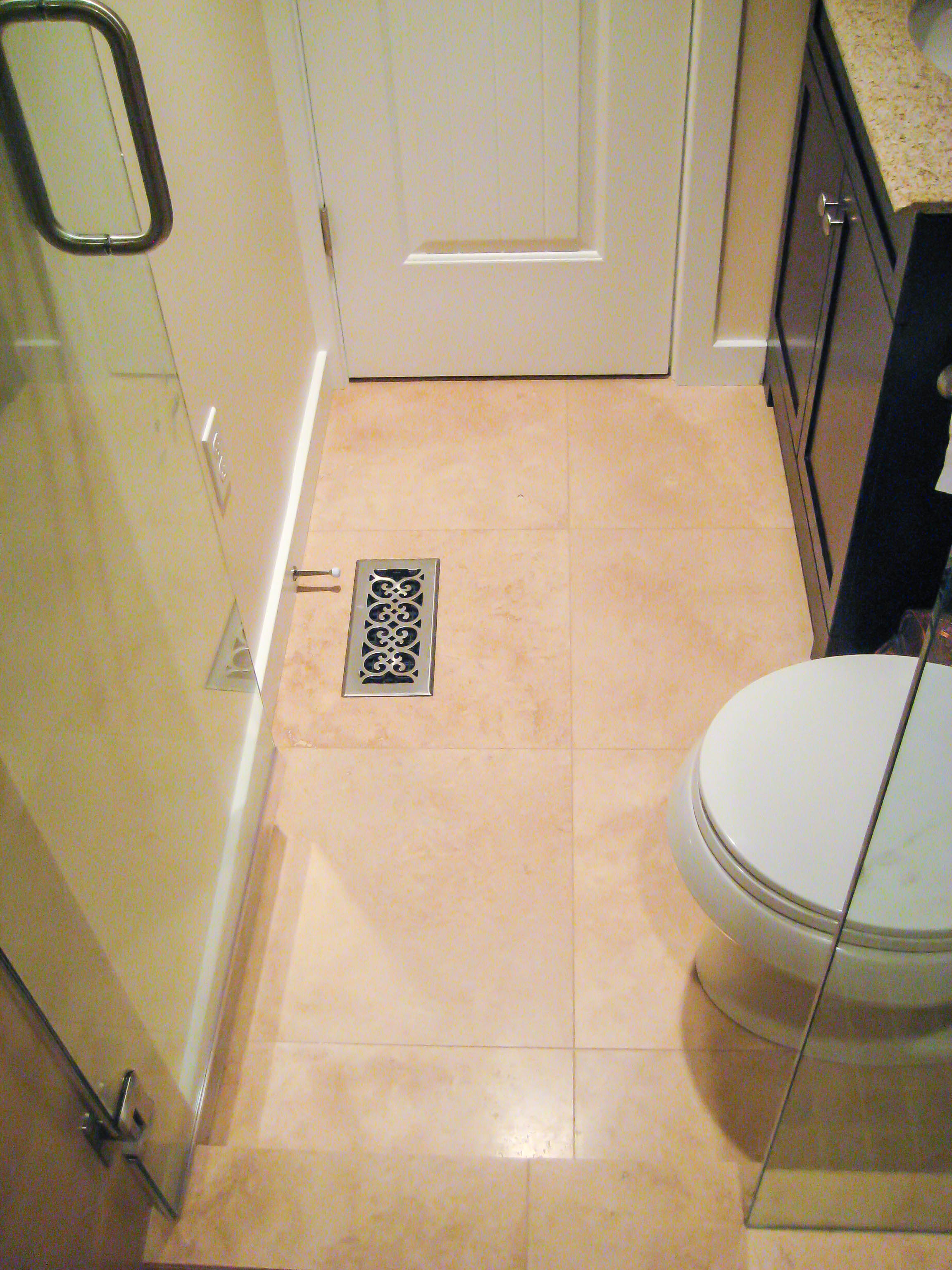
Comfort underfoot was a consideration I addressed creatively. The tile itself is naturally cool, which I enjoy, but for colder months, I added a beautifully woven bath rug that provides a soft, warm landing spot. Stepping out of the shower onto the cool tile is actually invigorating, and the rug is right there for comfort afterwards. The thermal mass of the tile helps regulate the room’s temperature, and I never find it unpleasantly cold, just solid and reliably steady beneath my feet every single day.
This project taught me to value materials that marry form and function so perfectly. Ceramic tile gave my bathroom a foundation of strength and beauty that elevates my everyday experience. The satisfaction of a well chosen material, installed correctly, is immense. It feels like I have built something lasting, a small piece of my home that is both a practical shield against wear and a daily source of visual pleasure. I would choose it again without a single moment of hesitation.

Is ceramic tile too cold for a bathroom floor?
The tile itself will feel cool to the touch, as it is a material that conducts temperature well. However, this is often refreshing in a humid environment. For colder climates or personal preference, this is easily managed with strategically placed bath mats or rugs. Some higher end installations can even incorporate radiant heating systems beneath the tile, creating a wonderfully warm floor. The perceived chill is usually minor and many find it a pleasant, grounding sensation.
How slippery is ceramic tile when wet, especially around a shower?
Slipperiness depends entirely on the tile’s finish. A high gloss, polished tile can be very slippery. For bathroom floors, you must select tiles with a matte, textured, or specifically rated slip resistant finish. My matte glazed tile provides excellent traction even when wet. Always check the tile’s coefficient of friction rating, a higher number means more slip resistance. Properly selected, ceramic tile can be a very safe flooring option for wet areas.

What is the difference between ceramic and porcelain tile for a bathroom?
Porcelain is a denser, less porous type of ceramic tile fired at higher temperatures. This makes it extremely hard and nearly impervious to water, often having a lower water absorption rate. For bathrooms, porcelain is an excellent, highly durable choice, especially in areas constantly wet. Standard ceramic is still very water resistant and perfectly suitable for most bathroom floors. Porcelain offers maximum durability for the highest traffic or wettest locations.
How difficult is it to clean and maintain ceramic tile grout?
Grout is porous and can stain if not properly sealed. The key is to have a professional apply a high quality penetrating sealer after installation. Once sealed, cleaning is straightforward, regular sweeping and damp mopping with a pH neutral cleaner is sufficient. Avoid acidic cleaners which can degrade the grout and sealer over time. Resealing the grout lines every few years will maintain their stain resistance and keep them looking fresh and clean with minimal effort.

Can ceramic tile crack easily if something is dropped on it?
Ceramic tile is very hard and resistant to scratches and wear, but it can crack or chip under a sharp, high impact force, like a heavy metal object dropped from a height. The quality of the installation, specifically a level and stable subfloor, is critical to preventing cracks from stress. Choosing a thicker tile can also improve impact resistance. While not indestructible, it is far more durable than vinyl or laminate and can withstand most everyday bathroom incidents.
How long does a professionally installed ceramic tile bathroom floor last?
With proper installation and basic care, a ceramic tile floor can easily last for decades, often fifty years or more. It is one of the most permanent flooring solutions available. The tiles themselves are incredibly resilient to wear, moisture, and time. The grout may require occasional cleaning or resealing, but the tiles will remain intact and beautiful for a lifetime. This exceptional longevity is a primary reason it is considered such a valuable investment for a home.

Multiple Brands Brown Ceramic Bathroom Floor Tiles, Rs 25 /square feet

Inspiring Ceramic Tile Floors
:max_bytes(150000):strip_icc()/34-porcelain-56a2fcb05f9b58b7d0cfff20.jpg)
Functional & Stylish Bathroom Tile Ideas
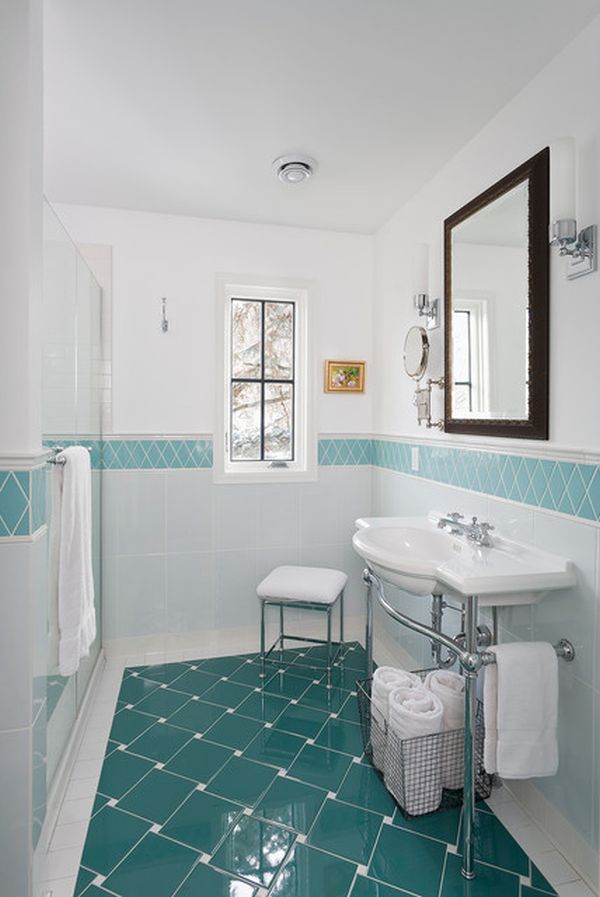
How To Add A Basement Bathroom
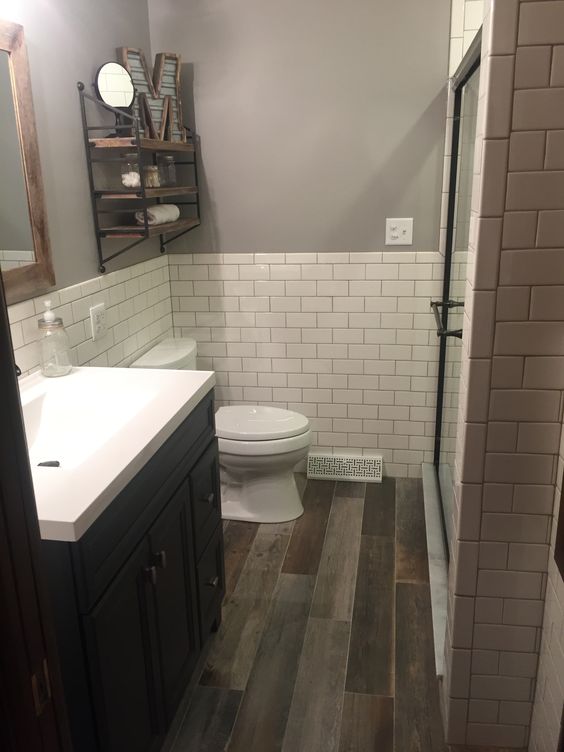
Pin on SHOWER REMODEL

How to Paint Tile Flooring with Rust-Oleum Floor Coating Tile floor diy, Painting tile floors

Cheap bathroom tiles ideas on Pinterest Cheap bathroom Cheap bathroom flooring

Related Posts: