Acid washing is a chemical treatment process that creates distinctive, weathered appearances on tile floors. This technique involves applying acidic solutions—typically muriatic or phosphoric acid—to etch the tile surface, revealing subtle color variations and texture. Commonly used on natural stone like travertine or slate, acid washing can also enhance certain porcelain and ceramic tiles. The process removes surface gloss while opening pores in the material, resulting in an aged, matte finish with improved slip resistance. Professional application is recommended, as improper acid concentrations or exposure times can damage tiles permanently.
The acid wash process begins with thorough floor preparation. Tiles must be cleaned of all waxes, sealers, or dirt that could interfere with chemical reactions. Protective gear—gloves, goggles, and respirators—is essential when handling acidic solutions. The wash is applied evenly across the floor using plastic sprayers or brushes, then left to react for 5-15 minutes depending on the desired effect. During this time, the acid opens the tile’s surface texture and may lighten or alter colors. Neutralizing the acid with baking soda solutions stops the chemical reaction, followed by intensive rinsing to remove all residue.

Acid washed floors offer several practical advantages beyond their aesthetic appeal. The etched surface provides better traction, making it ideal for pool decks, bathrooms, and other wet areas. By removing glossy finishes, the treatment reduces visible scratches and wear patterns over time. Natural stone develops enhanced character as the acid reveals unique mineral deposits and color variations within the material. The process can also help blend new tile installations with existing aged floors for a cohesive look. However, the increased porosity requires proper sealing to prevent staining and moisture absorption.
Different tile materials react distinctively to acid washing. Natural limestone and marble develop soft, weathered patinas with subtle color gradations. Travertine’s natural pits and voids become more pronounced, enhancing its rustic charm. Slate tiles show dramatic contrasts between their layered mineral compositions. Some porcelain tiles with through-body color can achieve attractive distressed looks, while glazed ceramics may reveal underlying clay bodies. Always test acid solutions on sample tiles first, as certain materials like polished granite or sensitive stones can etch unevenly or sustain permanent damage.

Maintenance requirements increase after acid washing due to the tile’s heightened porosity. High-quality penetrating sealers must be applied immediately after treatment and reapplied annually. Regular cleaning requires pH-neutral products to avoid damaging the etched surface or sealer. Grout lines often need extra attention, as the acid can lighten or degrade cement-based grouts. Epoxy grout holds up better to chemical treatments. While acid-washed floors hide dirt better than glossy surfaces, they may show oil stains more readily unless properly sealed. Avoid abrasive cleaners that could further erode the textured finish.
The weathered look of acid-washed tiles suits various design styles. Mediterranean and rustic interiors benefit from the technique’s organic, timeworn appearance. Contemporary spaces use acid-washed large-format tiles to add visual texture without pattern. Commercial establishments appreciate the slip-resistant properties combined with upscale natural aesthetics. The process can artificially age new tiles to match historic renovations or create vintage-inspired floors. Pairing acid-washed floors with sleek modern furnishings creates an appealing contrast between rough and smooth surfaces.

Cost considerations for acid washing vary based on tile type and project scope. Professional acid washing averages 2−5 per square foot, plus sealing costs. DIY attempts risk improper etching or safety hazards if chemical handling isn’t mastered. The process may shorten some tiles’ lifespan by removing protective surface layers, though proper sealing mitigates this. Compared to complete floor replacement, acid washing offers significant savings when updating outdated glossy finishes. The technique is particularly cost-effective for bringing uniformity to mismatched natural stone floors.
Safety precautions are critical when acid washing tile floors. Proper ventilation prevents dangerous fume accumulation in indoor spaces. Acid solutions must be mixed carefully in plastic containers—never metal—following manufacturer dilution ratios. Workers need chemical-resistant clothing, rubber boots, and eye protection. Neutralizing agents and water sources must be readily available in case of spills or over-etching. The area should be cordoned off until completely rinsed and dried. Homeowners should strongly consider professional services for anything beyond small outdoor tile areas due to these hazards.
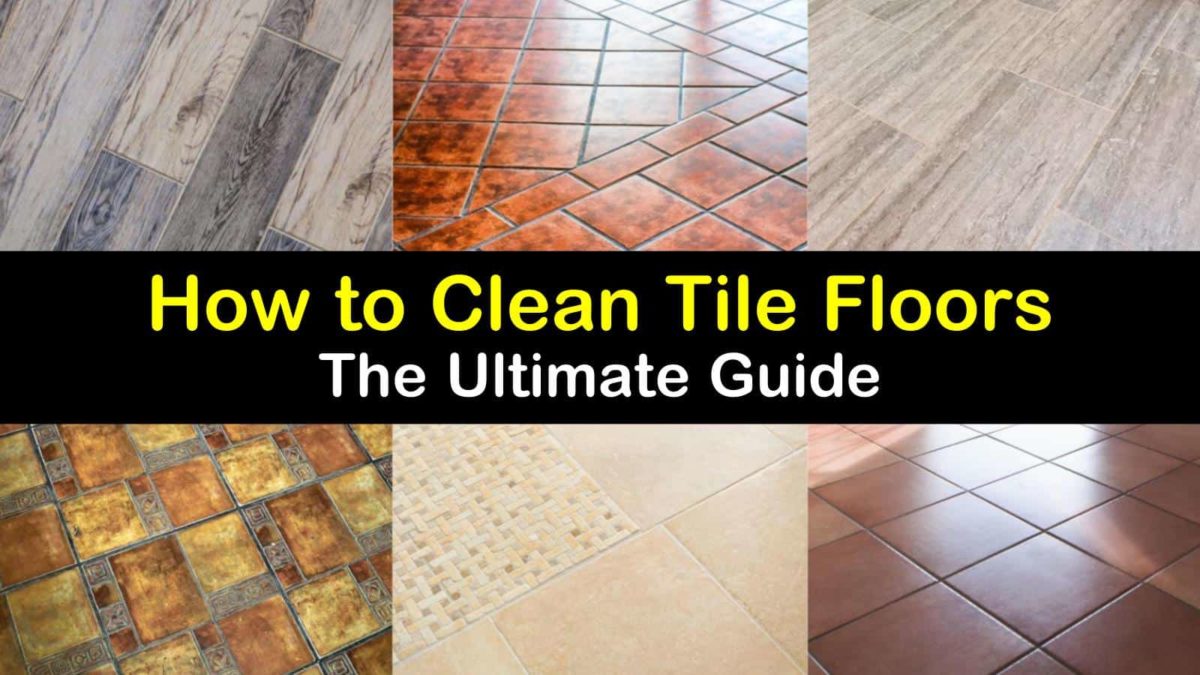
Environmental factors influence acid wash results and longevity. Outdoor installations may require more frequent resealing due to weather exposure. Direct sunlight can accelerate color fading on certain acid-treated stones. In freeze-thaw climates, proper sealing becomes even more crucial to prevent moisture penetration and cracking. Indoor applications in high-humidity areas like bathrooms need mold-resistant sealers. Understanding these variables helps determine whether acid washing suits a particular space and how to maintain the finished floor properly.
For those considering this treatment, acid washing offers a transformative approach to tile floors when executed correctly. The technique unlocks hidden beauty in natural stone while creating practical, slip-resistant surfaces. While demanding careful preparation and maintenance, the distinctive results often justify the effort. Whether aiming for old-world charm or contemporary texture, acid-washed tiles provide unique character that standard finishes can’t replicate. Professional consultation ensures the method aligns with specific tile materials and project goals for optimal, long-lasting results.
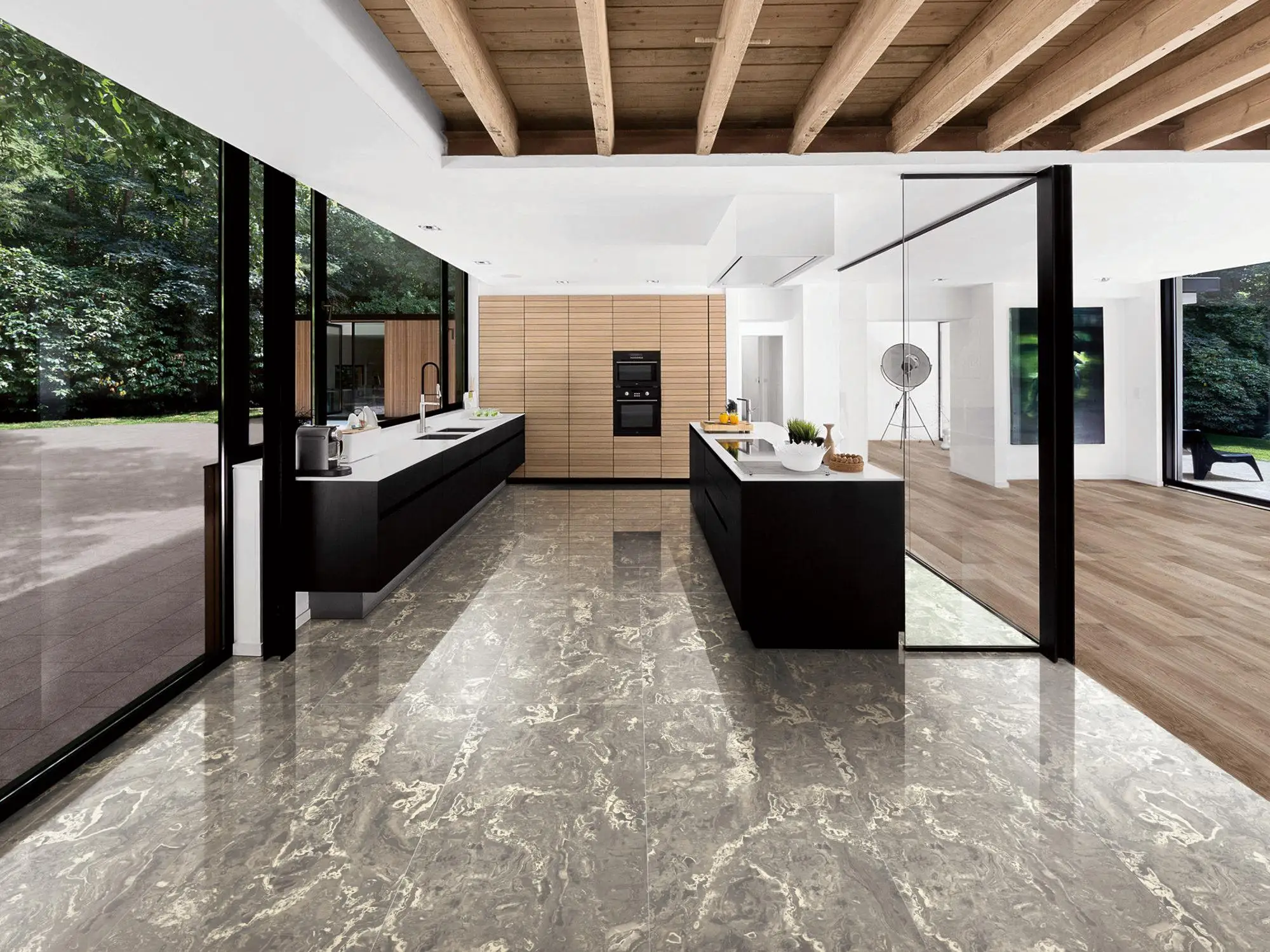
Toxin-FREE Floor Cleaning HOW-TOs
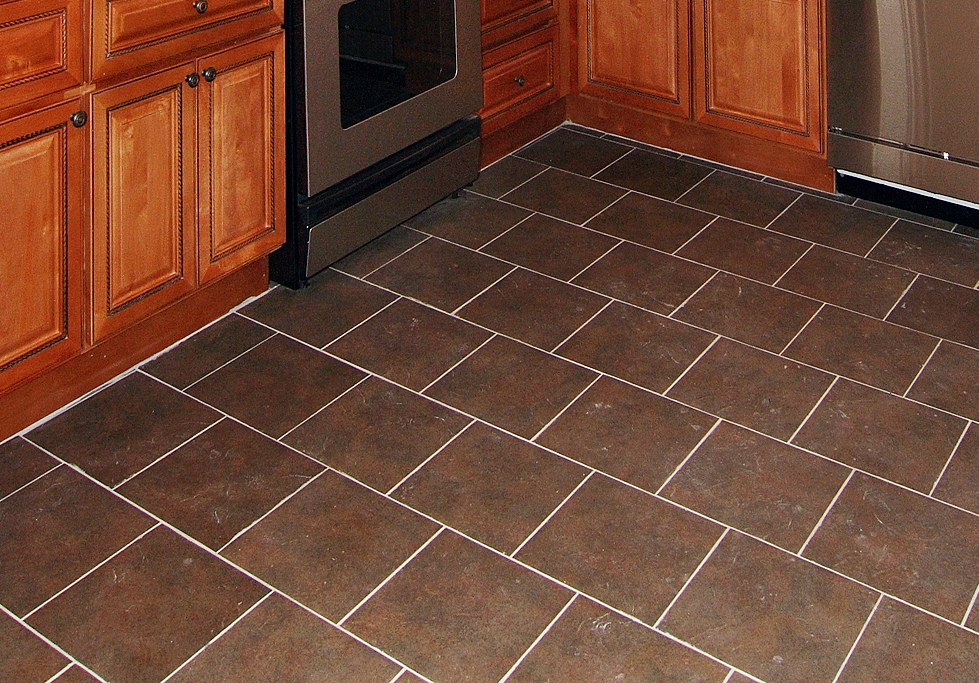
Clean Tile Floors Easily Without Chemicals or Scrubbing

Diflart White Carrara Marble Basketweave Mosaic Bathroom Tiles – Buy White Marble Mosaic
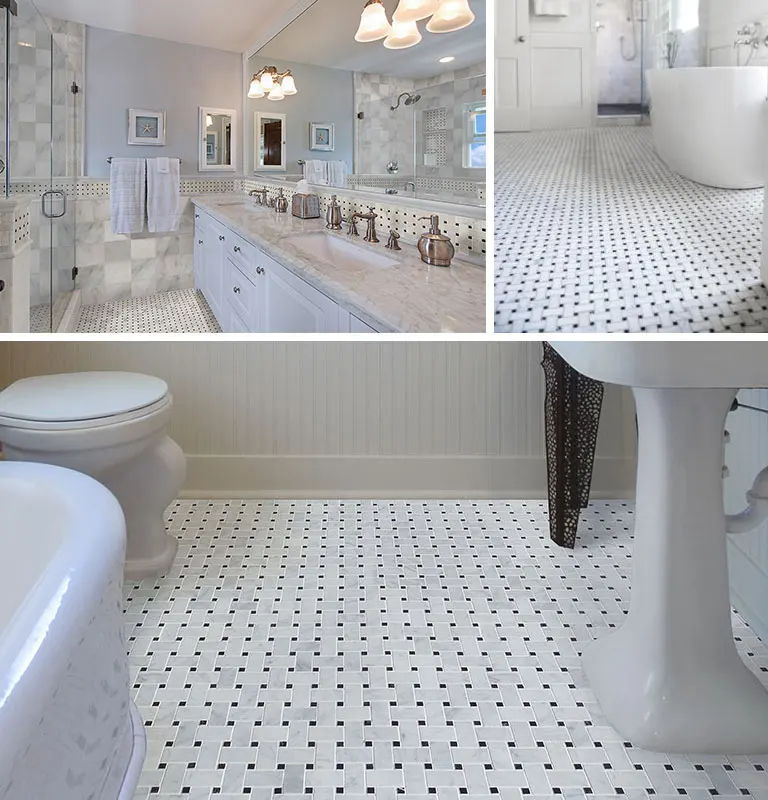
Acid Tile Cleaning – New Tiles, Efflorescence & Mineral Deposits
Clean Tile Floors Easily Without Chemicals or Scrubbing

3 Ways to Clean Tile Flooring – wikiHow

How To Clean Floor Tiles In The Bathroom – Arlington Tile Cleaning Tile Cleaning Arlington Va
How to Clean Tile Floors – the Chemical Free Way – Setting for Four
grout haze left by professional tile installer (tiles, color, photos) – Home Interior Design and

Related Posts: