I still remember the moment I decided to rip out the worn-out vinyl flooring in our old farmhouse kitchen. It was a crisp autumn morning, and I was longing for a floor that felt as grounded and authentic as the 19th-century house itself. That’s when I truly fell for country-style tile. For me, it’s never been about a perfectly matched, sterile surface. It’s about texture, character, and a sense of history. Country tile floors have a soul. They are warm, inviting, and feel like they’ve been there for generations, telling stories with every scuff and variation in color. They’re the foundation upon which a truly lived-in, loved-in home is built.
My first foray was with classic terra cotta. I sourced some reclaimed tiles from a demolished barn, each one uniquely shaped with slight dips and a rich, varied patina. Laying them was a lesson in embracing imperfection. They didn’t line up in a perfect grid, and the gaps were a little uneven, but that was the whole point. Once sealed, they glowed with a warm, reddish hue that makes the entire kitchen feel sun-kissed, even on the grayest of days. The coolest part is knowing that my great-grandchildren might one day be walking on these same tiles, their own history layered on top of mine.
If you love color, don’t be shy. One of my favorite projects was a small mudroom where I used hand-painted Mexican Talavera tiles. They featured a repeating pattern of cobalt blue and sunflower yellow on a white background. It was a bold choice, but in that small, functional space, it created an incredible burst of joy. Every time I come in from the garden with muddy boots, the floor makes me smile. This is the magic of country style, it allows for personality. You’re not just choosing a floor, you’re setting a mood, one that can be playful, serene, or deeply rustic.
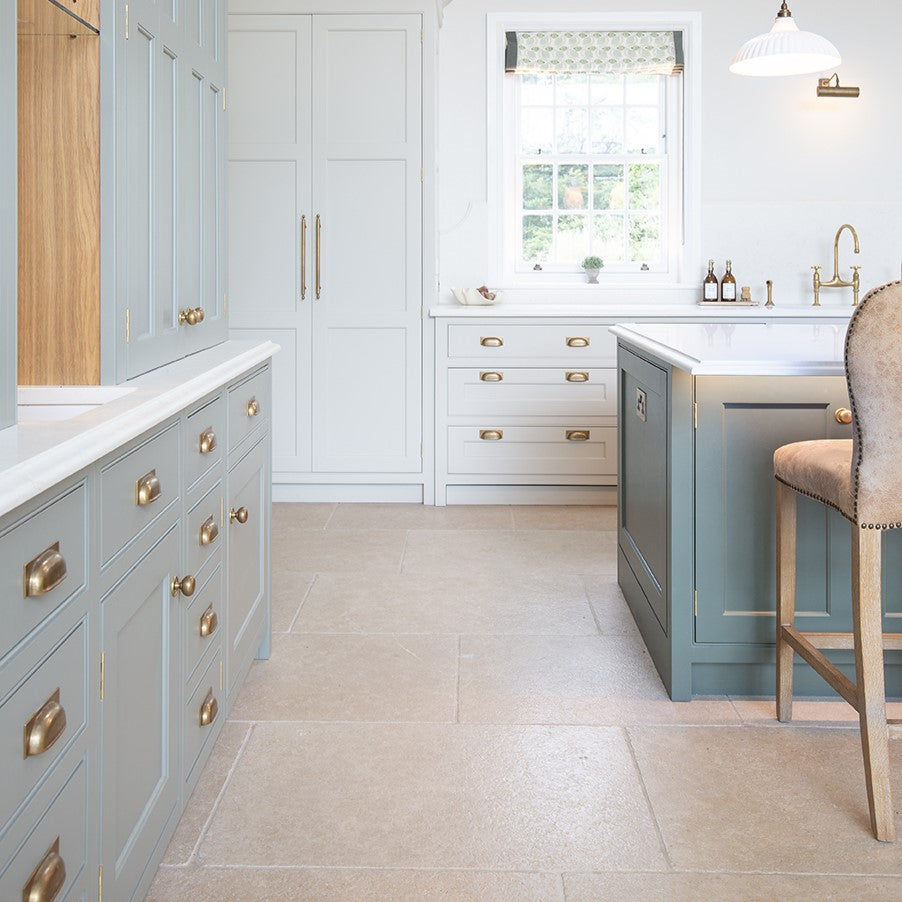
Of course, not all country tile is colorful. For our sunroom, I wanted something light and airy that would reflect the sunlight. I chose large-format, matte-finish porcelain tiles in the color of bleached limestone. Their subtle texture provides just enough grip, and their light color makes the whole room feel larger. I then defined the seating area with a beautiful, vintage-inspired floral area rug. The combination gives me the easy cleanability of tile with the soft, cozy visual of a rug. It’s a practical solution that loses none of the charming, country-house feel.

The pattern you choose is just as important as the tile itself. While a simple grid is timeless, consider a classic hopscotch or pinwheel pattern for a more dynamic look. In our pantry, I used a black and white checkerboard with octagonal and dot tiles, and it feels both vintage and fresh. The key is to keep the grout color intentional. A dark grout with light tiles can feel very modern and is incredibly practical for hiding dirt, while a matching grout creates a more seamless, expansive look. I always test a few grout samples on my tile before making the final decision.
Don’t forget about the power of a border. In a previous home’s dining room, I used a field of simple, neutral stone-look tiles but framed the entire room with a decorative border tile featuring a grapevine motif. It was a detail that made the room feel special and finished, like the trim on a well-tailored jacket. It didn’t cost a fortune, but it elevated the entire space, drawing the eye around the room and defining the area. Borders are a wonderful way to incorporate a more intricate pattern without it feeling overwhelming.

When it comes to maintenance, I’ve found country tiles to be wonderfully forgiving. The secret is all in the sealant. For natural stone like slate or terra cotta, a high-quality penetrating sealer is non-negotiable. I apply it upon installation and then reapply it every year or two, depending on the traffic. This creates an invisible barrier that repels water and stains without changing the look of the tile. My porcelain tiles are virtually maintenance-free, needing just a regular sweep and an occasional damp mop. They’ve stood up to everything from spilled red wine to muddy paw prints.
I often hear people say they worry that tile will feel too cold, especially in a country home. I had the same concern, which is why I invested in a radiant heating system under the tile in our kitchen and bathroom. It was one of the best decisions I ever made. On a cold winter morning, the floor is gently warm underfoot, making the whole room feel cozy and inviting. It transforms the tile from a potentially cold surface into a source of comfort. If installing a full system isn’t possible, a few well-placed, plush rugs can achieve a similar feeling of warmth.

Ultimately, choosing a country style tile floor is about creating a backdrop for life. It’s a surface that welcomes the clatter of dog nails, the pitter-patter of little feet, and the comings and goings of a busy household. It doesn’t demand perfection. In fact, it looks better as it ages, acquiring a gentle wear that adds to its character. My tiles have a few chips here and there from dropped cast-iron pans, but I see them as badges of honor, little reminders of meals cooked and memories made.
So, if you’re dreaming of a floor that has heart, I wholeheartedly encourage you to explore country tile. Visit a showroom and feel the different textures. Order samples and see how they look in your own light. Imagine your life unfolding over them. The right tile will feel less like a building material and more like a part of your home’s story, a durable, beautiful foundation for all the years to come. It’s an investment in creating a space that is not only beautiful but truly, comfortably, lived-in.

How durable are country-style tile floors for a busy kitchen?
In my experience, they are one of the most durable options you can choose. Porcelain and ceramic tiles are incredibly hard and resistant to scratches, stains, and moisture. My terra cotta tiles, once properly sealed, have withstood dropped pots, constant foot traffic, and spills of all kinds. The key is the hardness rating; for a kitchen, I always look for a PEI rating of 4 or 5, which means it’s suited for heavy residential traffic. They won’t dent like wood or vinyl, and they can last a lifetime with basic care.
Are these tiles difficult to clean and maintain?
Not at all, that’s one of their biggest benefits! For my sealed terra cotta and stone tiles, a simple sweep followed by a damp mop with a pH-neutral cleaner is all it takes. I avoid harsh chemicals like vinegar or bleach, as they can degrade the sealant over time. For my porcelain tiles, they are even easier; they are virtually stain-proof. The only regular maintenance is keeping the grout lines clean, which I do by giving them a quick scrub with a soft brush during mopping. A grout sealant applied after installation makes this even easier.

Can I install a country tile floor myself, or should I hire a pro?
This depends on the tile and the pattern. I’ve successfully installed a simple square terra cotta tile in a small bathroom myself, but for my kitchen’s intricate hopscotch pattern, I hired a professional. Cutting natural stone or porcelain requires a good wet saw, and achieving a perfectly level surface is crucial. If your subfloor isn’t flat, you’ll get lippage, which is when tile edges are uneven. A professional installer has the tools and expertise to handle this. For a complex job, their fee is worth the peace of mind.
What is the cost comparison to other flooring like hardwood or laminate?
Tile can be very affordable or quite expensive, depending on your choice. Simple ceramic tiles can be less expensive than hardwood, while hand-painted or rare natural stone can cost significantly more. However, I look at it as a long-term investment. A quality tile floor, properly installed, can easily last 50 years or more, while other flooring types may need replacement every 10-20 years. When you factor in its incredible durability and timeless style, I find it offers exceptional value over the life of your home.

Is tile too cold for a country home, especially in winter?
It can be, but this is a problem with a fantastic solution. I had radiant floor heating installed under the tile in our main living areas, and it completely transforms the experience. The floor is wonderfully warm underfoot, making the whole house feel cozier. It’s an energy-efficient way to heat a space. If that’s not in the budget, strategic use of area rugs makes a huge difference. I have a beautiful, washable braided rug in the kitchen that adds both warmth and a classic country charm.
Will a patterned tile floor make my room look smaller or too busy?
It’s all about balance. In a small room, a large, busy pattern can feel overwhelming. My trick is to use smaller-scale patterns or to use a bold pattern in a smaller space, like a powder room or mudroom, where it becomes a fun surprise. In a larger room, you have more freedom. Using a light-colored grout can make a patterned floor feel more cohesive and expansive. I always recommend getting several sample tiles and laying them out on the floor to see how the pattern feels in your actual space before committing.

Durable, Cement Rustic Spanish Paver Tiles Offer Time-Tested Look — Avente Tile PRLog

Farmhouse Bathroom Design Ideas – Farmhouse Bathroom Decor
Tile look Like Wood Porcelain Tile Dolce Wood-Look Porcelain 6.5 x40

Stunning Cottage Style Bathroom Decorating Ideas Cottage style bathrooms, Country bathroom

Related Posts: