When I inherited my grandmother’s 1960s ranch house, the original laminate flooring throughout the main living areas looked like a relic from another era. The harvest gold and avocado green geometric patterns screamed mid-century modern in ways that initially made me cringe. My first instinct was to rip it all out and install something contemporary, but budget constraints forced me to live with it temporarily. Six months later, I’d fallen completely in love with the authentic retro character that no modern reproduction could match, and I’ve since become an unexpected advocate for preserving and restoring vintage laminate floors.
The restoration process taught me that vintage laminate from the 1960s and 70s was built to completely different standards than modern products. These floors feature thick backing materials, genuine wood grain photography, and surface treatments that have lasted 50+ years with minimal wear. My grandmother’s floor showed some scratches and dulling from decades of foot traffic, but the underlying structure remained solid. Professional refinishing with specialized products brought back the original luster while preserving the authentic patina that gives vintage laminate its unique character.

Research into my floor’s history revealed fascinating details about mid-century manufacturing techniques and design philosophy. The brand was Armstrong, a premium manufacturer that used real wood photography and hand-applied surface textures to create surprisingly realistic wood grain effects. The installation method used full-spread adhesive rather than today’s floating systems, creating a solid, quiet floor that doesn’t flex or squeak like modern click-lock products. This construction quality explains why so many vintage laminate floors remain functional after half a century.
Living with authentic vintage patterns challenged my preconceptions about what constitutes good design. The bold geometric borders and rich wood tones that seemed garish initially began revealing their sophisticated color relationships and carefully considered proportions. Interior design magazines from the era showed how these floors were meant to anchor entire room schemes, not simply disappear as neutral backgrounds. Understanding this context helped me appreciate the floor as an integral design element rather than something to work around.

The maintenance routine for vintage laminate differs significantly from caring for modern floors. These older surfaces respond well to traditional cleaning methods like paste wax applications that would damage today’s laminate finishes. I learned to use specific vintage-appropriate products that enhance rather than strip the original surface treatments. Monthly waxing brings out depth and richness that modern polyurethane coatings can’t replicate, creating a warm glow that changes subtly with natural lighting throughout the day.
Repairs and touch-ups required learning specialized techniques that aren’t needed for contemporary flooring. Small scratches respond to careful sanding with fine-grit paper followed by matching stain and clear coating applications. Deeper damage sometimes requires creative patching using salvaged pieces from closets or utility areas. I’ve developed relationships with specialty restoration suppliers who stock period-appropriate materials and understand the unique requirements of vintage laminate maintenance and repair.

The acoustic properties of vintage laminate surprised me compared to modern alternatives. The solid installation method and thick backing materials create a remarkably quiet, stable walking surface that doesn’t transmit sound to lower levels like floating floors can. Furniture moves smoothly without the hollow sounds common with contemporary laminate. This acoustic quality contributes to the overall sense of quality and permanence that characterizes well-built vintage homes from this era.
Color coordination became an exciting design challenge as I updated other elements to complement rather than compete with the vintage floor. I chose paint colors, furniture, and accessories that either harmonized with the existing warm tones or provided deliberate contrast that enhanced rather than fought the floor’s bold character. This approach created a cohesive mid-century modern aesthetic that feels authentic rather than trendy or forced.
Professional appraisals revealed that well-maintained vintage laminate can actually add value to period homes, especially those marketed to buyers specifically seeking authentic mid-century modern character. Real estate agents confirmed that original features in good condition often appeal more to discerning buyers than generic modern replacements. This knowledge transformed my perspective from viewing the floor as something to eventually replace to seeing it as a valuable asset worth preserving and maintaining properly.
After three years of living with and caring for my inherited vintage laminate flooring, I can confidently say it’s become one of my favorite features of the house. The authentic character, superior construction quality, and unique aesthetic appeal create a foundation for interior design that no reproduction could match. While vintage laminate isn’t appropriate for every home or design preference, those lucky enough to inherit quality examples should seriously consider restoration before replacement. The investment in proper care and maintenance pays dividends in both daily enjoyment and long-term property value.

How can I tell if vintage laminate flooring is worth restoring or should be replaced?
Quality vintage laminate from premium manufacturers like Armstrong, Formica, or Mannington is usually worth restoring if the substrate remains solid and patterns aren’t severely worn. Look for thick backing materials, realistic wood grain photography, and minimal delamination or bubbling. Surface scratches and dulling can often be addressed through professional refinishing. If the floor has significant water damage, large areas of delamination, or structural issues, replacement might be more cost-effective than restoration attempts.
What’s involved in properly maintaining and caring for vintage laminate floors?
Vintage laminate requires different care than modern floors. I use pH-neutral cleaners for regular cleaning and apply paste wax monthly to maintain the surface finish and depth. Avoid modern laminate cleaners that can damage vintage surface treatments. Professional refinishing every 5-7 years helps maintain appearance and protect the photographic layer. Keep humidity levels stable to prevent expansion issues, and address spills immediately to prevent moisture penetration at seams.

Are there health concerns with older laminate flooring materials?
Some vintage laminate manufactured before the 1980s may contain asbestos in backing materials, though this wasn’t universal. I had my floor professionally tested before restoration work began. Lead paint wasn’t typically used in laminate manufacturing, but surrounding trim and walls from the same era should be tested. If asbestos is present, professional abatement may be required for major renovations. For normal use and maintenance, intact vintage laminate poses minimal health risks.
How does the durability of vintage laminate compare to modern products?
Quality vintage laminate often exceeds modern durability due to thicker wear layers, superior photography techniques, and solid installation methods. My 60-year-old Armstrong floor shows less wear than some modern laminates I’ve seen after just a few years. The full-spread adhesive installation creates a more stable, quieter surface than today’s floating systems. However, modern laminate offers better moisture resistance and easier replacement if damage occurs.

What should I expect to invest in vintage laminate floor restoration?
Professional refinishing costs $2-4 per square foot, depending on condition and local rates. My 1,200 square foot restoration cost $3,200, including deep cleaning, minor repairs, surface refinishing, and protective coating application. DIY restoration using appropriate products costs much less but requires specific techniques and products. Factor in ongoing maintenance costs for specialty cleaners and periodic waxing. Quality restoration typically costs 30-50% less than premium modern laminate replacement.
Where can I find replacement pieces or repair materials for vintage laminate floors?
Specialty restoration suppliers often stock period-appropriate materials and repair products. I’ve had success with architectural salvage companies, vintage building material dealers, and online marketplaces for original pieces. Some manufacturers still produce select vintage patterns, though colors may not match exactly due to aging. Local flooring contractors who worked during the original installation era sometimes have leftover materials in storage. Building relationships with these sources helps when repairs become necessary.

Hickory, White Oak, Maple Laminate
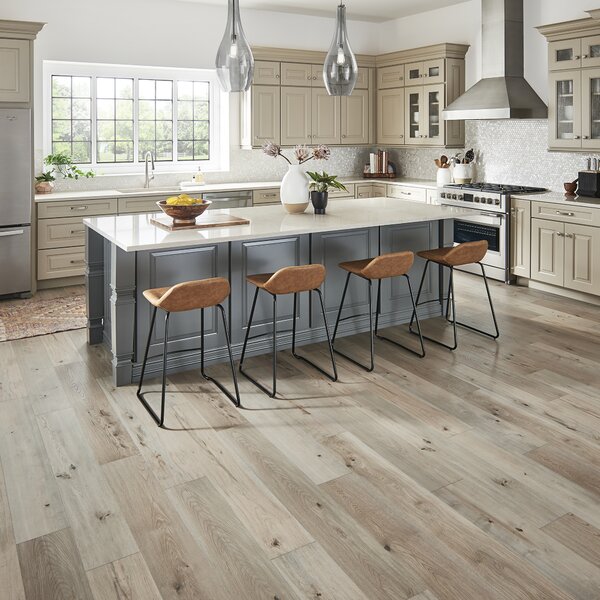
Toasted Hickory Laminate Flooring Decorative Journals
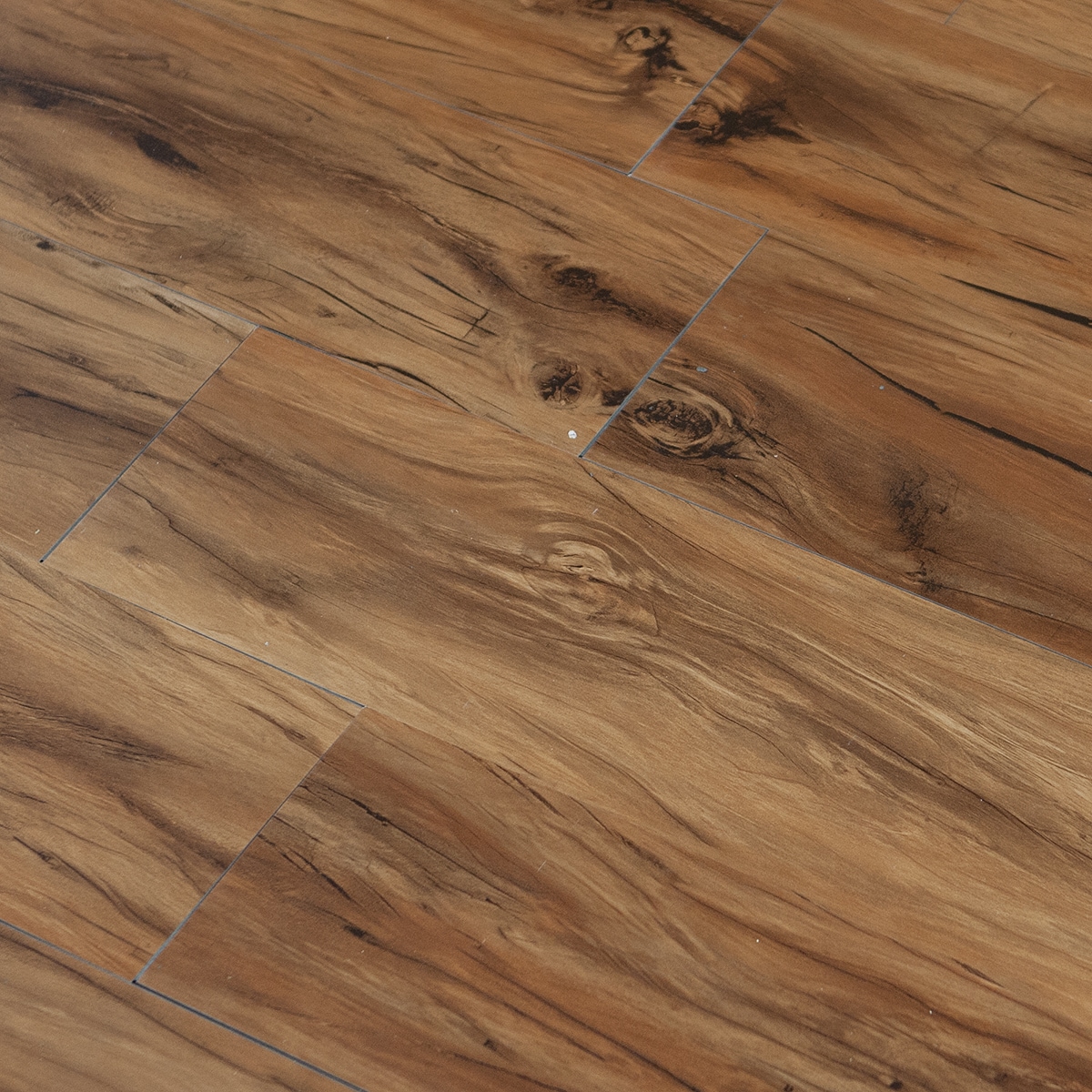
5536 Rushmore Chestnut Planked (RC) Vintage Classic: Krono Original – Best prices in the UK

Harmonics Spiced Applewood Laminate Flooring Laminate Flooring

Related Posts: