I never imagined that my dull concrete garage floor would become the most admired feature of my home, but installing a white metallic epoxy coating transformed everything. The project began when I grew tired of the stained, cracked concrete that made my workspace feel more like a dungeon than a functional area. After months of research and hesitation, I finally committed to this ambitious undertaking. The transformation process taught me more about surface preparation, chemistry, and patience than any previous home improvement project. What started as a practical solution evolved into an artistic expression that exceeded my wildest expectations.
Choosing white as my base color sparked countless debates with friends and family who questioned the practicality of such a bold choice. I understood their concerns about showing dirt and stains, but something about the pristine, clean appearance captivated me completely. The metallic additives promised to create depth and movement within the white base, producing an almost liquid mercury effect that would shift and shimmer under different lighting conditions. After studying countless photos and videos online, I became convinced that white metallic epoxy would create the sophisticated, modern aesthetic I craved for my space while maintaining surprising durability.

The preparation phase proved far more intensive than I anticipated, consuming three full weekends before I even opened the first epoxy container. Every square inch of concrete required grinding to remove existing sealers, paint residue, and surface imperfections that could compromise adhesion. I rented a commercial grinder and invested in proper protective equipment, learning quickly that concrete dust creates challenges I had not considered. The grinding process revealed the true condition of my substrate, exposing cracks that needed repair and low spots requiring leveling compound. This meticulous groundwork would prove essential for achieving the flawless finish I desired.
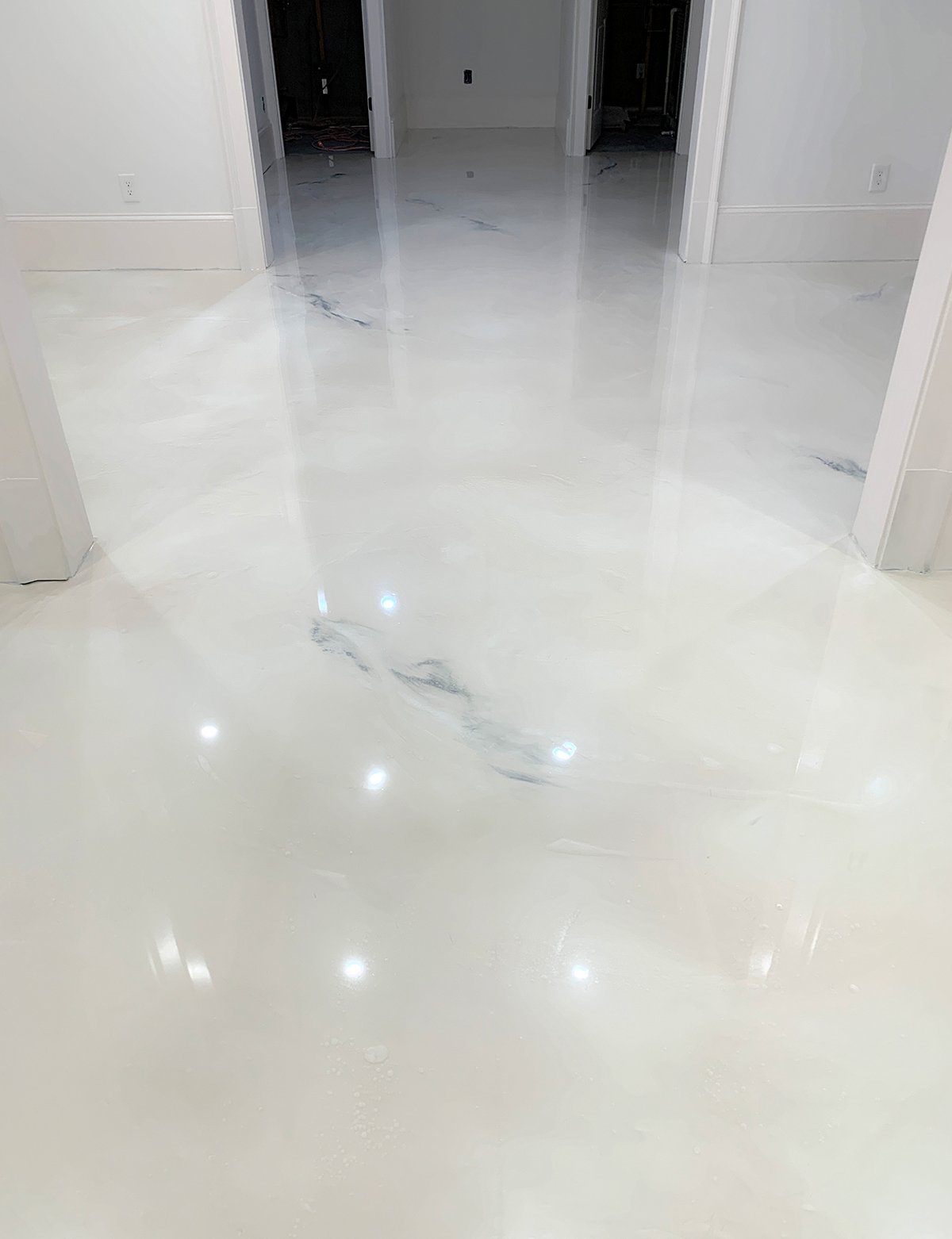
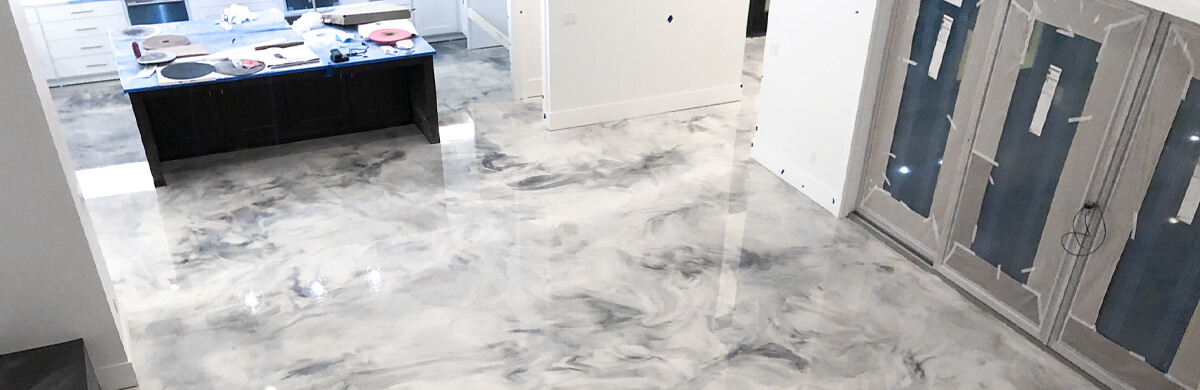
Mixing the epoxy components felt like conducting a chemistry experiment, with precise ratios and timing being absolutely critical for success. The white base coat went down smoothly, but I had only a limited window to add the metallic powders before the epoxy began curing. Working in small sections, I sprinkled the silver and pearl metallic additives while using a foam roller to blend and distribute the particles evenly. The magic happened when I used a heat gun to manipulate the metallics, creating swirling patterns that resembled clouds floating across a pristine sky. Each pass of the heat gun produced unique formations that could never be replicated.
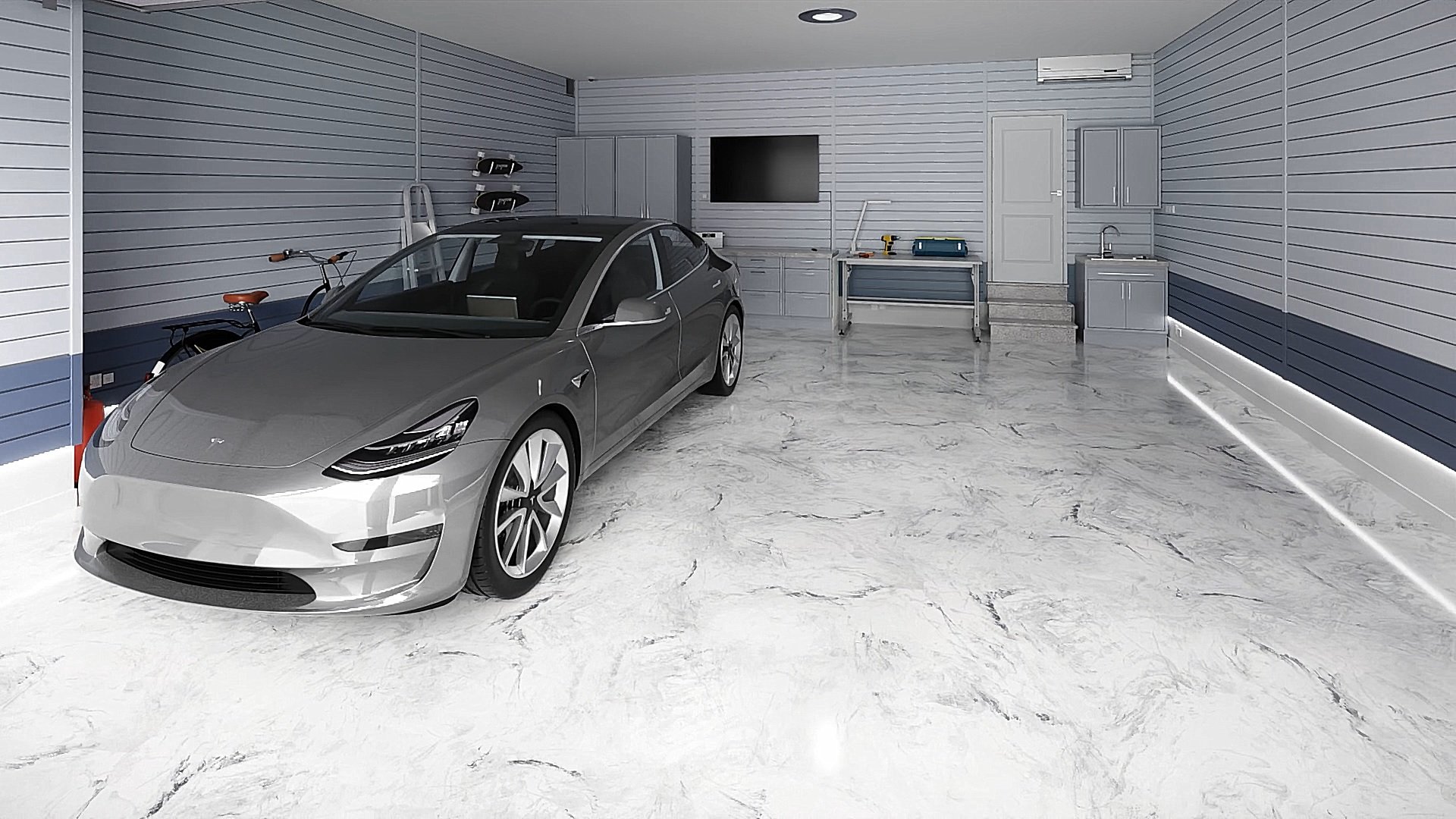
Applying the topcoat required steady nerves and careful technique, as any mistakes at this stage would be permanently sealed beneath the protective layer. I chose a high-gloss finish that would enhance the metallic effects while providing maximum durability for my high-traffic garage environment. The clear coat went on like glass, magnifying the shimmer and depth created by the metallic particles below. As I worked my way across the floor with long, overlapping strokes, I watched the surface transform into something that resembled polished marble more than a garage floor. The anticipation during the curing process tested my patience like nothing before.
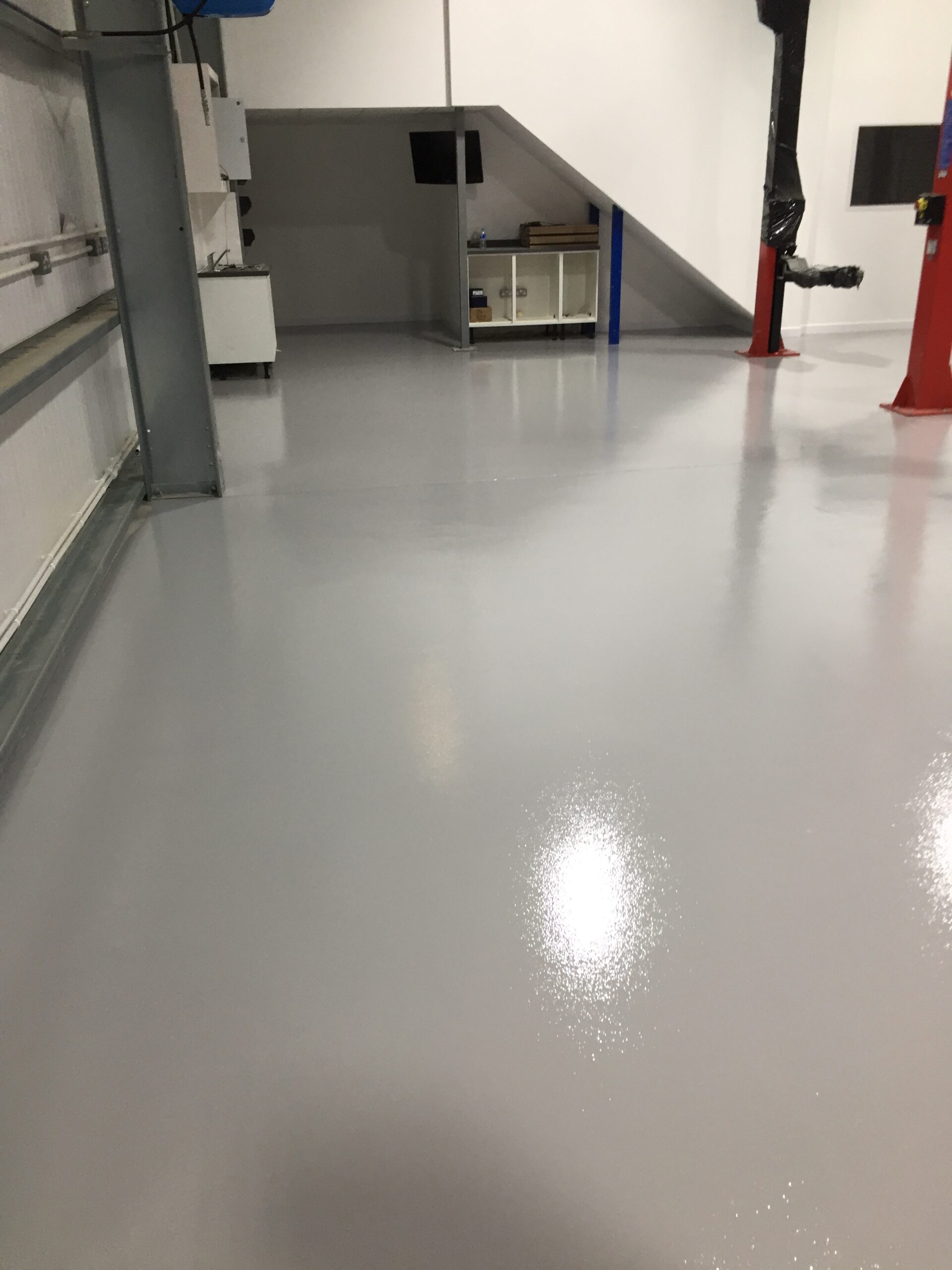
The first time I walked barefoot across my completed white metallic epoxy floor, I experienced pure satisfaction that justified every hour of preparation and application work. The surface felt perfectly smooth, almost silky beneath my feet, while the visual impact exceeded every expectation I had harbored during the planning stages. Under fluorescent lighting, the floor appeared bright and clean, but when sunlight streamed through the garage door, the metallic particles came alive with movement and sparkle. Friends who visited during the first week consistently mistook the floor for expensive stone or ceramic tile, refusing to believe it was actually epoxy over concrete.

Maintenance has proven surprisingly simple despite my initial concerns about choosing such a light color for a garage environment. Regular sweeping and occasional mopping with mild detergent keeps the surface looking pristine, while the non-porous nature prevents oil stains and other contaminants from penetrating. Small scratches from dropped tools or furniture movement remain virtually invisible thanks to the metallic particles that help camouflage minor imperfections. The glossy finish shows dust more readily than darker colors might, but quick cleaning restores the mirror-like shine that makes the space feel larger and brighter than ever before.
The durability of my white metallic epoxy floor continues to impress me after eighteen months of heavy use, including woodworking projects, automotive maintenance, and general storage activities. Hot tire marks that would have permanently stained concrete simply wipe away with minimal effort, while chemical spills that once caused panic now clean up easily. The surface shows no signs of yellowing or degradation despite exposure to UV light from windows and fluorescent fixtures. I have dropped heavy tools, dragged furniture across the surface, and subjected it to temperature extremes without observing any significant damage or wear patterns that concern me.

Winter weather provided the ultimate test for my white metallic epoxy floor, as salt, snow, and temperature fluctuations challenged the coating’s integrity in ways I had not fully considered. I worried about thermal expansion causing cracks or delamination, but the flexible nature of quality epoxy systems handled these stresses admirably. Road salt tracked in on shoes and tires created temporary white residue that cleaned away completely, leaving no permanent staining or etching. The bright white surface actually helped during darker winter months by reflecting available light and creating a more cheerful atmosphere in what had previously been a dreary space.
Looking back on this project, I realize that installing a white metallic epoxy floor required more courage than skill, but the rewards have far exceeded the initial investment of time and money. The transformation changed not just the appearance of my garage, but how I use and feel about the space entirely. What once felt like a necessary but uninspiring utility area now serves as a showpiece that I eagerly share with visitors. The decision to choose white despite practical concerns proved correct, as the stunning visual impact outweighs any minor maintenance considerations. This experience taught me that sometimes the boldest choices yield the most satisfying results.

How difficult is it to install white metallic epoxy flooring as a DIY project?
Installing metallic epoxy requires moderate skill and careful attention to detail, but most homeowners can achieve professional-looking results with proper preparation and patience. The key challenges include surface preparation, which demands grinding equipment and dust control, plus working within epoxy cure times that cannot be extended. Success depends heavily on following the manufacturer’s instructions precisely, especially regarding temperature and humidity conditions during application. While not technically complex, the project demands physical effort, time commitment, and willingness to work methodically through each step without rushing the process.
Why choose white over darker colors for metallic epoxy floors?
White metallic epoxy creates maximum light reflection and visual space expansion, making rooms appear larger and brighter than darker alternatives would achieve. The light base allows metallic particles to display their full spectrum of colors and movement, creating more dramatic visual effects than possible with dark backgrounds. White also provides a neutral foundation that complements any décor or color scheme you might choose. While showing dust more readily than darker colors, white surfaces hide many types of stains and scratches better because the metallic particles help camouflage imperfections effectively.
How long does white metallic epoxy flooring typically last?
High-quality white metallic epoxy systems properly installed over well-prepared concrete can last fifteen to twenty years or more with appropriate maintenance and care. The longevity depends primarily on surface preparation quality, epoxy grade, topcoat selection, and usage intensity. Residential applications typically outlast commercial installations due to lighter traffic patterns. UV-stable formulations resist yellowing and degradation from sunlight exposure. Regular maintenance, including prompt spill cleanup and avoiding harsh chemicals, extends service life significantly. Many installations show minimal wear after ten years when properly maintained.
What are the main maintenance requirements for white metallic epoxy floors?
Daily maintenance involves simple sweeping or dust mopping to remove debris, while weekly damp mopping with pH-neutral cleaners maintains the glossy finish appearance. Immediate cleanup of spills prevents potential staining, though properly installed epoxy resists most common household chemicals. Monthly deep cleaning with specialized epoxy floor cleaners helps maintain optimal appearance. Avoid abrasive cleaning tools, harsh chemicals, or excessive moisture that could damage the protective topcoat. Periodic reapplication of the topcoat every five to seven years refreshes the appearance and extends the floor’s life substantially.

How much does professional white metallic epoxy floor installation typically cost?
Professional installation costs range from eight to fifteen dollars per square foot, depending on surface condition, design complexity, and regional labor rates. Basic single-color applications cost less than complex multi-metallic designs requiring artistic manipulation techniques. Surface preparation represents thirty to forty percent of the total cost, making DIY preparation an option for budget-conscious homeowners. High-end installations with multiple metallic colors, custom patterns, or specialized topcoats can exceed twenty dollars per square foot. Additional costs include furniture removal, substrate repairs, and extended cure times that delay space usage.
Can white metallic epoxy be applied over existing flooring materials besides concrete?
White metallic epoxy can be applied over various substrates, including existing epoxy, VCT tile, ceramic tile, and some wood floors with proper preparation and compatible primer systems. Each substrate requires specific preparation techniques and adhesion promoters to ensure proper bonding. Concrete remains the ideal substrate due to its porosity and compatibility with epoxy chemistry. Non-porous surfaces like ceramic tile need aggressive etching or mechanical abrasion for adhesion. Always test adhesion in inconspicuous areas and consult manufacturer specifications for substrate-specific installation requirements before proceeding with full application.

What Is Metallic Epoxy Flooring Epoxy Anchorage Alaska
Metallic Epoxy Flooring at Rs 200/square feet metallic epoxy flooring service epoxy flooring

Metallic Effect Epoxy Floor – Elmer’s Waterfall Restaurant – Elite Concrete Systems

Metallic Epoxy Services – New England Surface Preparation Inc.

How Do They Do It? The Secret of Applying Metallic Epoxy Flooring
Metallic Epoxy Flooring – Waterproofing Contractor Singapore

Metallic Epoxy Flooring – Resinwerks
Related Posts: