I never imagined that concrete could become the stunning centerpiece of my home until I discovered decorative concrete flooring. What started as research for an affordable flooring solution transformed into a passionate exploration of this versatile material. Traditional hardwood seemed too expensive, and tile felt cold and uninviting. Then I stumbled upon polished concrete with its mirror-like finish that reflected light beautifully throughout my living space, creating an atmosphere I had never experienced before in residential settings.
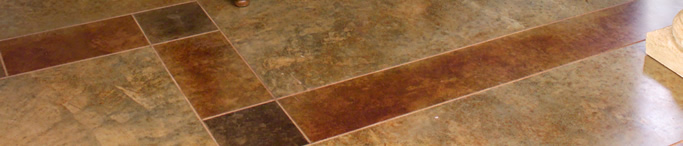
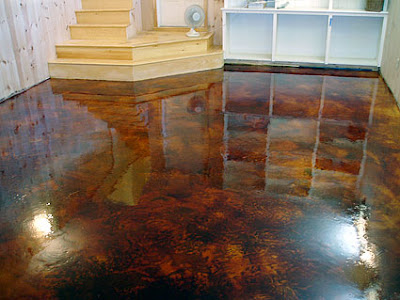
My first encounter with acid-stained concrete floors left me speechless. The chemical reaction between muriatic acid and concrete minerals creates unique, organic patterns that no two installations can replicate. I watched as the installer applied amber and copper tones to my basement floor, and within hours, the dull gray surface transformed into something resembling natural stone with rich, earthy hues that seemed to shift and dance under different lighting conditions throughout the day.

The preparation process taught me patience and attention to detail. I learned that successful decorative concrete requires meticulous surface preparation, including grinding away any existing coatings, filling cracks, and ensuring perfect levelness. My contractor spent two full days preparing my 800-square-foot space, explaining how shortcuts during this phase would compromise the final result. The sound of industrial grinders filled my home for hours, but watching the transformation unfold made every minute worthwhile.
Stamped concrete opened up possibilities I had never considered for my outdoor patio. The installer showed me dozens of texture mats that could replicate brick, stone, wood, and even exotic patterns like cobblestone or slate. I chose a ashlar slate pattern with charcoal and gray coloring that perfectly complemented my home’s exterior. The process fascinated me as workers pressed these heavy rubber mats into wet concrete, creating incredibly realistic textures that fooled even my most discerning neighbors.

Temperature and timing became crucial factors I never anticipated. My contractor explained how concrete curing happens optimally between 50 and 80 degrees Fahrenheit, and humidity levels significantly impact the final appearance. We had to postpone my project twice due to weather conditions. I learned that rushing the process could result in surface defects, color inconsistencies, or premature wear. Patience during the seven-day curing period tested my excitement, but the results justified every moment of waiting.
Maintenance surprised me with its simplicity compared to traditional flooring materials. My polished concrete floors require only regular sweeping and occasional mopping with pH-neutral cleaners. Unlike hardwood that needs refinishing or carpet that harbors allergens, my decorative concrete maintains its appearance with minimal effort. I apply a penetrating sealer annually to protect against stains and moisture, a process that takes just one weekend and costs significantly less than maintaining other premium flooring options.

The cost-effectiveness became apparent as my project progressed. Basic polished concrete cost me approximately $3 per square foot, while decorative techniques like staining and stamping added $2-5 more per square foot. Comparing this to hardwood at $8-15 per square foot or natural stone at $10-20 per square foot, decorative concrete provided luxury aesthetics at a fraction of the price. The longevity factor makes it even more economical, as properly installed decorative concrete can last decades with minimal maintenance requirements.
Environmental benefits aligned perfectly with my sustainability goals. Concrete utilizes locally sourced materials, reducing transportation emissions, and its thermal mass properties help regulate indoor temperatures naturally. My energy bills decreased noticeably after installation because the concrete absorbs heat during the day and releases it slowly at night. Additionally, the durability means fewer replacements over time, reducing waste and resource consumption compared to materials that require frequent updating or replacement.

Design versatility continues to amaze me years after installation. I have integrated radiant heating systems beneath my concrete floors, creating comfortable warmth during winter months. The surface accepts various decorative techniques including saw-cut patterns, embedded aggregates, and even custom logos or designs. My kitchen features exposed aggregate concrete with recycled glass pieces that sparkle under pendant lights, creating a unique focal point that guests always notice and compliment.
Living with decorative concrete floors has exceeded my expectations in every aspect. The durability withstands heavy foot traffic, pet claws, and furniture movement without showing wear. The aesthetic appeal continues to impress visitors who often mistake it for expensive natural materials. Most importantly, this flooring choice reflects my personality and lifestyle while providing practical benefits that enhance my daily living experience. I enthusiastically recommend decorative concrete to anyone seeking beautiful, durable, and cost-effective flooring solutions.

How long does decorative concrete flooring installation typically take?
Installation timelines vary based on project complexity and size, but most residential projects require 5-7 days from start to finish. Surface preparation takes 1-2 days, concrete pouring and initial setup require another day, and decorative treatments add 1-2 additional days. The curing process extends another 7 days before full use. Weather conditions can extend timelines, and complex patterns or multiple colors may require additional time for proper execution and quality results.
Can decorative concrete be installed over existing floors?
Yes, decorative concrete overlays can be applied over existing concrete, tile, or wood surfaces in many situations. The existing surface must be structurally sound and properly prepared through grinding, cleaning, and priming. Overlay thickness typically ranges from 1/4 inch to 1 inch, depending on the desired finish. However, some surfaces may require complete removal for optimal results, and height restrictions might limit overlay applications in certain spaces.

What are the slip resistance properties of decorative concrete floors?
Slip resistance depends on the specific finish and texture applied to the concrete surface. Polished concrete can be slippery when wet, but anti-slip additives can be incorporated during sealing. Stamped and textured surfaces generally provide better traction due to their irregular patterns. Broom finishes offer excellent slip resistance for outdoor applications. Professional contractors can recommend appropriate texturing techniques based on the intended use and safety requirements for each specific location.
How do decorative concrete floors perform in extreme weather conditions?
Properly installed decorative concrete performs excellently in various weather conditions when appropriate techniques are used. Freeze-thaw cycles require proper air entrainment and adequate drainage to prevent cracking. Hot climates benefit from light colors and reflective sealers to reduce heat absorption. Expansion joints accommodate thermal movement, and quality sealers protect against moisture infiltration. Indoor applications remain largely unaffected by weather, while outdoor installations require climate-appropriate preparation and materials.

What maintenance schedule should I follow for decorative concrete floors?
Daily maintenance involves sweeping or dust mopping to remove debris and prevent surface scratching. Weekly cleaning with pH-neutral cleaners maintains appearance and removes accumulated dirt. Monthly inspections help identify potential issues before they become major problems. Annual sealer application protects the surface and enhances appearance, while comprehensive cleaning and resealing every 2-3 years ensures long-term durability and maintains the decorative finish quality.
Are there any limitations or drawbacks to decorative concrete flooring?
Decorative concrete has some limitations, including potential cracking over time, especially in areas with soil movement or settling. The surface can be hard and cold, though radiant heating systems address comfort concerns. Color variations may occur due to concrete composition or application techniques. Repairs can be challenging to match exactly with the surrounding areas. Additionally, some decorative techniques cannot be easily modified once installed, requiring careful initial planning and design consideration for future needs.

Concrete Overlays- Fixing and Covering Existing Concrete Floors
The Pros And Cons Of Concrete Flooring Concrete floor and Concrete

home improvement design
Related Posts: